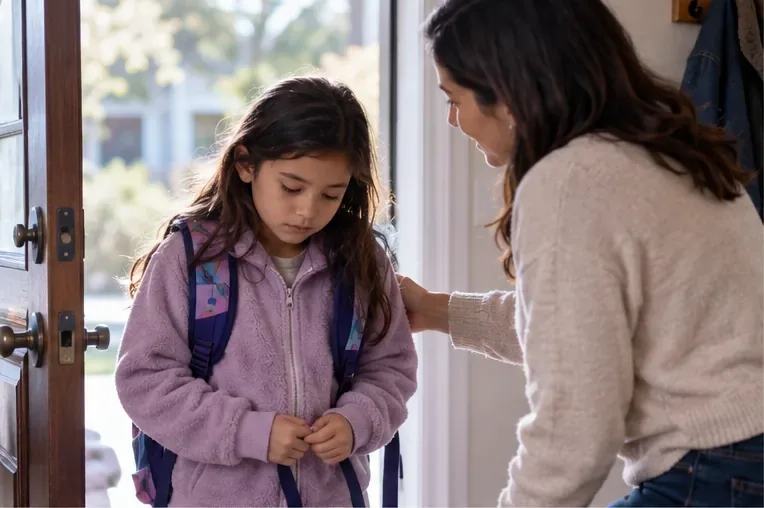
How to Teach Chores Without Redoing Every Task for Your Child

Teach kids to do chores with fewer reminders: set a clear finish line, model one task, step back, and correct only what is unsafe or unfinished.

Vomiting is a very common condition. There are many causes of vomiting in children. So, what are the reasons? Let's find out!
Vomiting is a common symptom in young children. Vomiting is often caused by a disorder. So, what is that disorder?
Parents should know how to distinguish vomiting from vomiting. Babies often experience a small amount of reflux when fed or immediately after eating, especially when belching. Vomiting can occur from a mother feeding a baby quickly, eating a lot or swallowing gas, but sometimes there is no specific cause.
Vomiting is often caused by a disorder. Experienced parents often distinguish between vomiting and vomiting, but parents who meet for the first time should seek advice from a doctor.
During the first few months of life, vomiting can be linked to problems with overfeeding. A less common cause is an allergy to a protein in breast milk or formula.
A stuffy nose or a respiratory infection, like a cold, can lead to vomiting, especially a sudden cough. Bowel disease is another common cause of vomiting. If bacteria or virus attacks the lining of your baby's stomach or intestines, your baby may experience symptoms like diarrhea, loss of appetite, stomach pain and fever.
Vomiting usually goes away within 12–24 hours. Urinary tract infections, pharyngitis , pneumonia, meningitis, and even ear infections can also cause nausea and vomiting.
A prolonged crying spell can provoke the oropharyngeal reflex and induce vomiting. Although this worries parents, vomiting during a crying episode will not harm the baby's body.
Some small children are prone to motion sickness. If your family has to travel by car every day, this may be an issue you need to consider. This is due to a disconnection between what your baby sees and what she feels through motion sensors in the body like the inner ear and some nerves.
Babies can vomit if they swallow harmful things like drugs, plants or chemicals. Besides, food poisoning or contaminated drinking water is also the cause.
Sudden and prolonged vomiting can be a symptom of rare bowel- related illnesses , such as intussusception (when part of the intestine is inserted into the next passage) or Hirschsprung disease (obstruction due to poor movement. of the intestinal muscles). A bowel obstruction can lead to a weakened gut, dehydration and other health problems, and often requires prompt medical and surgical intervention.
This rare condition usually progresses in the first few weeks of your baby's age. Babies with pyloric stenosis are vomiting because the muscles of the stomach connecting the intestines are too thick to pass through. This often causes severe vomiting. If your baby has this condition, take him to the doctor as soon as possible. Pyloric stenosis can be treated with surgery.
Hope this article has provided you with lots of useful information. Wish your baby is no longer vomiting!
Teach kids to do chores with fewer reminders: set a clear finish line, model one task, step back, and correct only what is unsafe or unfinished.
Learn why toilet-trained children may start having pee or poop accidents again, what patterns to track, how to respond calmly, and when to call the pediatrician.
A child may repeat a reassurance question to process information, seek connection, or manage worry. Learn how to respond and when persistent anxiety needs support.
Learn how to set screen-time boundaries with predictable routines, warnings, calm follow-through, and better transitions—without turning every device handoff into a fight.
Teach children to handle losing without shame or explosive anger by validating feelings, setting behavior limits, modeling recovery, and practicing at the right difficulty.
A calm, practical plan for after-school meltdowns: reduce overload, keep limits clear, track patterns, coordinate with school, and know when to seek help.
Learn how to respond when a child feels unwanted, ask supportive questions, recognize bullying or ongoing distress, and know when to seek extra help.
Learn how to set up a shared bedroom for siblings with different bedtimes, from planning around age-based sleep needs to creating separate sleep spaces and quiet routines.
Compare full-day, gradual, and temporary at-home return plans, plus health checks and school supports that can help a child reenter safely.
Learn when a child can try to solve a friendship problem, when adults should step in, and how to tell whether support is helping or needs to change.