How to Teach Chores Without Redoing Every Task for Your Child

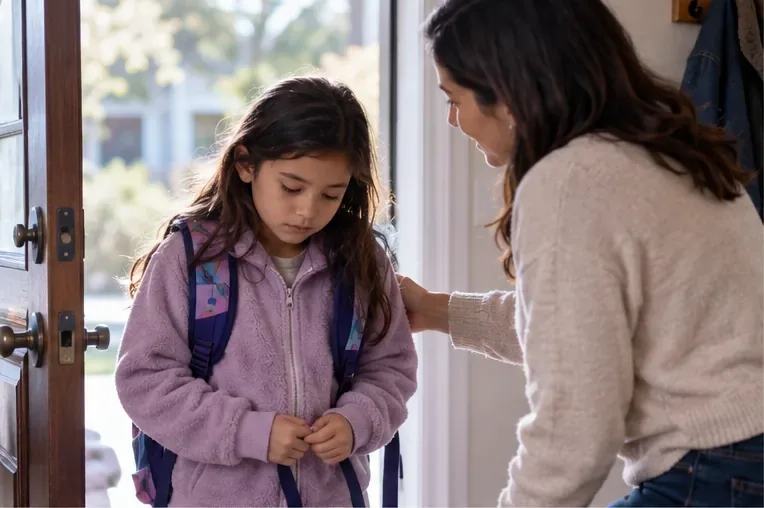
Teach kids to do chores with fewer reminders: set a clear finish line, model one task, step back, and correct only what is unsafe or unfinished.

Babies snoring seems like a normal phenomenon, but it can affect the baby's health in a long time if parents do not care properly.
Hearing the noises coming from her cute little mouth makes parents feel funny because they think that babies snore as well. However, these sounds become a sign of a serious health problem, causing a negative impact on a child's development.
There are many reasons why toddlers snore while sleeping , such as tonsillitis or adenoids. Nasal congestion caused by allergies, dislocated septum or upper respiratory tract infection are also causes of snoring. Other factors such as being overweight or other facial abnormalities, including a cleft palate or a short chin, all contribute to the sound of sleep.
If your child snore from time to time, breathing through his mouth and wheezing or caused by a stuffy nose caused by allergies, this can be considered a normal phenomenon. Regular snoring is also not considered a concern and this will quickly disappear once your baby enters the next stage of sleep .
Snoring too big, snoring when sleeping more than 3 days a week or happening sleep apnea are considered abnormal respiratory state. If you struggle to breathe or breathe quickly, your child may develop sleep apnea . This is a serious disorder that should be diagnosed and treated as soon as possible by a doctor. This can contribute to drowsiness during the day, discomfort or irritability, and behavioral problems.
When your baby has a cold or stuffy nose, you can use a steam or air humidifier to make breathing easier. In the event that your child has an allergy to pet hair, limit the pet's entry to the common family areas.
In addition, if snoring has become a habit, occurring more than 3 times a week, you should take your child to the clinic to check if he or she has sleep apnea. Treatments for this include surgery to clear the airways, removing obstacles that block the respiratory system.
Teach kids to do chores with fewer reminders: set a clear finish line, model one task, step back, and correct only what is unsafe or unfinished.
Learn why toilet-trained children may start having pee or poop accidents again, what patterns to track, how to respond calmly, and when to call the pediatrician.
A child may repeat a reassurance question to process information, seek connection, or manage worry. Learn how to respond and when persistent anxiety needs support.
Learn how to set screen-time boundaries with predictable routines, warnings, calm follow-through, and better transitions—without turning every device handoff into a fight.
Teach children to handle losing without shame or explosive anger by validating feelings, setting behavior limits, modeling recovery, and practicing at the right difficulty.
A calm, practical plan for after-school meltdowns: reduce overload, keep limits clear, track patterns, coordinate with school, and know when to seek help.
Learn how to respond when a child feels unwanted, ask supportive questions, recognize bullying or ongoing distress, and know when to seek extra help.
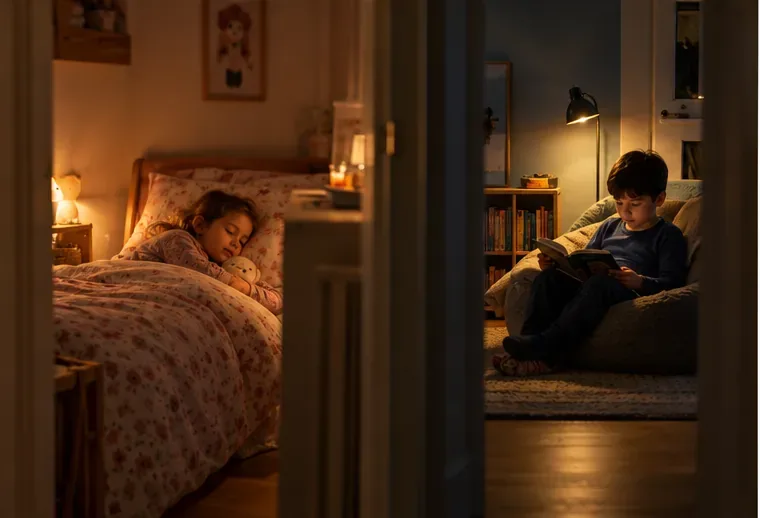
Learn how to set up a shared bedroom for siblings with different bedtimes, from planning around age-based sleep needs to creating separate sleep spaces and quiet routines.
Compare full-day, gradual, and temporary at-home return plans, plus health checks and school supports that can help a child reenter safely.
Learn when a child can try to solve a friendship problem, when adults should step in, and how to tell whether support is helping or needs to change.