How to Teach Chores Without Redoing Every Task for Your Child

Teach kids to do chores with fewer reminders: set a clear finish line, model one task, step back, and correct only what is unsafe or unfinished.
Bipolar disorder in young children is a mental illness characterized by intense mood swings, which in turn affect a baby's behavior.
All children experience frequent mood swings that are a normal part of a baby's development. However, if your baby shows signs of over-euphoria and then suddenly becomes quiet continuously for a long time, this may indicate that the baby is having bipolar disorder .
Symptoms of bipolar disorder are primarily focused on mood, reflecting major changes in the child's behavior, including a mix of manic and depressive states, such as:
Get a little sleep, but don't feel tired
Say a lot of things at once
Easily distracted
Not often cheerful or looking a bit dull for age
Perform actions that are too reckless for your age or ability
Often angry outbursts
Without reason to cry, sad, feel hopeless
Has no interest in things I've liked before
Often complained of headaches and stomach aches
Anxiety disorders.

Bipolar disorder must be diagnosed by a medical professional after performing the necessary assessment. The assessment includes an interview with parents or those who regularly care for the baby, observing how the child works, and meeting face-to-face to learn more.
In young children, doctors will be very careful to distinguish between bipolar disorder and depressive disorder. Children with depressive disorders suffer from the discomfort and anger that comes from themselves over a long period of time. Children with bipolar disorder (mania and depression) will sometimes overexpress the feelings of excitement, joy, excitement, and sometimes depression, boredom, indifference.
To treat a baby's bipolar disorder, your baby may need a combination of medication and psychotherapy.
There are a number of different prescription medications that can help your baby manage its symptoms. Children should be given the lowest dose and minimum amount of medicine. In addition, your baby will need to try a few drugs and dosages before finding the right treatment.
It is also important to keep in mind that it is important to let your doctor know about side effects and never stop taking the medication abruptly as this could be dangerous.
Psychotherapy is often used in combination with drugs and not only for children but also for parents, because it can help parents understand what their child is going through, thereby helping to bond their children with family.
Teach kids to do chores with fewer reminders: set a clear finish line, model one task, step back, and correct only what is unsafe or unfinished.
Learn why toilet-trained children may start having pee or poop accidents again, what patterns to track, how to respond calmly, and when to call the pediatrician.
A child may repeat a reassurance question to process information, seek connection, or manage worry. Learn how to respond and when persistent anxiety needs support.
Learn how to set screen-time boundaries with predictable routines, warnings, calm follow-through, and better transitions—without turning every device handoff into a fight.
Teach children to handle losing without shame or explosive anger by validating feelings, setting behavior limits, modeling recovery, and practicing at the right difficulty.
A calm, practical plan for after-school meltdowns: reduce overload, keep limits clear, track patterns, coordinate with school, and know when to seek help.
Learn how to respond when a child feels unwanted, ask supportive questions, recognize bullying or ongoing distress, and know when to seek extra help.
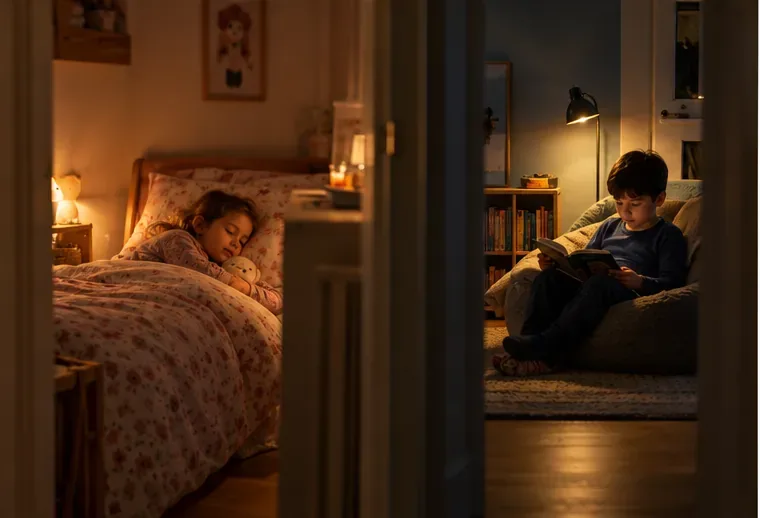
Learn how to set up a shared bedroom for siblings with different bedtimes, from planning around age-based sleep needs to creating separate sleep spaces and quiet routines.
Compare full-day, gradual, and temporary at-home return plans, plus health checks and school supports that can help a child reenter safely.
Learn when a child can try to solve a friendship problem, when adults should step in, and how to tell whether support is helping or needs to change.