How to Teach Chores Without Redoing Every Task for Your Child
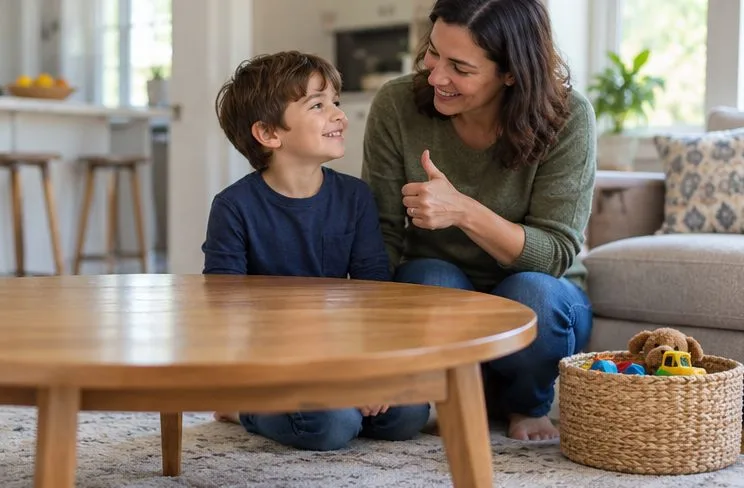
Teach kids to do chores with fewer reminders: set a clear finish line, model one task, step back, and correct only what is unsafe or unfinished.
For young children, diarrhea is a dangerous disease that can be harmful to health, even death. Therefore, how to prevent diarrhea in children, especially in the summer, is always a problem for many parents.
Diarrhea is a condition in which your baby has completely loose stools with a lot and more times than usual. Diarrhea is classified into 2 main categories: acute diarrhea and chronic diarrhea, in which most children have acute diarrhea. In addition to loose stools, a child with diarrhea may also have additional symptoms such as:
Fever
Anorexia
Lost weight
Nausea
Vomiting
There are many causes of diarrhea but the most common are infections caused by viruses, bacteria or parasites such as rotavirus, Salmonella. In addition, some children with diarrhea can also be due to food allergies , food intolerances or diet unsuitable for their age.
If not treated in time, the disease can have a big impact on the health of young children. One of the biggest threats diarrhea poses is dehydration. When dehydrated, the baby's body will weaken, leading to fatigue, crying, loss of appetite, even if serious, it can lead to death. Not only that, diarrhea also disrupts substances in the body and affects the function of organs.
More dangerous, acute diarrhea, if not treated properly, can also cause digestive disorders, leading to malnutrition and immunodeficiency . Some cases of diarrhea caused by bacterial infections can also lead to sepsis, treatment is difficult and can be fatal. These are all dangerous complications that no parent wants their baby to have. Therefore, you should learn some ways to prevent diarrhea in children to help children have a better digestive system.
Diarrhea is a very common disease that almost every child gets at least once a year. There are a few tips to try, however, to limit your child's risk of diarrhea:
For babies, you should breastfeed for at least the first 6 months of life. Breast milk is sterile and never causes diarrhea. Not only that, but breast milk also contains antibodies, which help fight bacteria and prevent diarrhea.
For older children, you should pay attention to feeding them lots of green vegetables, fruits, and nutritious foods to enhance their resistance and avoid the risk of infection. In addition, you should also feed your child a variety of healthy foods such as yogurt, oatmeal ... to balance intestinal microflora and strengthen the immune system.

To prevent diarrhea, you need to give your child all vaccinations included in the vaccination program, especially the vaccine against diarrhea caused by rotavirus. Because rotavirus is one of the most common culprits of diarrhea in children. This virus causes intestinal problems and quickly dehydrates children.
Intestinal infections can also be caused by contaminated food, unhygienic, and contaminated water. Therefore, the best practice is to keep the hygiene in food and personal hygiene:
Make sure children wash their hands well and often with antibacterial soap, especially after using the toilet and before eating. This is the most effective way to prevent diarrhea from spreading because dirty hands can carry germs into the body when children bite their nails, suck their fingers ...
Keep the bathroom clean
Wash and process fruits and vegetables thoroughly before feeding them
Wash kitchen counters and cookware thoroughly after handling raw meat, especially poultry
Refrigerate meat as soon as possible after buying it from the store and prepare it well before feeding your baby
Do not let children drink water that has not been boiled.
In addition to the above measures, another simple secret to prevent diarrhea that you should do is find ways to strengthen and strengthen your baby's skin resistance . Because skin resistance is an important component of the immune system, it is the first and strong armor that protects the body from attack by harmful agents, especially pathogenic bacteria. Skin resistance consists of 3 main barrier layers:
Physical barrier: Including keratin fibers of keratinocytes closely linked together, helping to resist the corrosion of protein-digesting enzymes secreted by bacteria.
Chemical barrier: Contains antimicrobial agents such as antimicrobial peptides (AMPs), antimicrobial lipids (AMLs) produced by the sebaceous glands and keratinocytes, which inhibit certain types of bacteria and facilitate the innate immune cells in the skin function optimally.
Biological barrier: A balanced microflora permanently residing on the skin. They fight off pathogenic bacteria by activating the immune system and secreting substances to inhibit the settlement and growth of harmful strains of microorganisms.
Skin resistance helps prevent pathogenic bacteria from entering the body. To enhance the function of skin resistance, you should build a routine of regular and proper body hygiene for your child. In addition to washing their hands before eating and after using the toilet, children need to be bathed and cared for with the right skin care products and proven not to break the resistant structure. skin to clean dirt, limit the growth of pathogenic bacteria.
Teach kids to do chores with fewer reminders: set a clear finish line, model one task, step back, and correct only what is unsafe or unfinished.
Learn why toilet-trained children may start having pee or poop accidents again, what patterns to track, how to respond calmly, and when to call the pediatrician.
A child may repeat a reassurance question to process information, seek connection, or manage worry. Learn how to respond and when persistent anxiety needs support.
Learn how to set screen-time boundaries with predictable routines, warnings, calm follow-through, and better transitions—without turning every device handoff into a fight.
Teach children to handle losing without shame or explosive anger by validating feelings, setting behavior limits, modeling recovery, and practicing at the right difficulty.
A calm, practical plan for after-school meltdowns: reduce overload, keep limits clear, track patterns, coordinate with school, and know when to seek help.
Learn how to respond when a child feels unwanted, ask supportive questions, recognize bullying or ongoing distress, and know when to seek extra help.
Learn how to set up a shared bedroom for siblings with different bedtimes, from planning around age-based sleep needs to creating separate sleep spaces and quiet routines.
Compare full-day, gradual, and temporary at-home return plans, plus health checks and school supports that can help a child reenter safely.
Learn when a child can try to solve a friendship problem, when adults should step in, and how to tell whether support is helping or needs to change.