How to Teach Chores Without Redoing Every Task for Your Child

Teach kids to do chores with fewer reminders: set a clear finish line, model one task, step back, and correct only what is unsafe or unfinished.
The World Health Organization (WHO) said that many products for children under 6 months old have a sugar content of up to 30% of total calories.
WHO also warns parents that high amounts of sugar in baby foods can lead to serious problems such as obesity and diabetes in the future.
In 2013, the World Health Organization developed a draft nutrition profile model for children aged 6 to 36 months. This draft is intended to help governments make decisions about eliminating foods that are not suitable for children of each age.
The nutritional profile model primarily establishes norms that classify foods into two main categories, based on their nutritional content.

Accordingly, WHO officials have also collected nutritional data in children's food and beverages in malls and retail facilities.
They used data from nearly 8,000 products available in major European cities such as Vienna and Budapest. In which, up to 28-60% of the food specified on the package is for children under 6 months old. What's alarming is that the majority of products tested have up to 30% of the calories coming from sugar.
WHO officials further noted that the sale of foods high in sugar for infants has been authorized under European Union law. However, it is not recognized under the International Marketing Rules for Breastmilk Substitutes (established in 1981).
"Food for weaning infants and newborns are expected to adhere to the recommendations on nutrition and various components. However, there are many products that make us worry about too much sugar in baby foods, ”said João Breda, PhD, WHO's head of the European Office for Disease Prevention and Control. Not contagious said in a press release.
Although WHO further recommends that children under 6 months of age should be fed breast milk but it is not feasible for all cases. Therefore, many parents often use supplements to meet their baby's nutritional needs.
The survey also pointed out some foods that parents should not feed their infants: canned juices, smoothies, yogurts, and desserts.
Experts warn that parents should not ignore information about the amount of sugar in food. This is because they can cause a child to become addicted to sweets in the future.

In 2010, researchers at the University of Calgary (Canada) found more than half of the food sold to babies and toddlers 20% of calories come from sugar.
Following that, a 2015 study at the Icahn School of Medicine in Mount Sinai (New York) and the Keck School of Medicine, University of Southern California showed that 74% of the formula sampled baby food (including canned foods). , yogurt ) 20% or more of calories from added sugar.
Another 2015 study published by the American Academy of Pediatrics found that 35 of the 79 grains and fruits sampled for infants, contained 35% sugar over total calories.
Nutrition experts recommend mothers to find single-ingredient foods for babies, especially babies under 6 months old .
Sarah Rueven - a nutritionist, owner of Rooted Health said that baby taste preferences are formed and strengthened in the first year of life. Therefore, she also advises parents to use single-ingredient foods for their children.

According to the Mayo Clinic , parents avoid combining processed foods with fruits or vegetables. This may cause your child to think that a vegetable is only delicious when it tastes sweet.
Rueven said baby food contains a lot of sugar can make children addicted to sweets for life. "A preference for sweets can lead to obesity, diabetes and other lifestyle diseases," she said.
`` Regulators of the food industry need to change what they are licensed for in the marketing of baby food and beverages, '' said Lisa Richards, a dietitian and founder of Candida Diet .
Lisa also notes that there are still steps parents can take to help limit the amount of sugar their kids consume. Specifically, she said: "Parents should learn by themselves about nutritional standards for children and choose the freshest, closest to primitive foods".
The amount of sugar in weaning foods needs to be controlled more closely. This is something that governments need to do quickly to reduce child obesity.
Teach kids to do chores with fewer reminders: set a clear finish line, model one task, step back, and correct only what is unsafe or unfinished.
Learn why toilet-trained children may start having pee or poop accidents again, what patterns to track, how to respond calmly, and when to call the pediatrician.
A child may repeat a reassurance question to process information, seek connection, or manage worry. Learn how to respond and when persistent anxiety needs support.
Learn how to set screen-time boundaries with predictable routines, warnings, calm follow-through, and better transitions—without turning every device handoff into a fight.
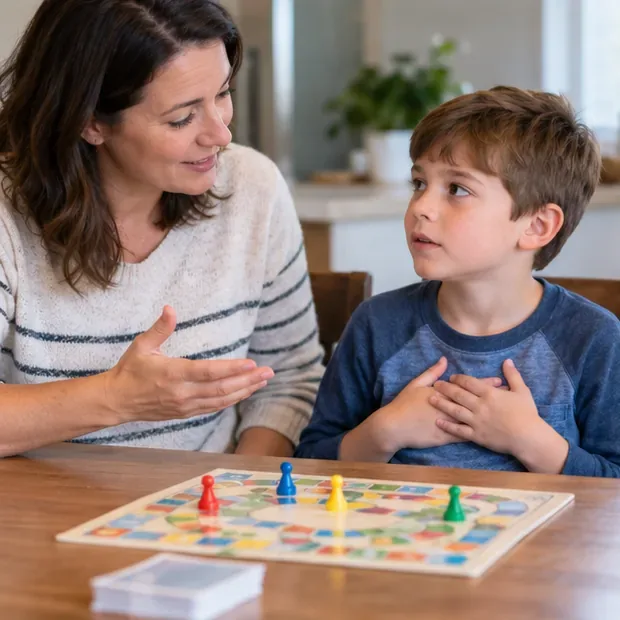
Teach children to handle losing without shame or explosive anger by validating feelings, setting behavior limits, modeling recovery, and practicing at the right difficulty.
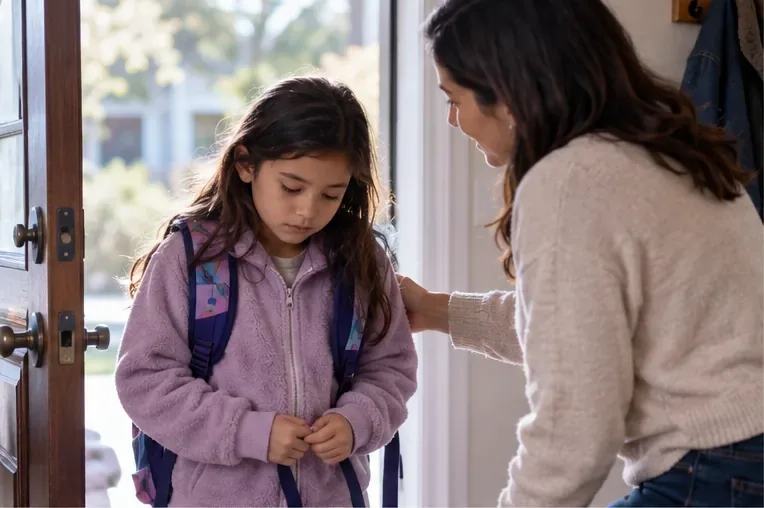
A calm, practical plan for after-school meltdowns: reduce overload, keep limits clear, track patterns, coordinate with school, and know when to seek help.
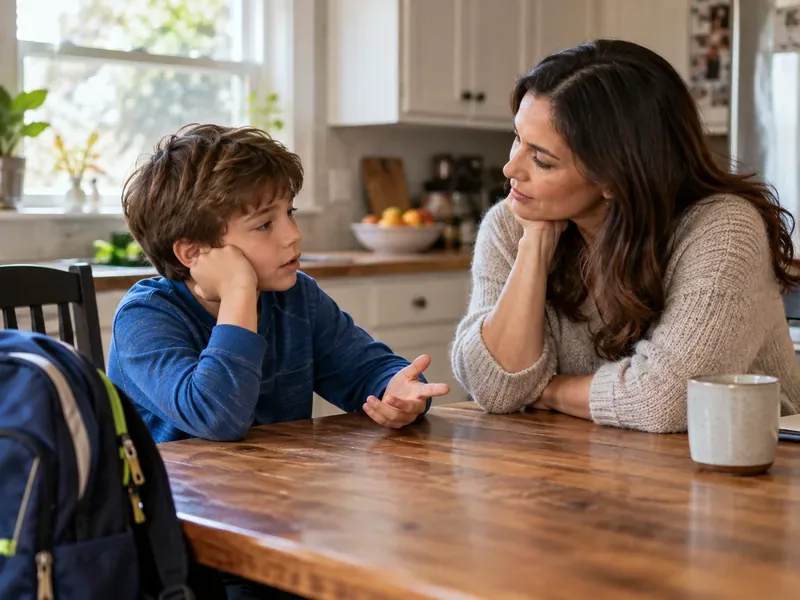
Learn how to respond when a child feels unwanted, ask supportive questions, recognize bullying or ongoing distress, and know when to seek extra help.
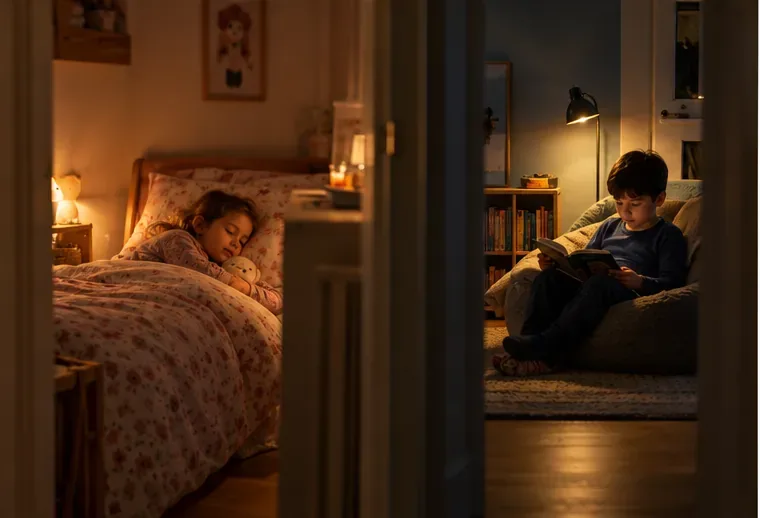
Learn how to set up a shared bedroom for siblings with different bedtimes, from planning around age-based sleep needs to creating separate sleep spaces and quiet routines.
Compare full-day, gradual, and temporary at-home return plans, plus health checks and school supports that can help a child reenter safely.
Learn when a child can try to solve a friendship problem, when adults should step in, and how to tell whether support is helping or needs to change.