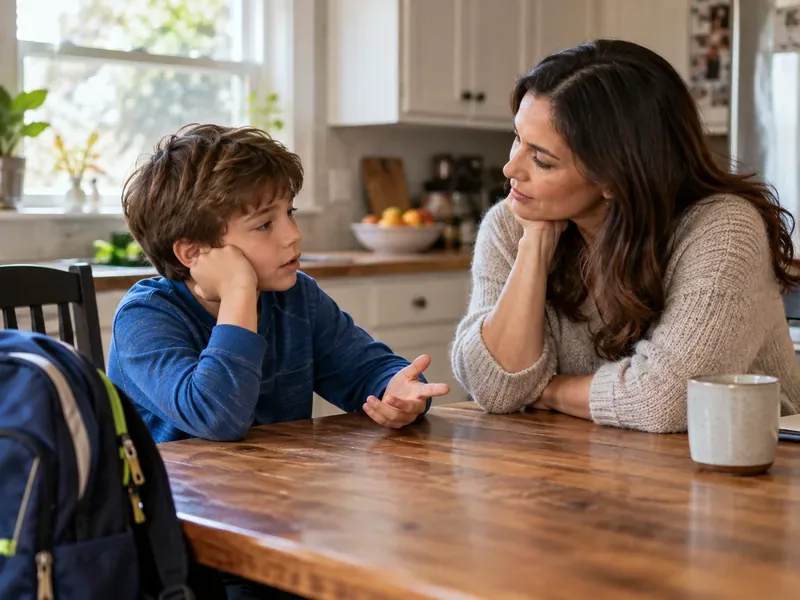
How to Teach Chores Without Redoing Every Task for Your Child
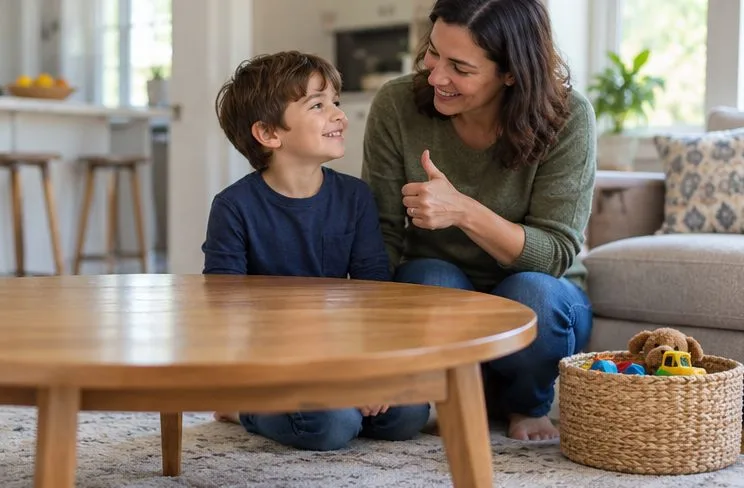
Teach kids to do chores with fewer reminders: set a clear finish line, model one task, step back, and correct only what is unsafe or unfinished.
Keeping a pet indoors will make everyone more happy, especially young children. However, you should not ignore a few caveats before bringing your pet.
Pets are a good friend for children. Keeping a pet indoors can be a lot of fun for you and your baby. Before deciding to keep an animal, you should learn more about it. In addition, taking care of a pet can be time consuming and costly. Therefore, it is better to think carefully, not by feeling the momentary.
Many studies show that caring for a pet can help young children understand many useful lessons:
Children can understand the responsibility and joy of caring for pets outside of themselves
Pets help children explore the natural world and help them understand what animals mean for their environment
Sharing and playing with pets can help your child become more attentive to other people's feelings
Pets help children have a beautiful friendship
Pets can help children relax
Pets can help children learn to express their emotions
Pets help children learn to share with family.

Young children may love their 4-legged friend very much but will not know how to take care of them if you do not guide them. So, teach your kids to take care of pets by:
Teach your child to gently touch the pet and know when not to be in contact (when he is scared or angry).
When children are old enough, encourage them to participate in activities to take care of pets such as walking the dog, feeding pets ...
Teach children not to let pets lick their faces and wash their hands before eating if playing with pets.
If you have babies and pets in your home, here are some rules to follow:
Never leave a baby's crib or mattress near a cat or any other pet.
Never leave a baby or toddler alone with a pet. Toddlers can make pets uncomfortable and they may bite them back.
Teach children not to share food with pets.
If you are pregnant, think again about keeping a pet. Better yet, you should wait for your family to settle down and think about this.
If you have a pet and you are pregnant, be careful when disposing of cat waste or other pet poop. Wear gloves when doing this to reduce the risk of a toxoplasmosis infection that can affect the health of the unborn baby.

Also, try to take your dog for a gentle walk. This will make walking fun, not a struggle anymore. Train your dog not to jump up or bark. Ideally, you should teach your dog restricted areas of the house such as the baby's room or the kitchen before the baby is born. Take your dog to exercise regularly to avoid getting bored. When this is the case, your dog can cause problems, especially if he is used to an active lifestyle.
Think about how you will take care of your pet when your baby is born. Animals are very sensitive to changes in the family. They can understand human body language to know what's going on.
Children can experience health problems from pets such as hookworms, fleas, and chickenpox. This can cause liver problems. Here are some ways to reduce the risk of having pets in the house:
Worm book for cats every 2 to 6 months, every 3 months with hydatids
Use a flea soap to make sure your pet stays clean
Give your pet cooked food (do not give raw food)
Do not let your dog roam the streets
Wash your hands after touching animals and keep the plates of animal food in a separate place
Clean the pet's cage 1 time / week
Keep your pet away from your baby's bedroom
Do not let your pet lick your baby's face.
If your pet is sick, take them to the vet. Your doctor will tell you what illness your pet is having and whether it can infect young children. Most serious infections in pets are not transmitted to humans.
Status allergic pet is quite common. Children may be irritated by the sebaceous glands in cat skin or the dog's saliva. Even if you stop keeping these animals, the allergens can stay in your home for up to 6 months. If your baby is allergic to animals, chances are you will have to find a new home for your pet.
Teach kids to do chores with fewer reminders: set a clear finish line, model one task, step back, and correct only what is unsafe or unfinished.
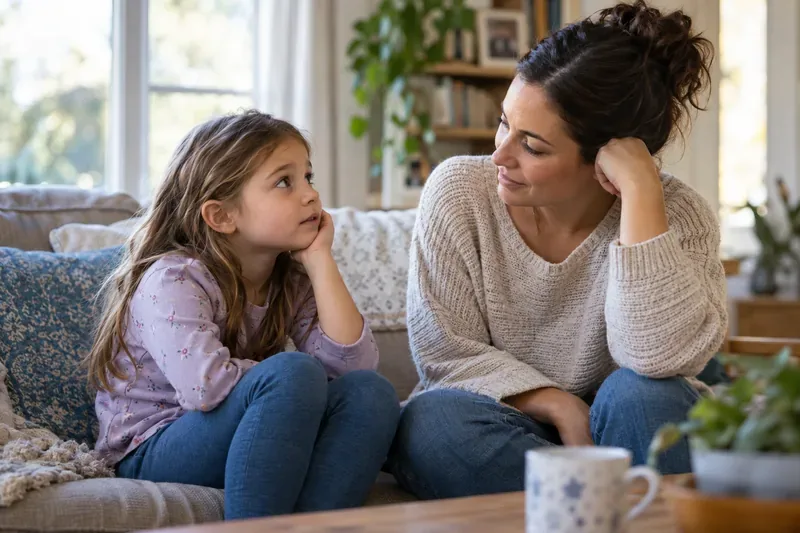
Learn why toilet-trained children may start having pee or poop accidents again, what patterns to track, how to respond calmly, and when to call the pediatrician.
A child may repeat a reassurance question to process information, seek connection, or manage worry. Learn how to respond and when persistent anxiety needs support.
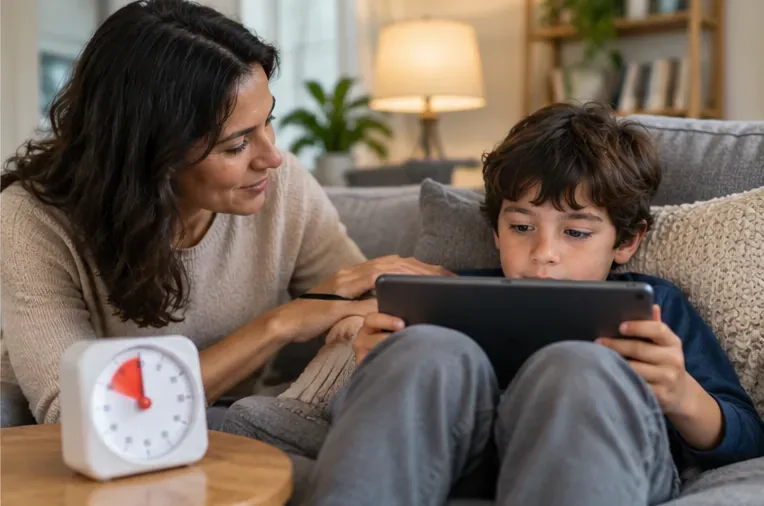
Learn how to set screen-time boundaries with predictable routines, warnings, calm follow-through, and better transitions—without turning every device handoff into a fight.
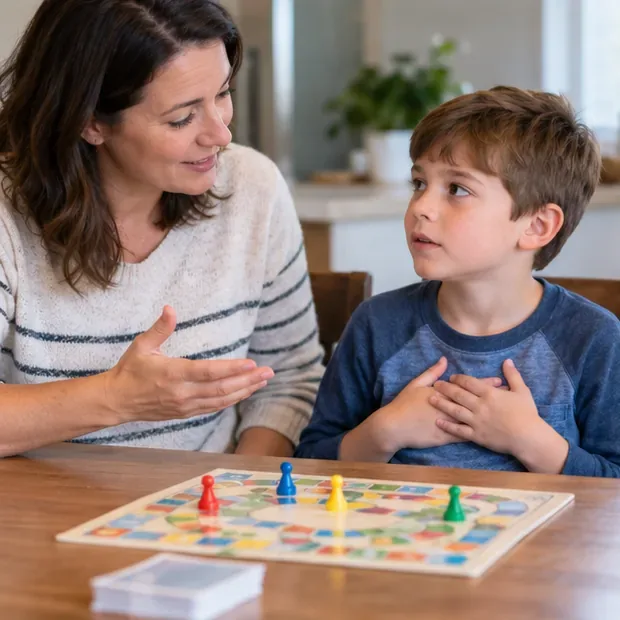
Teach children to handle losing without shame or explosive anger by validating feelings, setting behavior limits, modeling recovery, and practicing at the right difficulty.
A calm, practical plan for after-school meltdowns: reduce overload, keep limits clear, track patterns, coordinate with school, and know when to seek help.
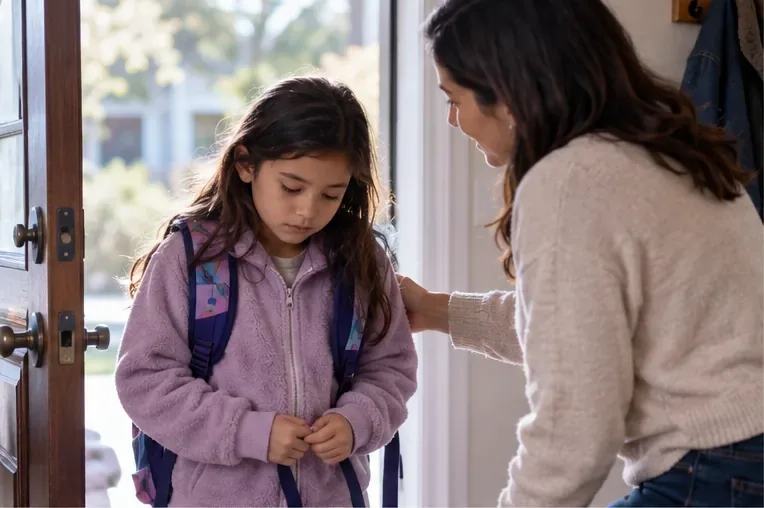
Learn how to respond when a child feels unwanted, ask supportive questions, recognize bullying or ongoing distress, and know when to seek extra help.
Learn how to set up a shared bedroom for siblings with different bedtimes, from planning around age-based sleep needs to creating separate sleep spaces and quiet routines.
Compare full-day, gradual, and temporary at-home return plans, plus health checks and school supports that can help a child reenter safely.
Learn when a child can try to solve a friendship problem, when adults should step in, and how to tell whether support is helping or needs to change.