How to Teach Chores Without Redoing Every Task for Your Child
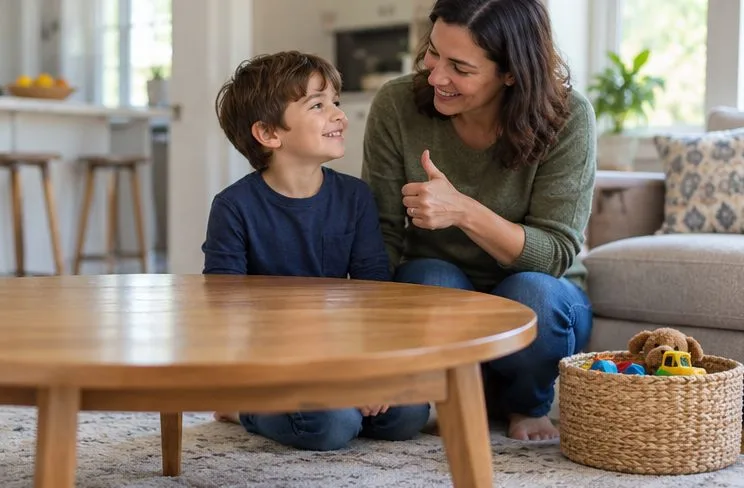
Teach kids to do chores with fewer reminders: set a clear finish line, model one task, step back, and correct only what is unsafe or unfinished.

Unlike adults, mental illness in children is difficult to detect because its symptoms are not as typical as in adults.
Occasionally, you will notice some abnormalities in your child, but it can be difficult to distinguish those behaviors from normal ones. The better parents understand their children, the more opportunities they will find appropriate treatment for their child. This will help ensure normal growth and development for the children. Here are 6 warning signs of mental illness in children that you cannot ignore:
Changes in children's behavior are easily observed through everyday activities. These are major changes in a child's behavior and personality. You may see your child become violent, fight and use weapons frequently, or even say words that hurt others. You can get angry easily and disappoint others.
Children tend to change their moods suddenly and continuously. Feeling sad or depressed can last at least 2 weeks, affecting relationships with friends and family members. Mood changes are common symptoms of depression or bipolar disorder.
Children with mental illness often have difficulty concentrating or paying attention to certain things for long periods of time. In addition, the baby has difficulty sitting still and has difficulty reading. These symptoms can cause your child to have poor performance and brain development may also be affected.
Not only physical illnesses cause weight loss, but also mental illnesses have serious effects on children's health. Common symptoms are persistent loss of appetite, vomiting and eating disorders.
Mental illness causes a headache and abdominal pain. Children are more likely to get flu, fever or other illnesses than normal, healthy children. Sometimes, a child with a mental illness often hurts themselves. They often cut their arms or burn themselves. In severe cases, they may have suicidal thoughts or attempt to attempt suicide.
Children with this disease often have an unreasonable fear of an unexplainable behavior such as crying, screaming, vomiting, and intense emotions. These could be signs of depression or an anxiety disorder. Strong emotions can cause physical harm such as difficulty breathing, rapid heart rate or rapid breathing, affecting a child's daily life.
The best advice in this case is to consult a pediatrician about the signs and symptoms in the child. The doctor will advise on a timely and reasonable treatment or use of the drug. In addition, you should also pay more attention to the child's behavior and take more care and attention. Children really need loving attention from parents, friends and teachers to be able to overcome this situation. Talk to teachers, friends, and other family members about noticing physical and psychological changes in children and parents.
Teach kids to do chores with fewer reminders: set a clear finish line, model one task, step back, and correct only what is unsafe or unfinished.
Learn why toilet-trained children may start having pee or poop accidents again, what patterns to track, how to respond calmly, and when to call the pediatrician.
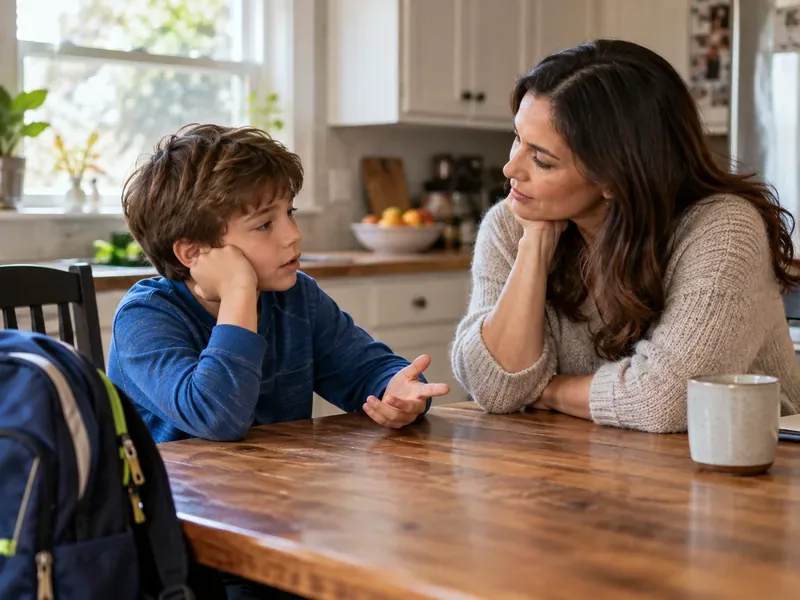
A child may repeat a reassurance question to process information, seek connection, or manage worry. Learn how to respond and when persistent anxiety needs support.
Learn how to set screen-time boundaries with predictable routines, warnings, calm follow-through, and better transitions—without turning every device handoff into a fight.
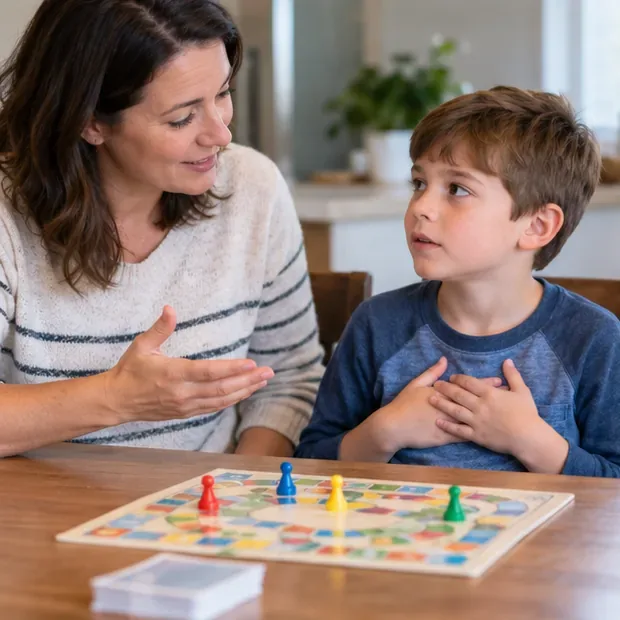
Teach children to handle losing without shame or explosive anger by validating feelings, setting behavior limits, modeling recovery, and practicing at the right difficulty.
A calm, practical plan for after-school meltdowns: reduce overload, keep limits clear, track patterns, coordinate with school, and know when to seek help.
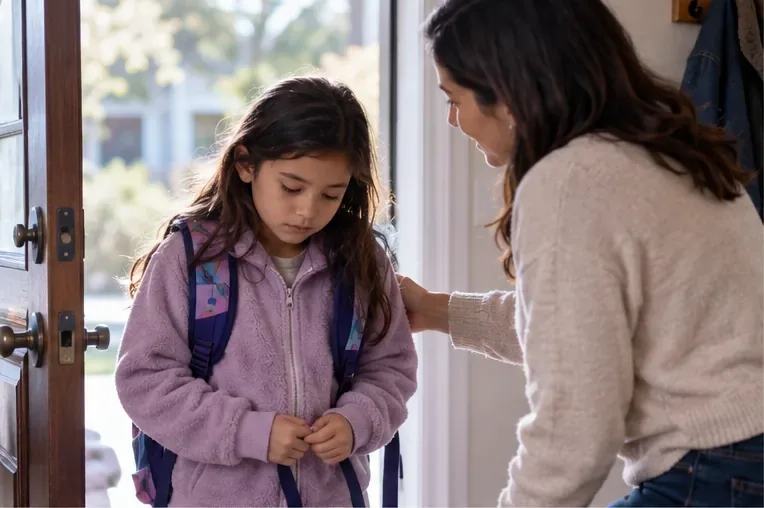
Learn how to respond when a child feels unwanted, ask supportive questions, recognize bullying or ongoing distress, and know when to seek extra help.
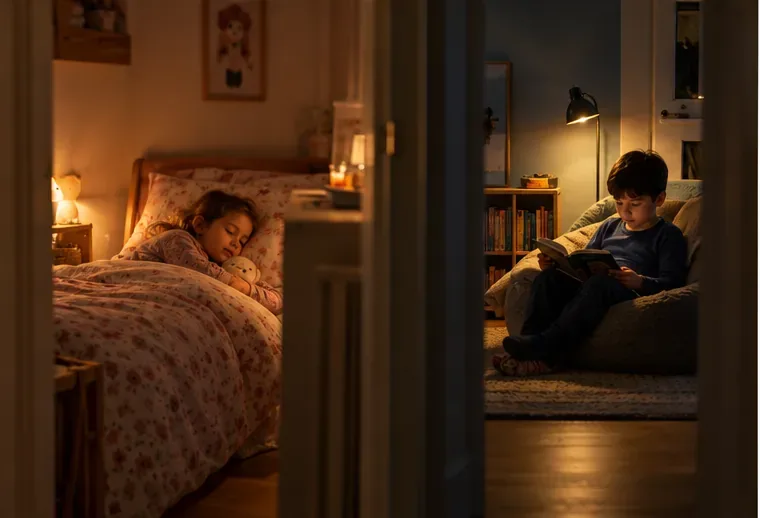
Learn how to set up a shared bedroom for siblings with different bedtimes, from planning around age-based sleep needs to creating separate sleep spaces and quiet routines.
Compare full-day, gradual, and temporary at-home return plans, plus health checks and school supports that can help a child reenter safely.
Learn when a child can try to solve a friendship problem, when adults should step in, and how to tell whether support is helping or needs to change.