How to Teach Chores Without Redoing Every Task for Your Child

Teach kids to do chores with fewer reminders: set a clear finish line, model one task, step back, and correct only what is unsafe or unfinished.
Anemia in a child is a condition in which a child's body lacks the necessary amount of red blood cells. If not treated in the right direction, the disease will have a lasting effect on the child's health.
If you notice that your baby is tired, often wants to sleep with unusual manifestations such as pale skin, thin skin or even wanting to eat stones, he or she is most likely anemic. The disease is caused by many causes but mainly due to iron deficiency.
The following article, aFamilyToday Health will synthesize 6 frequently asked questions about anemia in children as well as accompanying answers to help you better understand the disease, thereby knowing how to prevent your baby.
The cause of anemia in children is due to the lack of red blood cells in the child's body. Red blood cells are a special pigment protein that supplies oxygen to other cells in the body. The decline in red blood cells will make the baby's health seriously affected.
In addition, anemia can occur if a child has one of the following related conditions:
Not making enough red blood cells: This will happen if your baby doesn't get enough iron or other essential nutrients in the diet.
Loss of red blood cells due to hemorrhage: You can clearly notice this problem when blood appears in the child's stool many times.
The body destroys too many red blood cells: This anemia usually occurs when a child has an underlying medical condition or has a genetic disorder of the red blood cells (such as sickle cell anemia ).

The most common symptoms of anemia in children include:
Sleep a lot
Or irritable
Always feel weak
Be tired often
The pale skin of the body, lips and 2 cheeks
The eyelids and nail corners are less rosy than most people
Children with damaged red blood cells can develop jaundice with dark urine.
Children with severe anemia may also show additional signs such as:
Headache
Heart beat fast
Swollen arms and legs
Dizziness and fainting
One of the signs of anemia in children is that the baby is suddenly interested in inedible things, for example: clay, cardboard, paper, dirt ... This behavior is called Pica syndrome , often This happens if the amount of iron in the baby's body is too low and can cause constipation. Pica syndrome will end if the anemia is treated with iron supplementation.
If you notice that your baby is behaving like what is suggested above, take him to a doctor to get an accurate diagnosis of the condition. Mild anemia can also affect your baby's health, concentration and ability to learn. Chronic iron deficiency anemia also makes your baby less able to develop for a long time or even permanently.
Usually, doctors will determine if the child has anemia through the form of a total blood cell analysis (CBC) test, the test results sometimes show red blood cells in the baby's body in lower than usual. Other diagnostic tests include:
Iron test: Your doctor will test iron and ferritin in your serum to determine if the cause of anemia is iron deficiency.
Reticulocyte count : Helps to count the number of young red blood cells, thereby helping doctors to see if the red blood cell production is in normal levels or not.
Peripheral smear test: The blood will be placed on a slide to examine the red blood cells through a microscope, which can sometimes even indicate the cause of anemia.
Hemoglobin electrophoresis: This type of test will identify any type of abnormal hemoglobin and diagnose sickle cell anemia, thalassemia, or other genetic forms of anemia.
Bone marrow biopsy: This test can help determine if the production of blood cells is normally taking place in the bone marrow. This is the only way to diagnose aplastic anemia if your baby is suffering from some condition that affects the bone marrow causing anemia, such as leukemia.
Treatment for anemia depends on the cause. For iron deficiency anemia, your doctor may prescribe it in the form of drops (for a newborn) or in liquid or pill form (for an older child). It usually takes 3 months for the body to store iron. Anemia caused by infection, on the other hand, usually improves when the cause of the condition is treated.

Iron deficiency anemia and nutrient deficiency anemia can be prevented by providing your baby with a balanced diet. Consult your doctor about what to or should not feed your child if he or she is taking supplements to improve anemia.
Some ways to prevent nutritional deficiency anemia include:
After your baby is 12 months old, avoid giving your baby cow's milk more than 2 cups a day (about 500ml) because it usually doesn't have much iron, but makes the baby feel full and doesn't want to eat anything more. This is the unintentional cause of iron deficiency in children.
The diet for children 3 years of age and older should be balanced with a variety of iron-containing foods including red meats, egg yolks, potatoes, tomatoes, beans, honey, sugar and raisins .
Encourage the whole family to eat citrus fruits or other foods high in vitamin C to increase the body's iron absorption. Although green vegetables are high in iron, babies will sometimes have difficulty metabolizing, so vitamin C acts as a support tool, making this process more smoothly.
The care measures for anemic child will also depend on the type of anemia, the cause, and the severity of the disease. Children often tolerate anemia much better than adults. In general, babies with anemia may show more fatigue than their peers doing simple tasks. Therefore, children need to be carefully monitored to avoid overexertion. Some forms of anemia, such as sickle cell anemia, require more specific care and treatment.
If your child begins to have any of the signs of anemia, seek medical attention for an accurate diagnosis by a doctor. Also, find out if any family member has a history of anemia or blood clotting problems . With the right treatment, anemia in children will be improved quickly.
Teach kids to do chores with fewer reminders: set a clear finish line, model one task, step back, and correct only what is unsafe or unfinished.
Learn why toilet-trained children may start having pee or poop accidents again, what patterns to track, how to respond calmly, and when to call the pediatrician.
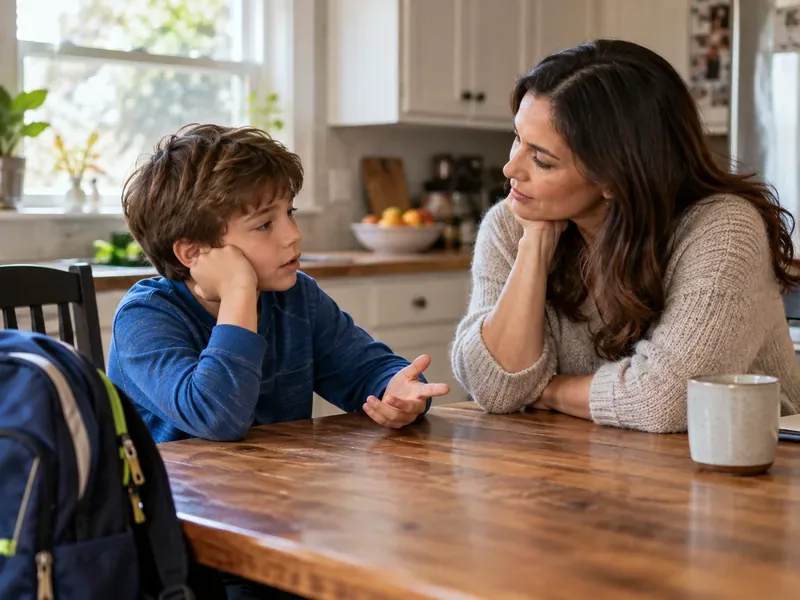
A child may repeat a reassurance question to process information, seek connection, or manage worry. Learn how to respond and when persistent anxiety needs support.
Learn how to set screen-time boundaries with predictable routines, warnings, calm follow-through, and better transitions—without turning every device handoff into a fight.
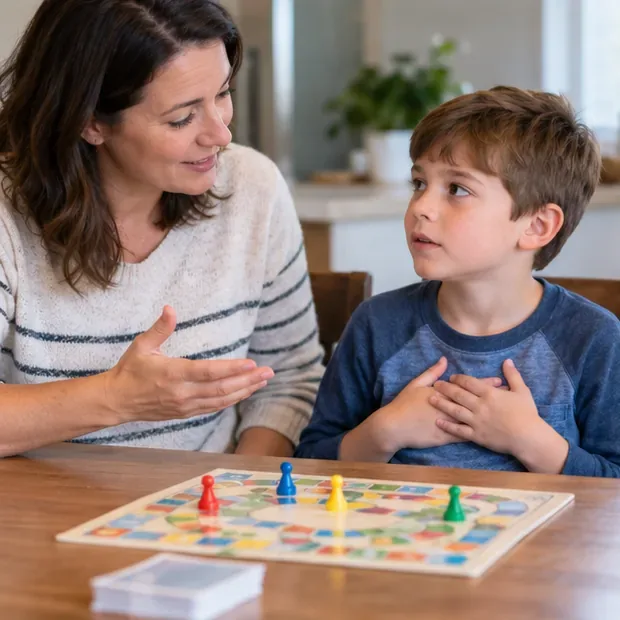
Teach children to handle losing without shame or explosive anger by validating feelings, setting behavior limits, modeling recovery, and practicing at the right difficulty.
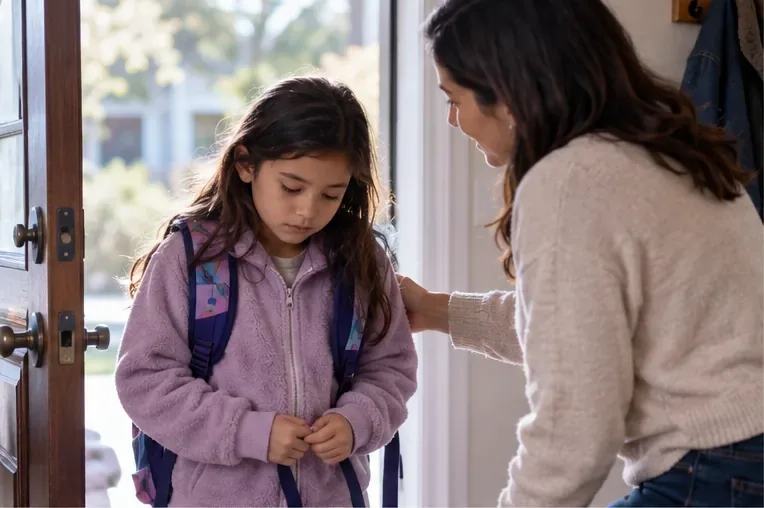
A calm, practical plan for after-school meltdowns: reduce overload, keep limits clear, track patterns, coordinate with school, and know when to seek help.
Learn how to respond when a child feels unwanted, ask supportive questions, recognize bullying or ongoing distress, and know when to seek extra help.
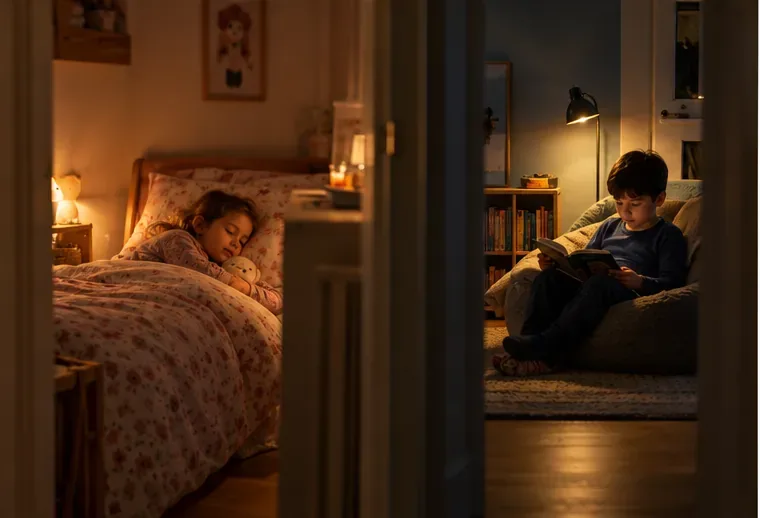
Learn how to set up a shared bedroom for siblings with different bedtimes, from planning around age-based sleep needs to creating separate sleep spaces and quiet routines.
Compare full-day, gradual, and temporary at-home return plans, plus health checks and school supports that can help a child reenter safely.
Learn when a child can try to solve a friendship problem, when adults should step in, and how to tell whether support is helping or needs to change.