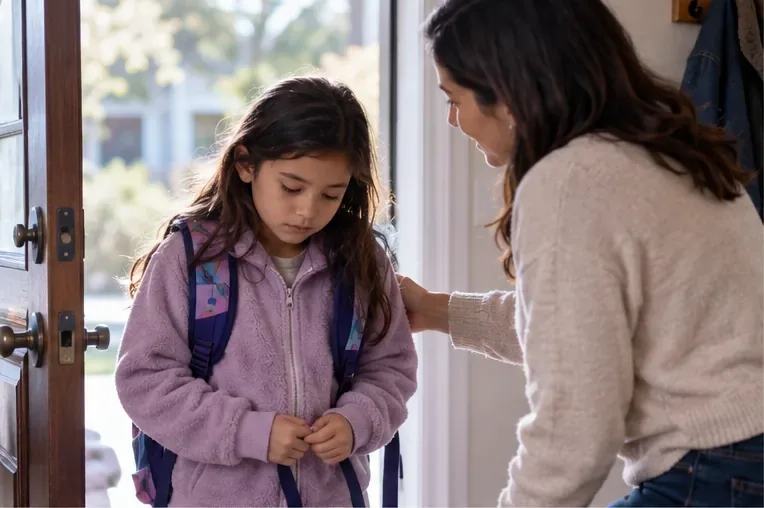
How to Teach Chores Without Redoing Every Task for Your Child

Teach kids to do chores with fewer reminders: set a clear finish line, model one task, step back, and correct only what is unsafe or unfinished.

Teething babies used to be a mysterious and terrifying thing. Ancient Greek scholars believed that the symptoms of teething were linked to disease rather than part of the natural process of human development. About 100 years ago, doctors still thought that babies died of teething. Today, teething is a natural thing in the process of growing up of babies but still stresses many parents, especially for those who have just had the first child.
When the baby's teeth start to teething, their teeth begin to pop up under their gums. This usually begins when the baby is about 4 to 7 months old. Each baby will grow enough 20 teeth. This process takes an average of about 3 years depending on the child.
When teething, babies often have gum pain, which can cause discomfort for the baby. The pain can cause other symptoms such as abdominal pain, loss of appetite, fever or heavy drooling. However, parents can help reduce the severity of these symptoms with a few simple measures below:
Chamomile is a flower of the chrysanthemum family, used for hundreds of years to treat a wide range of health problems in both adults and children. This plant is very popular for relieving teething symptoms, helping to relieve teething symptoms. Additionally, this plant is thought to be able to relax an infant's nerves and soothe the stomach. When using, mix about 30 ml of base oil or vegetable oil with 6 drops of chamomile essential oil. Then heat the mixture in your hands and gently massage it along your baby's jaws and around the ears.
Babies are less likely to experience teething pain if you let them chew something, such as a clean cold washcloth, moist gauze or a chilled teething ring.
Cookies can soothe your baby's teething symptoms. This type of cookie (made from galangal) is commonly used for teething babies. Studies have found that the plant - a starchy substance that is effective in treating stomach disorders, is good for teething babies. Galangal powder is also a very thick starch. This powdered cake is suitable for babies as it won't crumble into small pieces.
When a baby teething, parents can clean their mouth by gently rubbing their gums with a clean wet towel or gauze at least once a day. This will help soothe the gums and help avoid bacteria buildup. After the first tooth appears, switch to cleaning the baby's mouth with a fluffy brush.
If the above methods have not been effective, try giving your baby pain relievers such as ibuprofen (Advil) and acetaminophen (Tylenol). However, note that you should consult your dentist or doctor about the dosage of medicine for your child's age before giving it to your baby.
In addition, you can ask your doctor about other medications or teething gels. However, only certain medicines are safe for babies and children. You should be careful, avoid giving your baby gels containing benzocaine.
Teething is part of a natural development, but it can be painful. Parents should learn and memorize a few simple tips to help children overcome toothache easily!
You may be interested in:
Caring for and preventing tooth decay in bottle-fed children
4 foods that are good for your baby's teeth
Teach kids to do chores with fewer reminders: set a clear finish line, model one task, step back, and correct only what is unsafe or unfinished.
Learn why toilet-trained children may start having pee or poop accidents again, what patterns to track, how to respond calmly, and when to call the pediatrician.
A child may repeat a reassurance question to process information, seek connection, or manage worry. Learn how to respond and when persistent anxiety needs support.
Learn how to set screen-time boundaries with predictable routines, warnings, calm follow-through, and better transitions—without turning every device handoff into a fight.
Teach children to handle losing without shame or explosive anger by validating feelings, setting behavior limits, modeling recovery, and practicing at the right difficulty.
A calm, practical plan for after-school meltdowns: reduce overload, keep limits clear, track patterns, coordinate with school, and know when to seek help.
Learn how to respond when a child feels unwanted, ask supportive questions, recognize bullying or ongoing distress, and know when to seek extra help.
Learn how to set up a shared bedroom for siblings with different bedtimes, from planning around age-based sleep needs to creating separate sleep spaces and quiet routines.
Compare full-day, gradual, and temporary at-home return plans, plus health checks and school supports that can help a child reenter safely.
Learn when a child can try to solve a friendship problem, when adults should step in, and how to tell whether support is helping or needs to change.