How to Teach Chores Without Redoing Every Task for Your Child
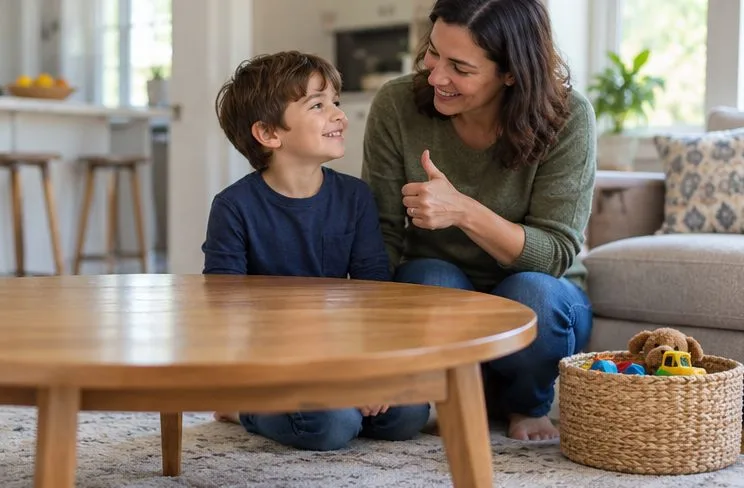
Teach kids to do chores with fewer reminders: set a clear finish line, model one task, step back, and correct only what is unsafe or unfinished.
Many parents do not like letting their children go barefoot because they are afraid that their baby will be dirty or injured. In fact, in safe places, you should let your baby play freely on bare feet rather than tied up in shoes.
Are you accustomed to letting your child wear shoes when going out on the street? However, have you ever allowed your children to walk barefoot? Letting your child run and jump on bare feet would do a lot better. aFamilyToday Health will explain why in a moment.
People who regularly wear inappropriate shoes will have inwardly facing feet with pinched toes. However, this was not formed overnight, but took many years.
If you pay attention, you will notice that the child's feet tend to be narrow in the heels and wide in the toes. A child's feet are made up of cartilage, and bone develops over a few years. Before the baby develops and completes the footbone, many parents accidentally let their child wear shoes that are quite tight or do not have heel support. Over time, the muscles in the back legs will weaken, making it difficult for the child to learn to walk.
So unless you need to go out, let your child walk barefoot for the majority of the day and buy shoes that fit him.
When wearing padded shoes, babies tend to hit the ground with their heels hard rather than gently. Most shoes lift a child's heel off the ground, which in turn can alter the development of the muscles that play a role in walking and jumping. If shoes are worn regularly, the strength in the toe and ligaments will be reduced. So, you should think about letting your baby walk barefoot most of the time.

In addition to the comfort of walking barefoot, young children also learn how to evaluate and handle situations. For example, if the baby runs on a rough surface, he or she must quickly slow down again. When walking barefoot, children tend to use less force and must pay attention to whether they are stepping on sharp objects.
Awareness of the surrounding environment together with the ability to react appropriately in many different situations are useful life skills to help children know how to respond to difficulties in life. Studies show that barefoot children tend to be less clumsy and have a more natural gait.
A recent study in South Africa found that the health of human feet was better before the shoes appeared. On the other hand, wearing shoes creates an ideal environment for fungi and bacteria to grow. If a child in developmental age often wears tight shoes, he may experience ingrown nails , causing skin necrosis, thereby leading to infection.
One of the most obvious benefits of walking barefoot is that your baby feels really safe and has an improved senses. Touching the cool, soft grass or the hot sand in the ocean can be a special moment for them to connect with their surroundings through the touch of their feet. In this way, you also give your child a new, exciting experience.
While giving your child barefoot has these 5 benefits, before you let your child walk barefoot, see if there are any dangers there, such as nails or sharp objects.
Teach kids to do chores with fewer reminders: set a clear finish line, model one task, step back, and correct only what is unsafe or unfinished.
Learn why toilet-trained children may start having pee or poop accidents again, what patterns to track, how to respond calmly, and when to call the pediatrician.
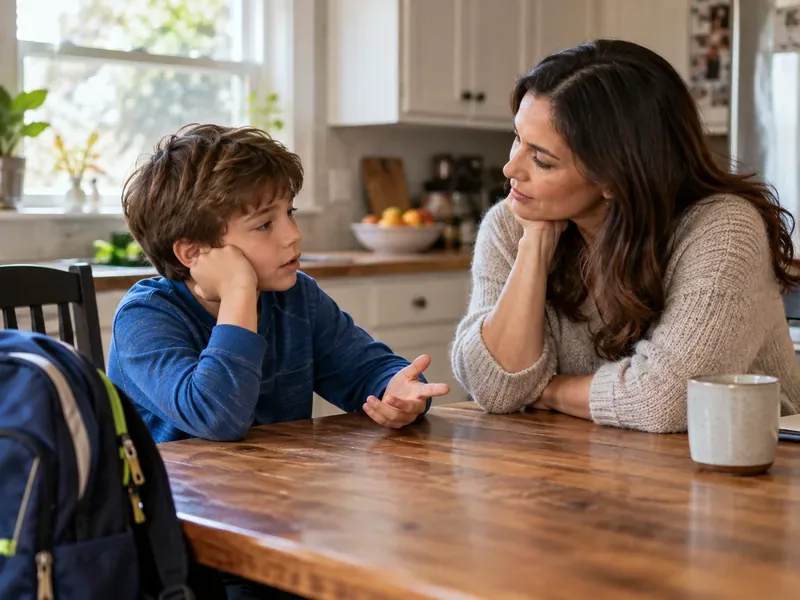
A child may repeat a reassurance question to process information, seek connection, or manage worry. Learn how to respond and when persistent anxiety needs support.
Learn how to set screen-time boundaries with predictable routines, warnings, calm follow-through, and better transitions—without turning every device handoff into a fight.
Teach children to handle losing without shame or explosive anger by validating feelings, setting behavior limits, modeling recovery, and practicing at the right difficulty.
A calm, practical plan for after-school meltdowns: reduce overload, keep limits clear, track patterns, coordinate with school, and know when to seek help.
Learn how to respond when a child feels unwanted, ask supportive questions, recognize bullying or ongoing distress, and know when to seek extra help.
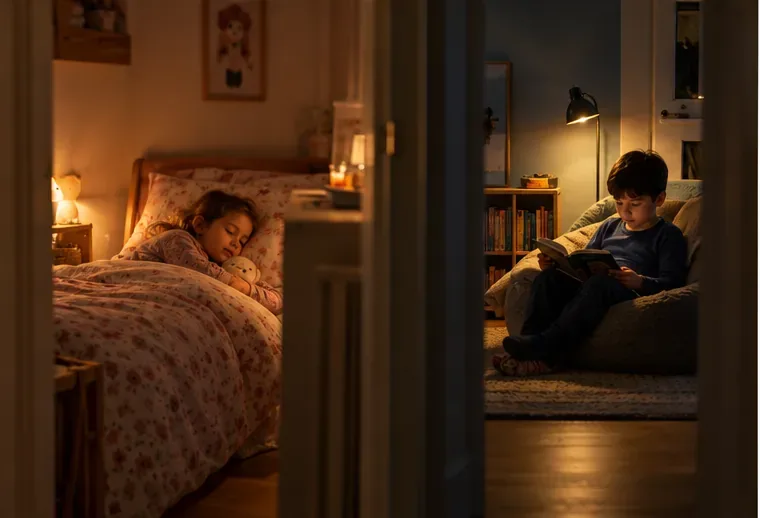
Learn how to set up a shared bedroom for siblings with different bedtimes, from planning around age-based sleep needs to creating separate sleep spaces and quiet routines.
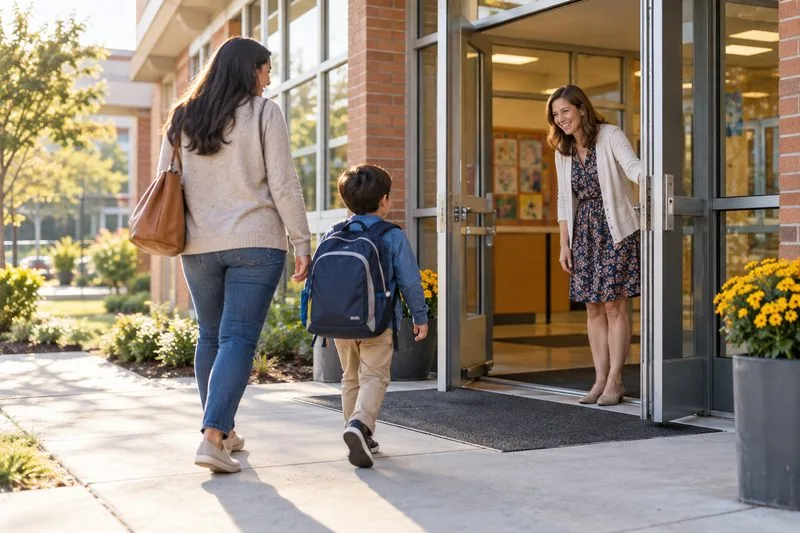
Compare full-day, gradual, and temporary at-home return plans, plus health checks and school supports that can help a child reenter safely.
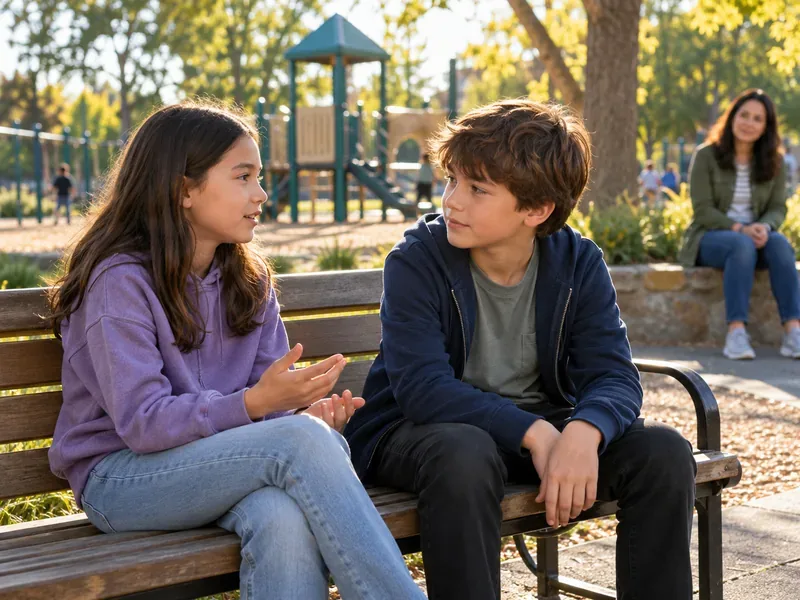
Learn when a child can try to solve a friendship problem, when adults should step in, and how to tell whether support is helping or needs to change.