How to Teach Chores Without Redoing Every Task for Your Child

Teach kids to do chores with fewer reminders: set a clear finish line, model one task, step back, and correct only what is unsafe or unfinished.

The bloating in children often makes parents worry, especially when you do not know the cause of it, while the baby does not know how to accurately describe the problem.
Although an upset stomach is not usually a sign of a serious medical problem, parents should also be on the lookout for other accompanying symptoms in their child. Does this help you determine whether to take your baby to the doctor right away or get home treatment? The following article will help parents answer this question.
Constipation is a frustrating but often not serious condition that everyone faces over time. If your baby is constipated, the stomach will swell and feel a bit stiff to the stomach. The best way to determine if your baby is constipated is to pay attention to how often and how long he or she goes out. If your baby is having less time than usual and has difficulty passing, he may be constipated.
Sometimes changes in diet can help with constipation, but it's best to let your baby see the doctor if he's worried or his condition doesn't improve.
Appendicitis can cause bloating in the abdomen, especially in young children. In addition to bloating, appendicitis can cause fever, nausea, and pain around the right pelvic fossa (right side of the abdomen below the navel). If you suspect your baby has appendicitis, get your baby checked out as soon as possible.
If the inflammation is left untreated, the appendix can rupture, causing peritonitis and life-threatening. The treatment for appendicitis is surgery to remove the appendix.
Giardia is an intestinal parasite and often spreads from baby to baby in kindergartens with poor sanitation. This parasite causes bloating, diarrhea , stomach pain and nausea. Although giardiasis can be easily treated with medicine, you still need to teach your child proper hygiene to reduce the risk of disease.
You should also observe hygiene in the child care facility to make sure they are doing everything they can to prevent the spread of parasites.
The digestive system of people with Celiac disease cannot tolerate gluten. This is a substance found in many foods such as bread, flour, barley, wheat, pasta ... The gluten intolerance causes bloating, diarrhea and a rash.
Although there is currently no cure for Celiac disease, parents can still control the disease in their children by adjusting their diet and avoiding gluten-containing foods. This dietary modification is important because untreated Celiac disease can lead to underdevelopment, stunting in children.
It is important that parents pay attention to the symptoms of bloating. If your baby has a fever, abdominal pain or a rash with bloating, you should consult your pediatrician immediately. In addition, prolonged diarrhea can lead to dehydration , so it is important for parents to monitor the amount of fluid they drink and to contact their doctor immediately if their baby is going to the toilet a lot.
Baby bloating is sometimes linked to other serious problems. Parents need to observe every smallest symptom in their children to have timely treatment measures!
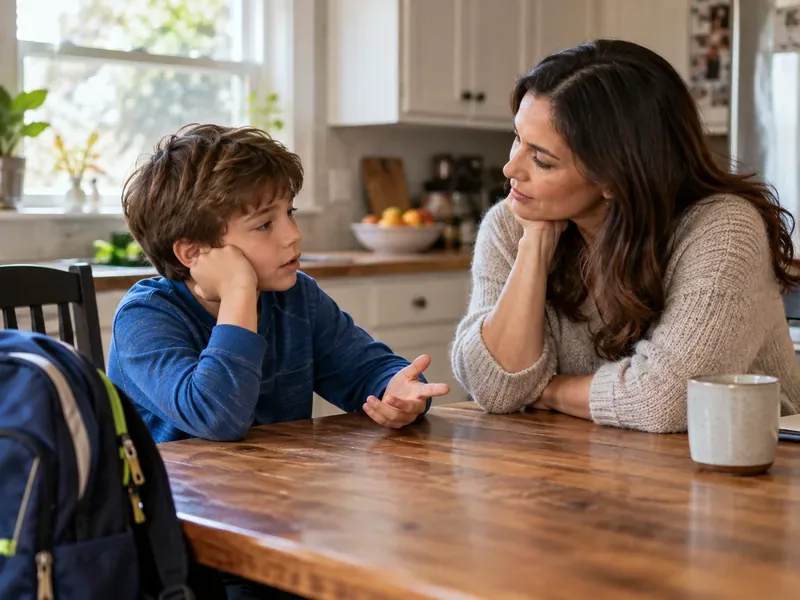
Teach kids to do chores with fewer reminders: set a clear finish line, model one task, step back, and correct only what is unsafe or unfinished.
Learn why toilet-trained children may start having pee or poop accidents again, what patterns to track, how to respond calmly, and when to call the pediatrician.
A child may repeat a reassurance question to process information, seek connection, or manage worry. Learn how to respond and when persistent anxiety needs support.
Learn how to set screen-time boundaries with predictable routines, warnings, calm follow-through, and better transitions—without turning every device handoff into a fight.
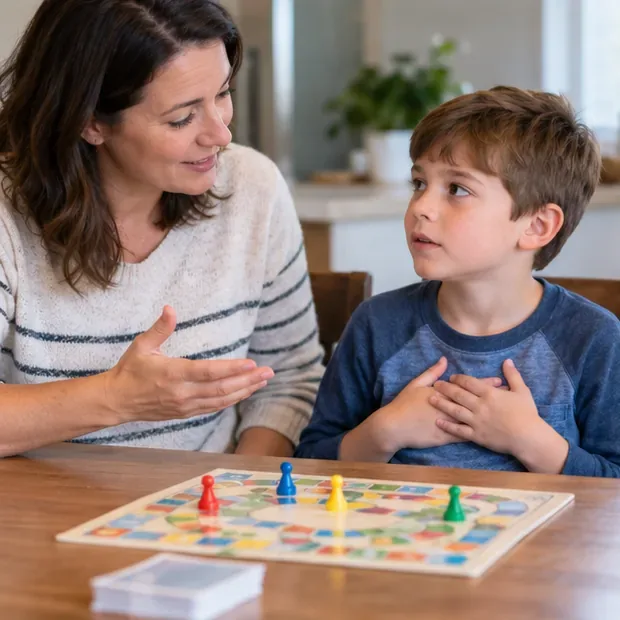
Teach children to handle losing without shame or explosive anger by validating feelings, setting behavior limits, modeling recovery, and practicing at the right difficulty.
A calm, practical plan for after-school meltdowns: reduce overload, keep limits clear, track patterns, coordinate with school, and know when to seek help.
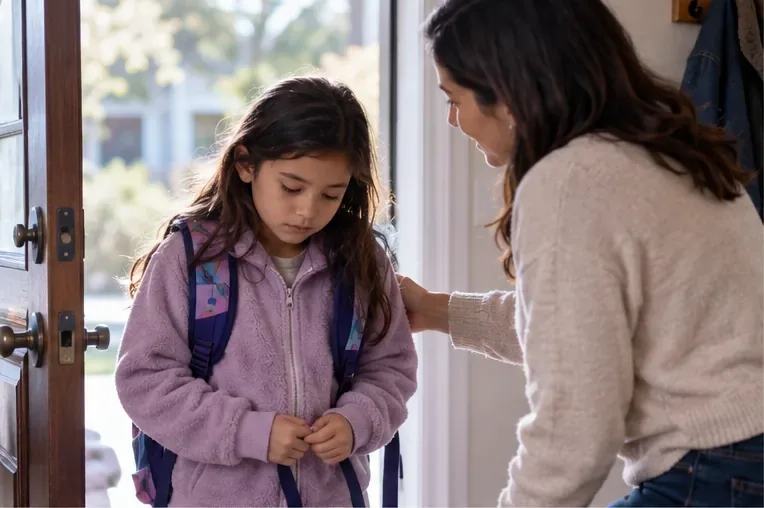
Learn how to respond when a child feels unwanted, ask supportive questions, recognize bullying or ongoing distress, and know when to seek extra help.
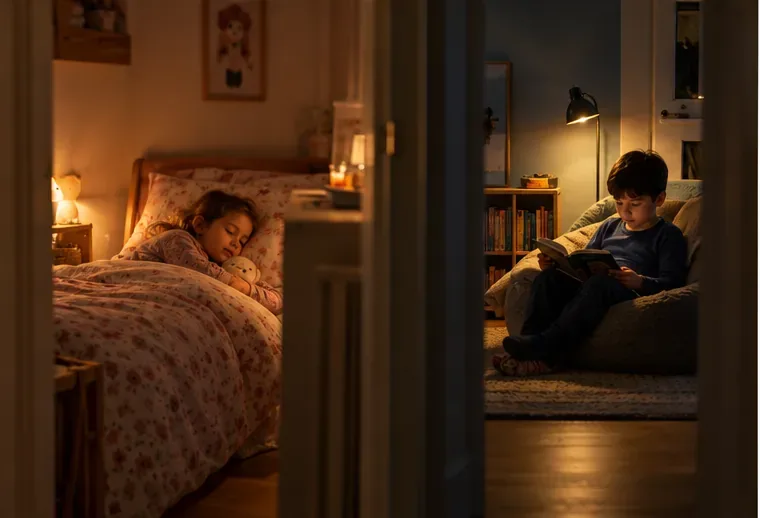
Learn how to set up a shared bedroom for siblings with different bedtimes, from planning around age-based sleep needs to creating separate sleep spaces and quiet routines.
Compare full-day, gradual, and temporary at-home return plans, plus health checks and school supports that can help a child reenter safely.
Learn when a child can try to solve a friendship problem, when adults should step in, and how to tell whether support is helping or needs to change.