Behavior and development
How does the baby develop?
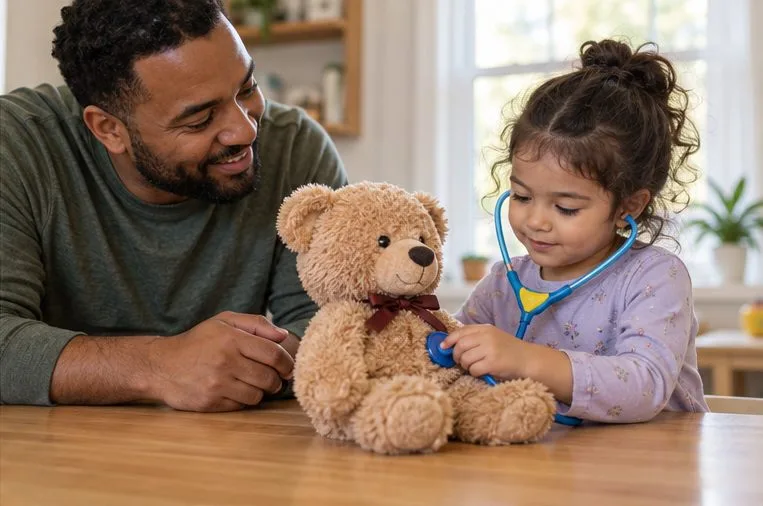
At this age, young children tend to be attracted to stuffed animals of all sizes. They can also become your baby's favorite toy. A cloth pet is a sign that your baby is growing independent. In other words, your child is learning to separate from you and slowly become more independent. When adding new members to your baby teddy bear family, look for soft, stitched ones.
Babies can also play balls (you can't buy small sizes because they will put them in their mouth), auto pop-up toys and large dolls. One way to know if your baby has a favorite toy or not: try to take it away, if your baby protests violently, it is most likely a favorite toy.
By the last week of the 7th month, your baby will be able to:
Crawl and scramble away;
Bounce up from a sitting position;
Switch from crawling to sitting;
Pick up any small object with part of thumb and finger (so keep dangerous objects out of reach of children);
Say "mama" or "dada".
What do you need to do to support your baby?
They can now bear the weight on their feet and they love to bounce - this can strengthen their muscles for walking. Hold your underarms and support your baby to stand on the floor or on your lap.
You will likely need to help your baby begin to move by lifting him off the ground (or your thighs). To encourage your baby's development, place a toy out of your baby's reach and watch how your baby tries to get to it. If your baby cries because he can't get what he wants, encourage him not to give him the item. Babies are just crying to vent their frustration and will quickly become more confident if they do everything on their own.
After a few tries, your baby will be able to lean forward to pick up a toy and then return to where it was. Soon, the baby will crawl back and forth on knees and hands, or can scramble (push people around on stomach) or even roll around to move around the room. You can help your baby move more easily by wearing loose, comfortable clothes.
Health and safety
What should mom discuss with the doctor?
Depending on your baby's specific condition, the doctor will perform general physical exams, using very different diagnostic techniques and procedures. The doctor or nurse will check for all or most of the following:
A measurement of hemoglobin or hematocrit can be done to check for anemia (usually with a pin prick), especially for underweight babies.
Instruct what to expect over the next month regarding issues such as eating, sleeping, development, and safety.
Mother should know more?
Vegetarian menu for children
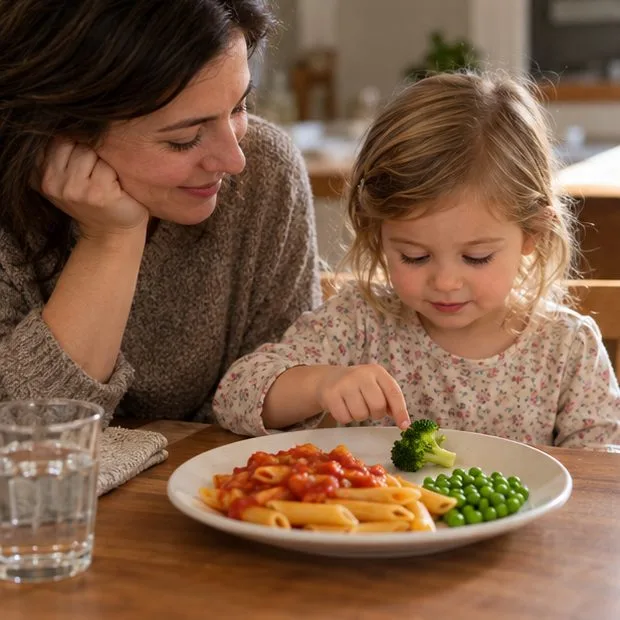
Your baby can absorb all the necessary vitamins, minerals and proteins from a nutritionally balanced vegetarian diet. Six-month-old babies can get most of the nutrients from breast milk or formula and weaning foods such as cereals, mashed fruit, juices and vegetables.
A balanced diet is very important for your baby, especially if he often stops eating. Your baby will need protein to enhance development and recovery. So on a meat-free diet, you'll need to find alternative food sources. If you want to give your baby a vegetarian diet, remember that a vegetarian diet is particularly deficient in iron, so be sure to include iron-rich foods like whole grains and green leafy vegetables like spinach. baby's vegetarian menu. In addition, you need to make sure your baby is getting enough vitamins B12 and D, riboflavin, calcium and zinc through their daily diet.
Pork and poultry substitutes suitable for weaning babies include cheese, tofu, beans (cooked and crushed), nutritious whole grains (bread, pasta, rice and cereals), yogurt and cheese.
Salt-free diet
Babies, like us, also need salt. However, the baby does not need too much salt. In fact, the baby's kidneys cannot process large amounts of sodium, which is probably why mother nature makes breast milk - a very low sodium drink. A diet high in salt can create a lifelong habit of salty eating.
Don't assume beans or mashed potatoes won't appeal to your baby unless they are sprinkled with salt. Give your baby's taste buds a chance to explore unsalted foods and chances are they'll have this healthy eating habit that lasts a lifetime. To make sure your baby has a habit of eating a lot of salt while helping family members reduce their salt intake, read the food label regularly. Products like bread and breakfast cereals, cakes, and cookies can also contain large amounts of sodium. When shopping for baby food, always choose foods with less than 50 mg of salt per serving.
Nutritional supplements
When your baby is six months old, he or she needs more iron. Fortunately, baby fortified cereals are a very popular alternative source of iron. Consult your doctor for instructions on how to add iron appropriately for your baby.
Try different forms of barley or oats. Maybe your baby will like the taste a little richer. You can also mix a small amount of cereal flour with one of your favorite fruits.
Mother's concern
What are the things you need to care about?
Baby shoes
At this stage of development, your baby should still walk barefoot. There's nothing wrong with fitting your baby with shoes that look good on special occasions, though - as long as it's right for them. Because the baby's feet are not yet suitable for walking, the shoes you buy are not really necessary. Infant shoes should be lightweight, made of breathable material (leather or fabric, but not plastic), with a flexible sole so you can feel your baby's toes inside.