How to Teach Chores Without Redoing Every Task for Your Child
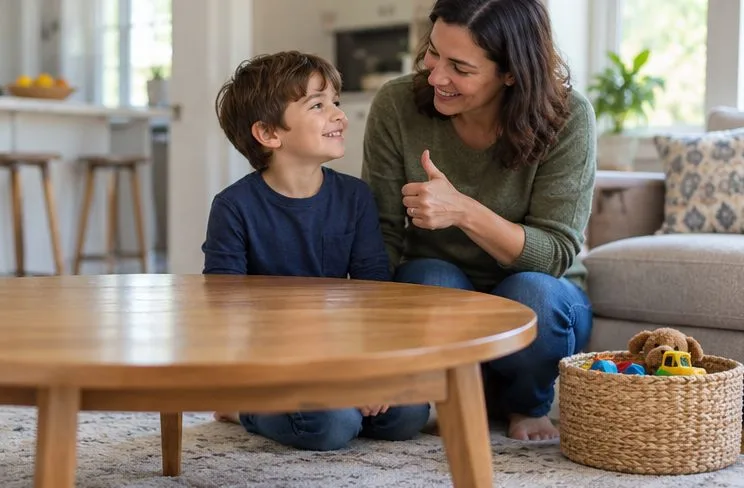
Teach kids to do chores with fewer reminders: set a clear finish line, model one task, step back, and correct only what is unsafe or unfinished.

Sleep is very important for everyone, especially children because it is essential for not only children's physical development but also children's thinking. Let's join aFamilyToday Health to learn the importance of sleep for children as well as how to help you ensure the quality of their sleep.
When you sleep, your baby will begin their journey into the land of dreams. This is a place for children to save today's memories, form new learned reflexes and promote children's creativity. In addition, children need to get enough sleep to focus on the next day's study.
Children need more time to sleep than adults do. Babies need 11 to 14 hours of sleep a day, 3 to 5 years old, 11 to 13 hours, 6 to 13 years, 9 to 11 hours, and for adolescence Young people need 8 to 10 hours of sleep a day.
The answer depends on your child's sleep last night. Your child may sleep 13 hours at night, or get only 8 hours of sleep and then spend 5 hours during the day to make up for sleep. Most babies 5 years of age and older do not need to sleep. If your baby keeps sleeping during the day even though he is an adult, he may need more sleep at night.
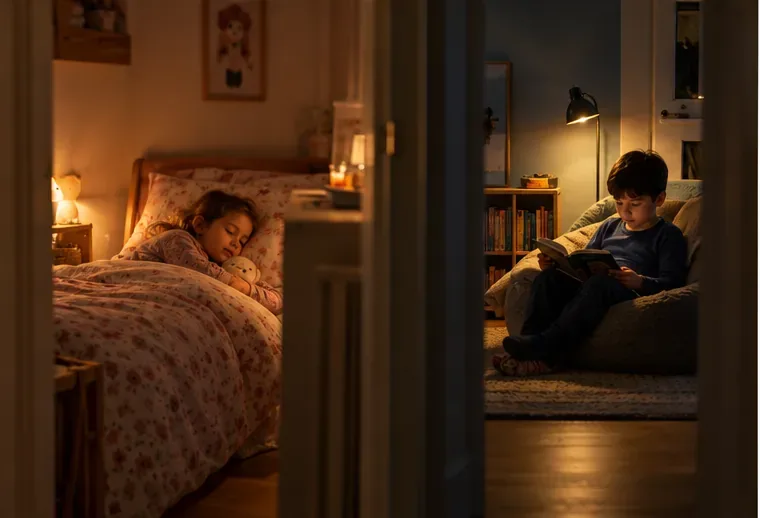
Create a routine of sleeping at the right time for your child, whether on weekends or holidays. Practice good habits like going to the bathroom and brushing your teeth before bed. You can also make it easier for your baby to fall asleep by reading stories to them while they're in bed. Make sure your child's bedroom is quiet, free from light and electronics, and keep your baby's nets sleepy if your house has a lot of mosquitoes. If your child has trouble sleeping, during the day, you should not let them play or do exercises in bed, just keep the bed for sleeping, so it will help your baby sleep more easily.
Putting your teen to bed on time is not a simple matter, as your teen is often distracted by many things and will not be able to close his eyes and lie in bed on time. Often teenagers will want to go to bed late and lie in bed in the morning. However, do not be discouraged. Try advising your kids to go to bed early, turn off all the lights, have them turn off their phones, televisions, computers when it's time to sleep, or you can even turn off the wifi or store your child's phone if you remind them repeatedly but I still don't listen. They may be against you (for sure!), But after a while your kids will get used to it. On the weekends, you can relax your baby to sleep later, but no later than 2 hours.
If there is no problem with sleep, your child will fall into dream after 15 to 30 minutes in bed, waking him up in the morning is also very easy. Also, if your child gets enough sleep, he or she won't yawn during the day and will not fall asleep during the day.
Notice if you see any of the following signs: when sleeping, your baby snores loudly, his breathing slows down, and it sometimes feels like he stops breathing. Or if your baby can't breathe while sleeping and has to wake up, fussy and cry (in a young child), it is a sign of sleep apnea . In this case, you should take your child to see a doctor as soon as possible.
Sleepwalking, frequent nightmares, or frequent flushing are also signs of sleep disturbance. Don't hesitate, take your child to see the doctor.
Babies who lack sleep will sometimes be less focused on something during the day or appear more active than usual. This makes the child appear to have attention deficit hyperactivity disorder (a mental disorder of the brain). Taking your baby to the doctor will clear your doubts. And even if your child has this disease, many studies show that as long as you give your child enough sleep, he or she can improve concentration and be less active.
From the above article, you can see how sleep can affect children, right? aFamilyToday Health hopes that the above suggestions will help you practice your child's sleeping habits enough and punctuality to keep them healthy.
You may be interested in some of the following articles:
When to let the baby sleep separately?
Children have difficulty sleeping because of where and how to cure?
Teach kids to do chores with fewer reminders: set a clear finish line, model one task, step back, and correct only what is unsafe or unfinished.
Learn why toilet-trained children may start having pee or poop accidents again, what patterns to track, how to respond calmly, and when to call the pediatrician.
A child may repeat a reassurance question to process information, seek connection, or manage worry. Learn how to respond and when persistent anxiety needs support.
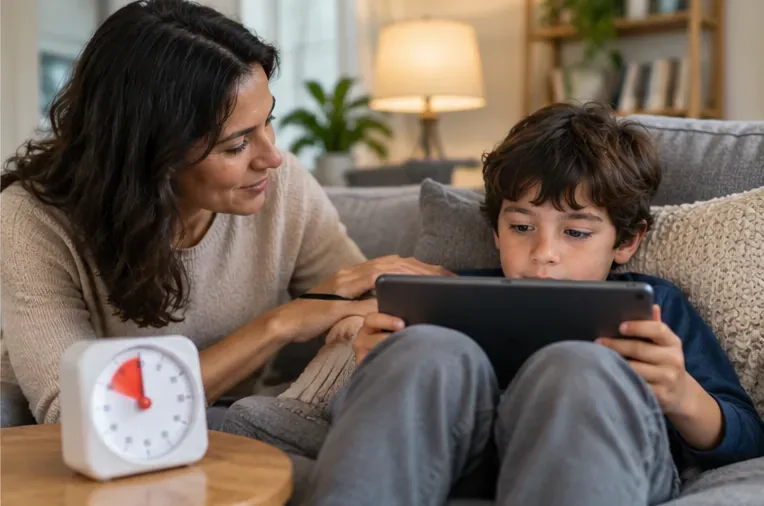
Learn how to set screen-time boundaries with predictable routines, warnings, calm follow-through, and better transitions—without turning every device handoff into a fight.
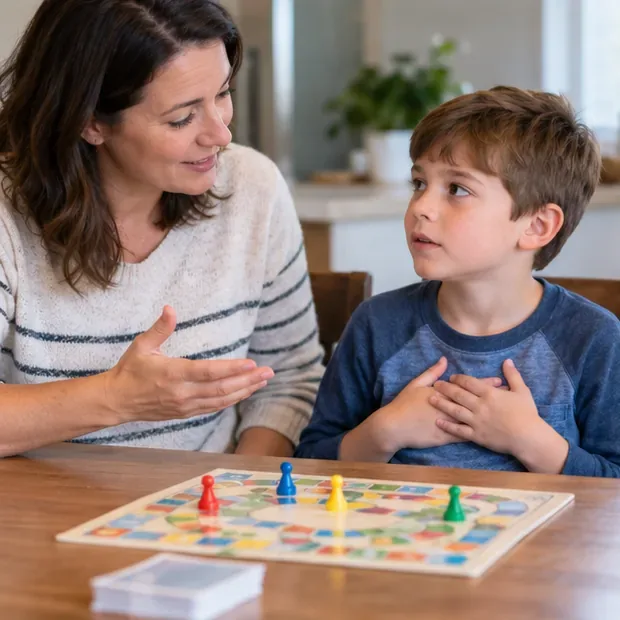
Teach children to handle losing without shame or explosive anger by validating feelings, setting behavior limits, modeling recovery, and practicing at the right difficulty.
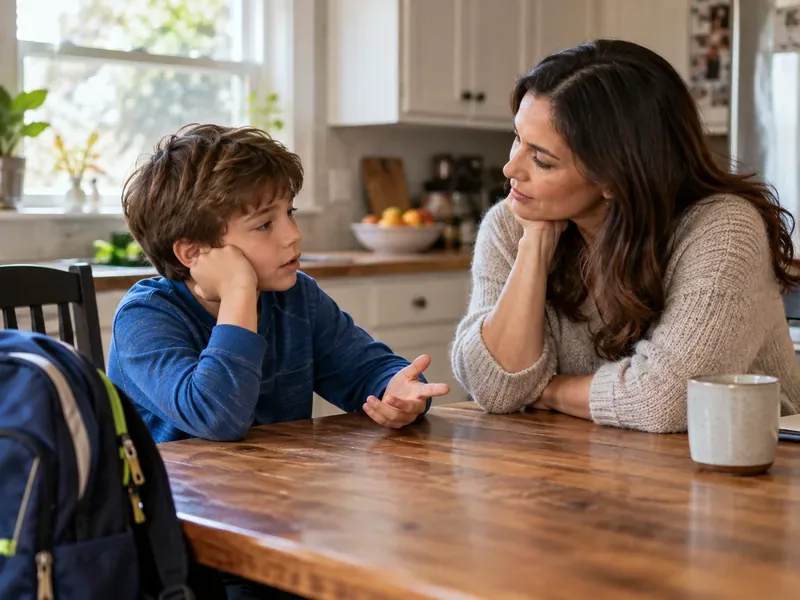
A calm, practical plan for after-school meltdowns: reduce overload, keep limits clear, track patterns, coordinate with school, and know when to seek help.
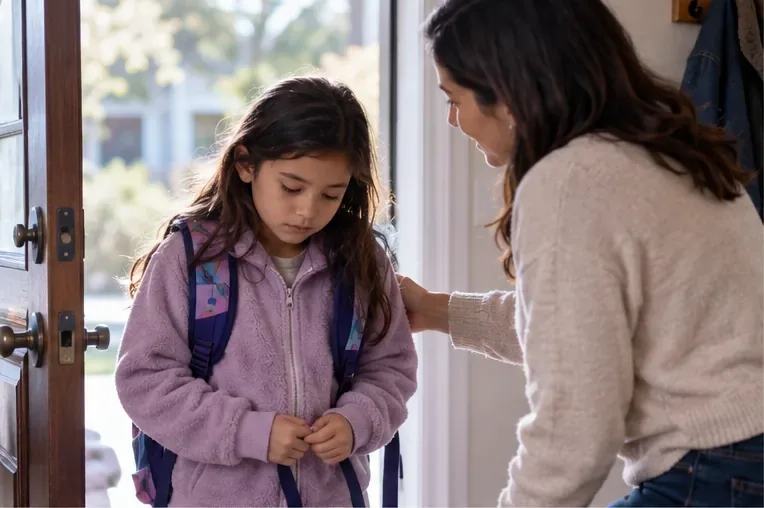
Learn how to respond when a child feels unwanted, ask supportive questions, recognize bullying or ongoing distress, and know when to seek extra help.
Learn how to set up a shared bedroom for siblings with different bedtimes, from planning around age-based sleep needs to creating separate sleep spaces and quiet routines.
Compare full-day, gradual, and temporary at-home return plans, plus health checks and school supports that can help a child reenter safely.
Learn when a child can try to solve a friendship problem, when adults should step in, and how to tell whether support is helping or needs to change.