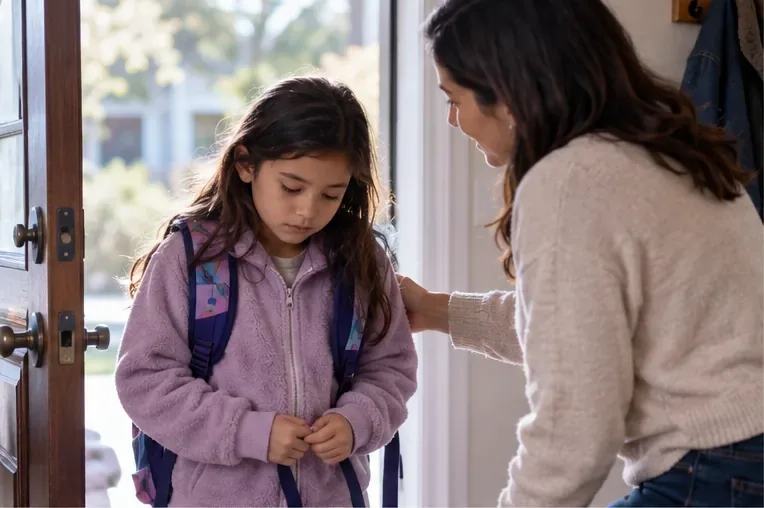
How to Teach Chores Without Redoing Every Task for Your Child

Teach kids to do chores with fewer reminders: set a clear finish line, model one task, step back, and correct only what is unsafe or unfinished.
After maternity leave, the mother is always concerned about how to get enough milk while she works. At the same time, how much milk is enough and how to properly preserve breastmilk so that your baby at home is still adequately nutritious? Rest assured because aFamilyToday Health will help you troubleshoot all your questions right now.
Knowing how to properly store breast milk is very important. Because according to experts, the first 6 months of life need to be breastfed to receive antibodies, as well as essential nutrients to help prevent disease.
After this time, mothers can familiarize babies with solid foods through each weaning meal, but breastmilk should still be the main source of nutrition. The following article discusses notes on how to preserve breast milk is good, enough and safe for the baby.

Before you start expressing milk, wash your hands with soap, and sterilize the breastmilk machine and related equipment. Breast milk after being expressed should be stored in a bottle, glass bottle or health-safe plastic with a lid (BPA-free - ingredients that can affect hormones and cause serious health problems). In addition, you can also use some plastic bags designed specifically for milk storage.
Glass containers are considered the most suitable choice for frozen milk as breastmilk ingredients are better preserved in glass. However, if the glass is not careful, it can easily break, causing inconvenience.
Hard plastic bottles are a second option. There are quite a few suggestions that mothers should not buy bottles with a variety of colors because they may contain dyes that easily leak into milk during storage.
Milk storage bags are another option. However, of the three options mentioned above, milk storage bags are the most likely to leak. Furthermore, if the bag is placed in warm water or placed in a bottle warmer, this action will reduce the nutritional value, freshness, and make the milk more susceptible to bacterial contamination. When choosing to buy a milk storage bag, some tips for your safety include:
Choose safe materials from reputable brands to ensure the best storage of breast milk
In the freezer, store the breastmilk bags in a hard plastic container with a lid
Do not use ordinary plastic bags to store breast milk. Use only bags specially designed for milk storage
When you want to thaw the milk, do not let the water go through the top of the bag to prevent it from spilling over the bag. If the water used for warming was cloudy, a leak would have occurred and the mother had to immediately remove the milk bag
Use the waterproof sticker and ink on the milk container, and attach a label to the bottle so you can easily distinguish them. Also, you should store breastmilk in the refrigerator at the right temperature if you are not planning to use it immediately. If you do not have a refrigerator keep milk temporarily in a thermos with dry ice.
When milking, empty milk will stimulate the pituitary to release the hormone prolactin, making the mother's body make more milk. Accordingly, on average, each day, mothers can express milk from 5-7 times. However, the actual amount of milk to be stored will depend on how much breastmilk is able to produce and how much of it is needed for nutrition.
In addition, with the correct way of preserving breast milk, each milk container should have a capacity of 60 - 120ml to avoid waste if the baby does not use up. In addition to the tools suggested above, in the case of storing frozen milk, you can take advantage of an ice cube tray that has been cleaned and rinsed with boiling water. This way, you can store a certain amount of milk and thaw it easily when feeding your baby.
You can add freshly expressed breastmilk to milk stored in the refrigerator or frozen on the same day. However, make sure to refrigerate fresh milk in the refrigerator or cooler with ice for at least 1 hour before mixing it with old milk. You should not add warm milk to frozen milk. Doing so will cause the frozen milk to thaw. Put the milk of different days in different boxes.
At room temperature: Freshly expressed breast milk can be stored at room temperature around 35 ° C for 4-6 hours. If you don't take that milk early, store it in the refrigerator or freezer.
Insulated refrigerator: Freshly squeezed breast milk can be kept in an insulated freezer with ice for up to 1 day. After this time, you should give your baby milk or transfer it to a dedicated milk container (bag, box) and then put it in the refrigerator or freezer.
Refrigerator: Breastmilk kept in the refrigerator at 0oC can last up to 8 days.
Freezer Milk : Breastmilk stored in the freezer at about -20 ° C will keep for 2 weeks. If the freezer has a separate door and has a temperature of about -35 ° C, breastmilk can last for 3 to 6 months (this depends on how often the doors open and close). If you have a closed freezer with little opening and the temperature is about -40oC then the milk will last for 12 months.
You should use milk as soon as possible. Some studies suggest that the longer you store milk, whether in the refrigerator or freezer, the more vitamin C in milk will be lost. Other studies have shown that leaving milk in the refrigerator for more than 2 days can decrease breastmilk's ability to kill bacteria, and long-term storage can lead to a decrease in milk fat content.
First of all, you shouldn't worry too much about the appearance of the milk. Preserved milk is usually separated into a layer of cream and a layer of milk. Breast milk can range in colors from pale yellow to orange, pink, and green, depending on what food, drink or medicine you take. To thaw milk, you can place a bag of milk / milk bottle in a bowl of warm water. After the milk is warm, gently shake the bottle to mix all ingredients. To check the temperature of the milk, pour a few drops on your wrist. If the milk is slightly hot or not hot, the baby can use it.
Many mothers wonder if frozen breastmilk should be preserved, how to thaw it properly? The answer is that you should not thaw frozen milk at room temperature, as this can cause the bacteria in the milk to multiply stronger. In addition, you should not warm milk in the microwave because the unevenly distributed heat can destroy the antibodies of the milk and risk burns the baby's mouth. Give your baby thawed milk within 24 hours and throw away any excess milk. Absolutely avoid thawing of partially thawed or thawed milk.
Thawed milk may have a slightly different odor than freshly expressed milk or a soapy odor due to the breakdown of fat in the milk, while still being safe for your baby to use.
If completely dissolved, the milk can stay in the cooler for up to 24 hours and should not be refrozen. One study shows that it is still possible to continue breastfeeding a used infant 1-2 hours after being prepared.

Frozen breast milk may have a slightly different color than raw milk. However, this is not a bad thing. Breast milk is usually bluish, yellow, or brown when stored in the refrigerator. Breast milk when refrigerated will split layers, this is completely normal. Once thawed, just shake them gently to mix them. ( 1 ) ( 2 ) ( 3 )
Once the milk is frozen if you want to feed your baby, you can only thaw it first. Use milk immediately after thawing. Note that milk is not refrozen after thawing.
Consult a dietitian if you have any other questions about the proper preservation and use of breast milk to help your baby enjoy the full enjoyment of precious nutrients.
aFamilyToday Health does not offer medical advice, diagnosis or treatment.
Teach kids to do chores with fewer reminders: set a clear finish line, model one task, step back, and correct only what is unsafe or unfinished.
Learn why toilet-trained children may start having pee or poop accidents again, what patterns to track, how to respond calmly, and when to call the pediatrician.
A child may repeat a reassurance question to process information, seek connection, or manage worry. Learn how to respond and when persistent anxiety needs support.
Learn how to set screen-time boundaries with predictable routines, warnings, calm follow-through, and better transitions—without turning every device handoff into a fight.
Teach children to handle losing without shame or explosive anger by validating feelings, setting behavior limits, modeling recovery, and practicing at the right difficulty.
A calm, practical plan for after-school meltdowns: reduce overload, keep limits clear, track patterns, coordinate with school, and know when to seek help.
Learn how to respond when a child feels unwanted, ask supportive questions, recognize bullying or ongoing distress, and know when to seek extra help.
Learn how to set up a shared bedroom for siblings with different bedtimes, from planning around age-based sleep needs to creating separate sleep spaces and quiet routines.
Compare full-day, gradual, and temporary at-home return plans, plus health checks and school supports that can help a child reenter safely.
Learn when a child can try to solve a friendship problem, when adults should step in, and how to tell whether support is helping or needs to change.