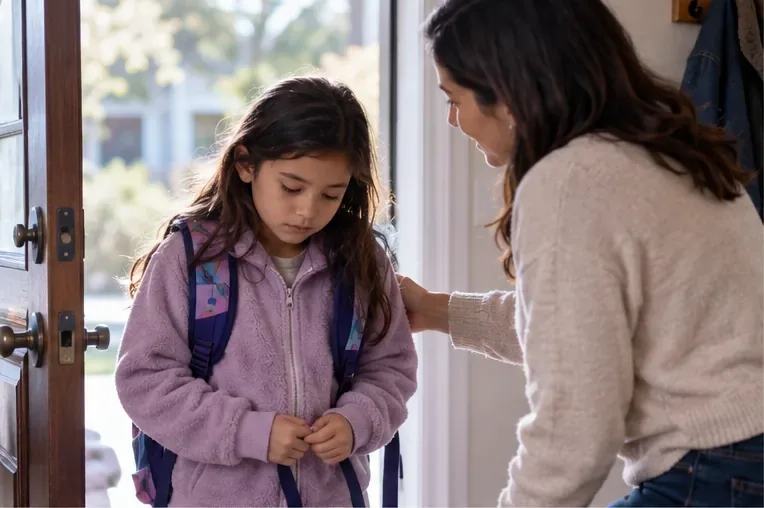
How to Teach Chores Without Redoing Every Task for Your Child

Teach kids to do chores with fewer reminders: set a clear finish line, model one task, step back, and correct only what is unsafe or unfinished.
During the early months, you can change your baby's diaper as often as every hour. While this can be frustrating, frequent diaper changes (at least before or after each day feed and whenever your baby has a bowel movement) is the best way to avoid irritation and diaper rash in sensitive areas. a cold underneath.
If you use cloth diapers, it will be easier to tell when you need to, instead of being able to feel the moisture in the diaper layer. However, if you are using a disposable diaper, you will likely have to take a closer look (and sometimes hold your breath) to assess how wet the diaper is being worn. Because when absorbed, diapers tend to absorb water until they are fully saturated. You don't need to wake your baby to change diapers, and unless the diaper is very wet and uncomfortable or your baby has a bowel movement. Otherwise, you won't need to change diapers every time your baby feeds at night; Movement and light can make it difficult for your baby to return to sleep.
To ensure proper diaper change, follow these steps.
Before you start changing diapers, make sure everything you need is on hand, or on the diaper changing table. You will need all or some of the following:
Diaper clean.
Cotton and warm water for babies under a month (or babies with diapers) and a small towel or towel dry.
A new baby suit if a diaper has leaked, a clean diaper towel or waterproof pants if you are using a cloth diaper.
Ointment or cream, if necessary, to avoid diaper rash; Fragrances and chalks are not required. Be careful with diaper creams because if it gets stuck on disposable diapers, it can interfere with adhesion.
Wash and dry your hands before you start if possible. If not, you can use a disposable towel.
You can coo, make smiley faces, sing ... to distract your baby when changing diapers. You can also turn on the phone ringing on the diaper changing table, one or two stuffed toys in the baby's view, a music box, electronic toy, or any toy that keeps your baby excited long enough for you. diaper can be changed. Do not use items such as powder boxes or lotions, as older babies can grab them and put them in their mouths.
Spread a protective cloth diaper or a cloth. Wherever you perform diaper changes, be careful to always supervise your baby, without ever taking your eyes off. The belt should even be tied to the diaper changing table, so that the baby doesn't move out of your reach.
Take off the diaper, but it doesn't come off immediately. First consider the current diaper situation. If your baby has a bowel movement, use diapers to clean the stain, keep the diaper away from the penis if you're a boy. Now fold the baby diaper down with the clean side acting as a protective surface, and wipe the front thoroughly with warm water or diaper wiping, making sure it all gets into the fold; then lift both feet, clean buttocks, and slide the dirty diaper out and put in the new diaper before releasing baby's feet. Pat baby dry if you use water. Make sure your baby's buttocks are completely dry before wearing diapers or applying ointments or other creams to your baby.
If you are using cloth diapers, the diaper should be readily folded and ready to use. Excess fabric should be placed in the front for boys and in the back for girls. To avoid sticking to your baby when using diaper pins, keep your finger under the diaper layer as you insert it. Sticking pins to the bar while you are changing diapers will make them smoother when attached to the fabric. Once diaper pins are worn out, discard them. The diaper and protective pants should fit snugly to minimize leaks, but don't go too tight because they can irritate your baby's delicate skin. The streak will warn you that the diaper is too tight. If the base of the umbilical cord is still sticky, fold down the diaper to expose the area to air and keep the umbilical area dry.
Dispose of used diapers correctly. Fold a disposable diaper, close it, and put it in the trash. For reusable diapers, keep them in a covered diaper bucket until you wash them. If you are away from home, keep the diaper in a plastic bag and wait until you get home.
Change clothes or baby sheets if necessary.
Wash your hands with soap and water if possible, or otherwise clean them with a washcloth.
Depending on the baby and the type of diaper used, there may be different diaper changes. Always do it properly to prevent the risk of diaper rash in young children. Consult your doctor if you have any other questions.
Your body cares about:
The first year of a baby's life
Teach kids to do chores with fewer reminders: set a clear finish line, model one task, step back, and correct only what is unsafe or unfinished.
Learn why toilet-trained children may start having pee or poop accidents again, what patterns to track, how to respond calmly, and when to call the pediatrician.
A child may repeat a reassurance question to process information, seek connection, or manage worry. Learn how to respond and when persistent anxiety needs support.
Learn how to set screen-time boundaries with predictable routines, warnings, calm follow-through, and better transitions—without turning every device handoff into a fight.
Teach children to handle losing without shame or explosive anger by validating feelings, setting behavior limits, modeling recovery, and practicing at the right difficulty.
A calm, practical plan for after-school meltdowns: reduce overload, keep limits clear, track patterns, coordinate with school, and know when to seek help.
Learn how to respond when a child feels unwanted, ask supportive questions, recognize bullying or ongoing distress, and know when to seek extra help.
Learn how to set up a shared bedroom for siblings with different bedtimes, from planning around age-based sleep needs to creating separate sleep spaces and quiet routines.
Compare full-day, gradual, and temporary at-home return plans, plus health checks and school supports that can help a child reenter safely.
Learn when a child can try to solve a friendship problem, when adults should step in, and how to tell whether support is helping or needs to change.