How to Teach Chores Without Redoing Every Task for Your Child

Teach kids to do chores with fewer reminders: set a clear finish line, model one task, step back, and correct only what is unsafe or unfinished.
Many parents want to support and encourage their children's development. You can try the 7 tips below to stimulate your baby's development from the moment your baby is born.
Petting and cuddling are great for babies. During this time, try to be with your baby. Every gesture of eye contact, smile to affectionate expression you show will help your baby feel your love. You can make use of the process of breastfeeding to cuddle and pamper your baby. This helps the relationship between you and your baby become warm, close and closer.
According to scientists, babies love to hear voices and be able to sing lullaby after birth. Talk to your baby while you are doing chores. Name any object your baby touches or describe what they are doing to your baby. You can also sing simple songs. You don't have to prepare each sentence carefully or say the correct sentences. Just say what you are feeling or thinking about. Although they do not understand, they can feel your voice and gradually absorb words and languages that they hear often.
If your baby wants you to play with him, don't refuse. Playing with your baby can help your baby develop skills very quickly. Try cell phones, handshakes, pots, pans, or anything else that attracts your baby's attention. You should also encourage your baby to make an effort to explore the use of her hands and brain.
As soon as they are 6 months old, most babies love to see pictures. You can cut interesting pictures from old magazines and paste them in a notebook and show them to your baby. In addition, you should also read to your baby every day. Scientists believe that reading to your baby is linked with a baby's ability to succeed in his later educational path. So try to read to your baby at least one book a day.
Diversify your baby's experiences. Show your baby leaves, clouds, stars, rainbows, trains, planes, and fire trucks. Describe what your baby is experiencing. You can also describe objects in passing motion. These early life experiences will be very enjoyable and unforgettable for your baby. Above all, your baby can also learn a lot of vocabulary, which helps to develop his / her language skills in the future.
Create conditions for your baby to interact with other children when they are about 2 years old. Young children can learn many wonderful lessons from others, especially how to give and receive.
Trying to create "child prodigies" through lessons, practice sessions, computer programs or special classes will put a lot of pressure on the baby, even exhausted from being overloaded. Having your baby participate in playing folk games or letting them learn on their own will have many benefits in their early years.
If you are concerned about your baby's development and learning ability, consult your doctor for advice, answers and guidance on how to stimulate your baby's development.
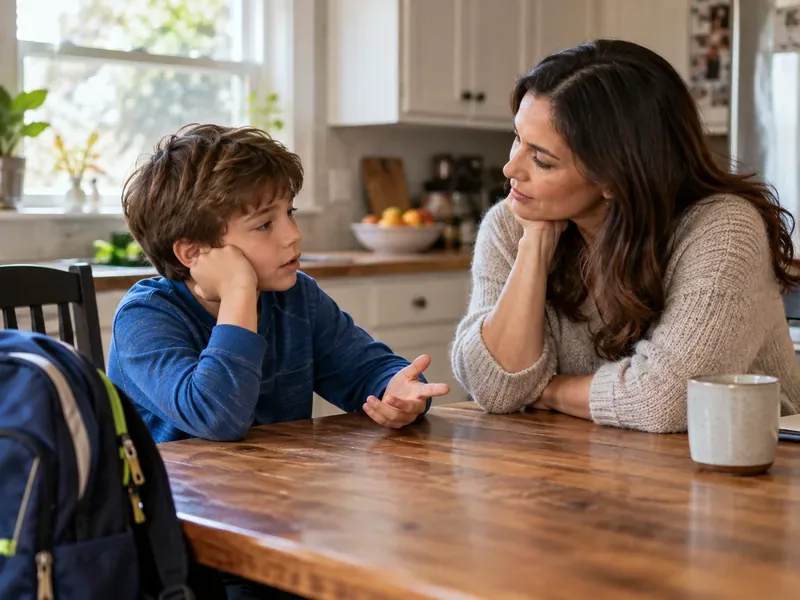
Teach kids to do chores with fewer reminders: set a clear finish line, model one task, step back, and correct only what is unsafe or unfinished.
Learn why toilet-trained children may start having pee or poop accidents again, what patterns to track, how to respond calmly, and when to call the pediatrician.
A child may repeat a reassurance question to process information, seek connection, or manage worry. Learn how to respond and when persistent anxiety needs support.
Learn how to set screen-time boundaries with predictable routines, warnings, calm follow-through, and better transitions—without turning every device handoff into a fight.
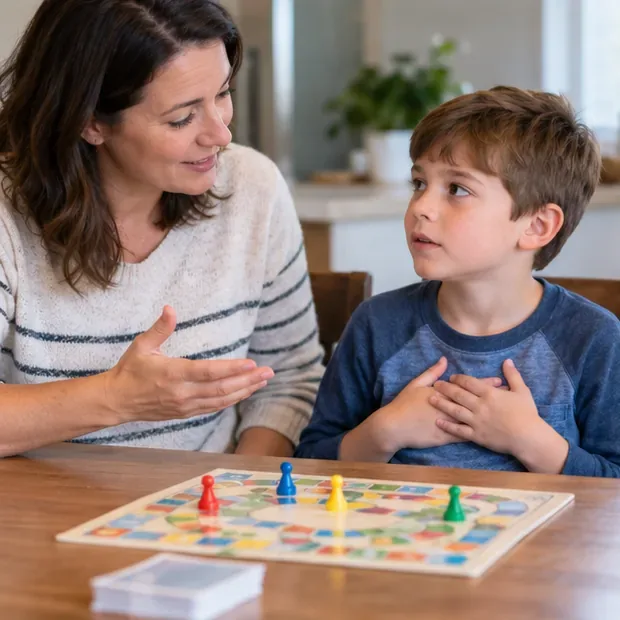
Teach children to handle losing without shame or explosive anger by validating feelings, setting behavior limits, modeling recovery, and practicing at the right difficulty.
A calm, practical plan for after-school meltdowns: reduce overload, keep limits clear, track patterns, coordinate with school, and know when to seek help.
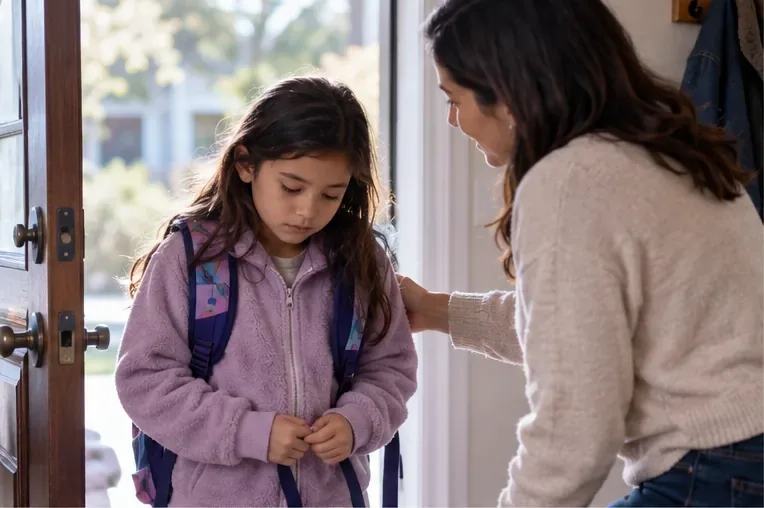
Learn how to respond when a child feels unwanted, ask supportive questions, recognize bullying or ongoing distress, and know when to seek extra help.
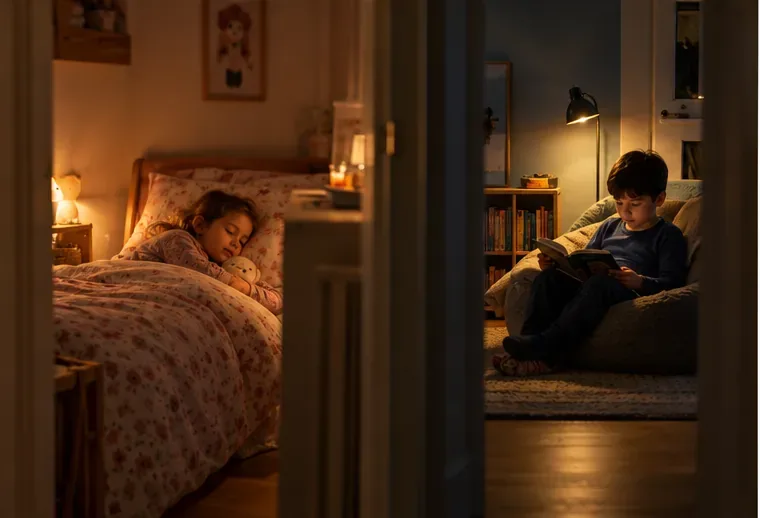
Learn how to set up a shared bedroom for siblings with different bedtimes, from planning around age-based sleep needs to creating separate sleep spaces and quiet routines.
Compare full-day, gradual, and temporary at-home return plans, plus health checks and school supports that can help a child reenter safely.
Learn when a child can try to solve a friendship problem, when adults should step in, and how to tell whether support is helping or needs to change.