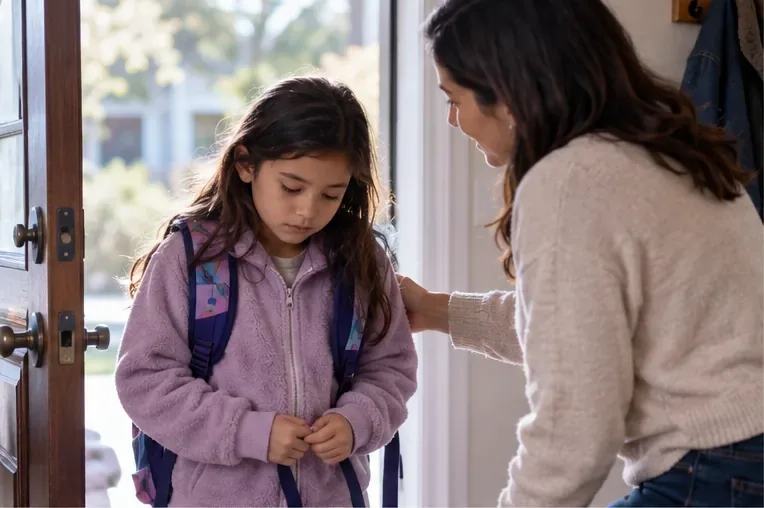
How to Teach Chores Without Redoing Every Task for Your Child

Teach kids to do chores with fewer reminders: set a clear finish line, model one task, step back, and correct only what is unsafe or unfinished.

Eating habits can be established very early in a baby's childhood. Choosing a vegetarian diet can give your baby and your whole family the opportunity to enjoy a variety of delicious, nutritious foods. So how should you feed your child and what should you pay attention to when feeding a vegetarian child?
Here are some of the benefits of a vegetarian diet:
Plant foods contain many essential nutrients, so they provide enough energy, protein (protein) and other healthy nutrients such as fiber, antioxidants, etc. vitamins and minerals.
Babies who eat fruits, vegetables, whole grains and legumes when they grow up will have a more balanced, healthier body and even longer live than babies who eat meat.
Building a nutritious plant-based diet is easier than making the same from animal products that contain saturated fat, cholesterol, and other substances that kids growing can grow up with. and get enough nutrients without them.
Teenagers raised on a vegetarian diet are more likely to maintain a healthy weight and have fewer acne, allergies and digestive problems than their meat-eating peers.
Doctors recommend solids in the middle of the first year. The best snacks are soft plant-based foods like cooked cereals, mashed fruits and cooked vegetables. Given the opportunity to try a variety of foods, toddlers and young children will often enjoy a wide variety of fruits, vegetables, grains and legumes. Children will like the above dishes more if they are involved in preparing these dishes. School-aged children are very curious about the origin of foods and will enjoy learning to cook, visit markets and garden.
Some studies suggest that the growth of vegetarian children is slower than that of non-vegetarian babies. In other words, vegetarian babies outgrow their peers at first, but they will quickly catch up later. The height and weight of vegetarians as adults are on par with those who eat meat. Interestingly, breastfed babies also gain weight more slowly than bottle-fed infants. Little growth in the early years is believed to help reduce the risk of disease later in life.
A vegetarian diet can provide very good nutrition for all stages of your child's childhood, from birth to adolescence. Of course, your newborn's nutritional needs are still best met when your baby is fed on your milk. It is a natural way to boost your baby's immunity and health.
The complex carbohydrates in whole grains, legumes and vegetables will provide your baby with ideal energy. Feeding your baby brown rice, bread made from wheat and pasta, oats, corn as well as barley, ... will increase the fiber and nutrients in your baby's diet.
Naturally, your baby still needs protein to grow. Many people are unaware that whole grains, beans, vegetables and fruits are also high in protein. The lack of protein that parents often worry about is a result of starvation or poor diet. Protein deficiencies are less common if your baby has a diet made up of a wide variety of food sources.
Very young children may need a higher amount of fat than adults. These healthy sources of fats include soy products, butter, and peanut butter. However, you should not provide too much fat to prevent obesity, heart disease, diabetes in the future for your baby.
Teach kids to do chores with fewer reminders: set a clear finish line, model one task, step back, and correct only what is unsafe or unfinished.
Learn why toilet-trained children may start having pee or poop accidents again, what patterns to track, how to respond calmly, and when to call the pediatrician.
A child may repeat a reassurance question to process information, seek connection, or manage worry. Learn how to respond and when persistent anxiety needs support.
Learn how to set screen-time boundaries with predictable routines, warnings, calm follow-through, and better transitions—without turning every device handoff into a fight.
Teach children to handle losing without shame or explosive anger by validating feelings, setting behavior limits, modeling recovery, and practicing at the right difficulty.
A calm, practical plan for after-school meltdowns: reduce overload, keep limits clear, track patterns, coordinate with school, and know when to seek help.
Learn how to respond when a child feels unwanted, ask supportive questions, recognize bullying or ongoing distress, and know when to seek extra help.
Learn how to set up a shared bedroom for siblings with different bedtimes, from planning around age-based sleep needs to creating separate sleep spaces and quiet routines.
Compare full-day, gradual, and temporary at-home return plans, plus health checks and school supports that can help a child reenter safely.
Learn when a child can try to solve a friendship problem, when adults should step in, and how to tell whether support is helping or needs to change.