What Helps a Child Return to School After a Long Absence?
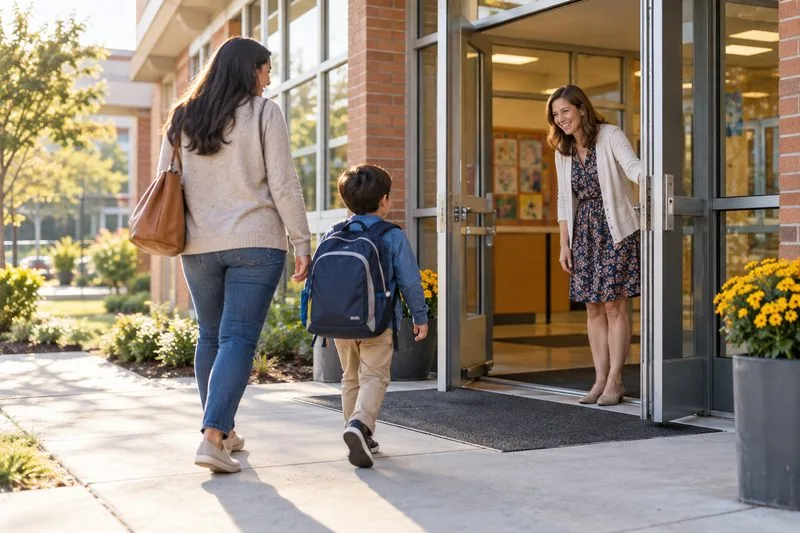
Compare full-day, gradual, and temporary at-home return plans, plus health checks and school supports that can help a child reenter safely.

When they see their baby shy and unable to express themselves, most parents often compare this with their child's peers. While you are doing this with the purpose of giving your child the determination to change themselves, it can actually be counterproductive. So, if you want your child to be better, what you need to do is find out the reasons why your child is shy and less confident.
This is because when there are many setbacks and learning difficulties, children and adolescents often feel a loss of confidence and a decline in self-esteem. Signs of a child's low self-esteem are different from one child to another and in one situation or another. Children who are used to having poor self-esteem often believe that they are a loser. Therefore, it is not surprising that children with learning problems are easy to spot because they will often show hurt when things are difficult, especially in school.
A typical example would be a child with low self-esteem participating in an activity that he or she feels good at. For example, he or she may be very confident in doing math but is bored and tired when studying literature. Unfortunately, in reality, the number of situations a baby feels confident about is too common, but there are very few (or no) situations in which he is confident.
Sometimes, the expression of inferiority is obvious, but sometimes parents have to deduce from the baby's expressions and how the baby copes with the situation.
While some babies may exhibit direct feelings of low self-confidence or sadness, others may not show it outwardly. Many children have trouble learning, believing that their mistakes and mistakes have irreversible causes, such as lack of intelligence or disability. When they do not believe in what they do, they will never succeed. Your baby will feel like walking in a tunnel with no light. Without any hope, babies are afraid of failure again.
If your baby does not try to improve the situation but only can bear it, he will be more likely to beat himself up and become less confident. The more vulnerable the baby becomes, the harder it is for him to find a way to respond to the situation. However, the new way of responding, the easier it is to react, will make your baby increasingly hopeless.
Here are the signs that the child is very self-conscious, you can refer and compare with the expression of your baby:
Children avoid participating in challenging exercises, even when they do not try to overcome challenges. This may be due to the fear of failure or the feeling of not being helped by anyone;
Babies give up soon after starting games or exercises;
They cheat or lie when they feel they are about to lose;
Babies regress, whiny or acting goofy. These expressions make the baby tease and be called by friends with stupid names that will make them feel embarrassed or even hurt;
Children like to control others, bossy or difficult to hide their feelings of helplessness, disappointment;
Babies make excuses by themselves or downplay the importance of things, preferring to blame others;
Your baby's school score drops or he loses interest in everyday activities;
Children withdraw from society, not (or little) contact with friends;
Babies often change emotions such as sadness, crying, anger, outbursts of anger, frustration, and silence;
Children blamed themselves, such as: "I can never do anything good!", "No one likes me!", "You're ugly!", "It's all my fault!" …;
Children have difficulty accepting compliments as well as comments from others;
Your baby matters other people's opinions about her;
Children are strongly influenced by negative impacts, they have attitude and show no interest in school, no / respect for others;
Your baby will always help or never help you at home.
When your baby's low self-esteem becomes sensitive to all the work and words of the people around you, so what you can help your baby overcome is becoming a companion in all difficulties. of life.
You can see more:
What do parents do when their child learns less suddenly
12 ways to help you talk with your child
10 things you should never say to kids
Compare full-day, gradual, and temporary at-home return plans, plus health checks and school supports that can help a child reenter safely.
Learn when a child can try to solve a friendship problem, when adults should step in, and how to tell whether support is helping or needs to change.
Separated parents can support better sleep by aligning a few core bedtime rules across homes without making both households identical.
A fair response to a child’s lie is calm, brief, and tied to what needs fixing. Learn how to address the lie, repair harm, and rebuild trust.
Help your child feel more prepared for a doctor visit with honest, age-appropriate explanations, simple choices, comfort items, and a practical plan for questions or procedures.
When homework runs long, track where time goes, check the task and routine, and work with the teacher if the pattern repeats. Learn what to watch for and when to ask for support.
Learn how one flexible family meal, a familiar food, and low-pressure repeat exposure can make dinner easier for picky eaters—plus when to ask a pediatrician for help.
The clocks fall back on November 1, 2026. Use a gentle bedtime plan, familiar routines, and morning light to help your child adjust.
Plan five low-cost October half-term outings with a preschooler, from libraries and museums to parks and art trails. Check dates, booking, and total costs first.
Learn how to determine your baby’s caloric needs, including the calories in breast milk and formula, to ensure your infant gets the right nutrition for healthy growth.