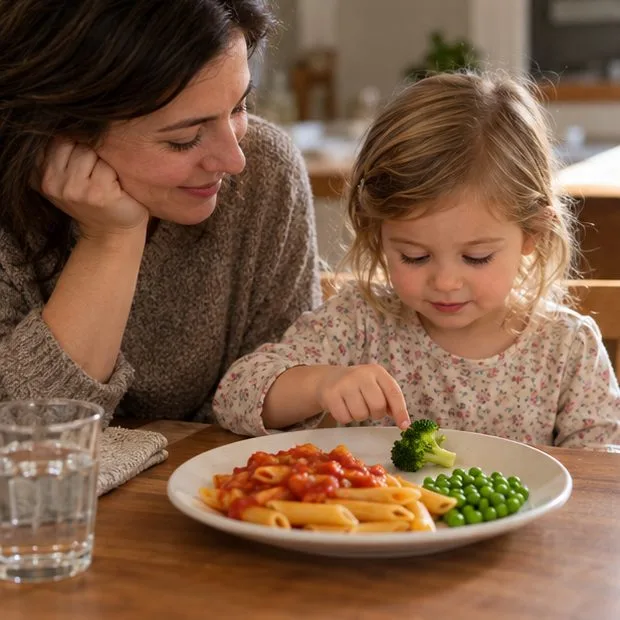
Forcing a child to eat: Habits are thought to be harmless, but not

Forcing a child to eat: Habits are thought to be harmless, but not

Have you ever forced your children to eat more porridge, rice or other food? Do you think this is harmless? You should read the harmful effects below to decide whether to stop forcing your baby to eat!

Evidence has shown that forcing babies to eat is highly undesirable, possibly even leading to anorexia, overeating or obesity as they get older. You should refer to the article below to learn about the effects and how you can help your child avoid eating disorders in the future.

Explain why parents today often force their children to eat

Parents often think that they are experienced while their children are younger and they do not know how much to eat. Another reason is that all parents want their children to have a healthier life. All of these lead to forcing their children to eat. What are the negative effects of this habit? This article will give you a list of some common influences.


Negative effects of forcing children to eat

There are many reasons why force-feeding is a bad habit. For example, force-feeding can form unhealthy eating habits in children, which can last a lifetime. Some other reasons are listed below for you to consider whether force-feeding is good or bad for your baby's development:

Children will lose control of their eating habits. This will lead to anorexia or overeating as they get older;

Force-fed children may develop an interest in candy and other unhealthy foods;

Force-feeding can lead to vomiting;

Forcing children to eat makes children lose control of their eating habits;

Children will have an eating disorder;

Children see parents have power over their eating habits, which leads to a number of different eating problems later on;

Children find themselves unable to regulate their diet and this leads to obesity;

Because children are not allowed to control what they eat, they lack the habit of self-limiting how much they should eat;

Forcing food can lose a child's appetite;

Pressure during meals makes them eat less;

Sometimes kids can vomit all the food when pressed;

Forcing children to eat can make children feel aversion to eating and drinking.

Many parents, when they see that their children are not eating, begin to worry, fear, fear that their children are sick, afraid of their children fainting without thinking about their children's needs. In addition, many people have the habit of giving children snacks before the main meal. This is the reason why the child does not want to eat. So, let the child hungry, the child will want to eat, not forcing them to eat. Be careful with the negative effects of forcing children to eat, because eating is not the only way to help children develop healthy.


 

Leave a Comment

When Should a Child Handle a Friendship Problem—and When Should Adults Step In?

When Should a Child Handle a Friendship Problem—and When Should Adults Step In?

Learn when a child can try to solve a friendship problem, when adults should step in, and how to tell whether support is helping or needs to change.

Bedtime Across Two Homes: How Separated Parents Can Keep the Rules Consistent

Bedtime Across Two Homes: How Separated Parents Can Keep the Rules Consistent

Separated parents can support better sleep by aligning a few core bedtime rules across homes without making both households identical.

What Is a Fair Consequence When a Child Lies to Avoid Trouble?

What Is a Fair Consequence When a Child Lies to Avoid Trouble?

A fair response to a child’s lie is calm, brief, and tied to what needs fixing. Learn how to address the lie, repair harm, and rebuild trust.

How to Prepare a Child for a Medical Appointment Without Increasing Fear

How to Prepare a Child for a Medical Appointment Without Increasing Fear

Help your child feel more prepared for a doctor visit with honest, age-appropriate explanations, simple choices, comfort items, and a practical plan for questions or procedures.

When Homework Takes Too Long: A Parent’s Practical Guide

When Homework Takes Too Long: A Parent’s Practical Guide

When homework runs long, track where time goes, check the task and routine, and work with the teacher if the pattern repeats. Learn what to watch for and when to ask for support.

How to Handle a Picky Eater Without Making a Separate Dinner

How to Handle a Picky Eater Without Making a Separate Dinner

Learn how one flexible family meal, a familiar food, and low-pressure repeat exposure can make dinner easier for picky eaters—plus when to ask a pediatrician for help.

How to Prepare a Child’s Bedtime for the November 2026 Clock Change

How to Prepare a Child’s Bedtime for the November 2026 Clock Change

The clocks fall back on November 1, 2026. Use a gentle bedtime plan, familiar routines, and morning light to help your child adjust.

October Half-Term With a Preschooler: Five Low-Cost Outings Worth Planning Ahead

October Half-Term With a Preschooler: Five Low-Cost Outings Worth Planning Ahead

Plan five low-cost October half-term outings with a preschooler, from libraries and museums to parks and art trails. Check dates, booking, and total costs first.

Ways to determine an infants caloric needs

Ways to determine an infants caloric needs

Learn how to determine your baby’s caloric needs, including the calories in breast milk and formula, to ensure your infant gets the right nutrition for healthy growth.

TOP 5 SMARTEST DOGS IN THE WORLD

TOP 5 SMARTEST DOGS IN THE WORLD

Discover the top 5 smartest dog breeds in the world, including Border Collie, Poodle, German Shepherd, Golden Retriever, and Doberman Pinscher. Learn about their unique traits and why they are considered the most intelligent dogs.