What Is a Fair Consequence When a Child Lies to Avoid Trouble?

A fair response to a child’s lie is calm, brief, and tied to what needs fixing. Learn how to address the lie, repair harm, and rebuild trust.

Dressing a baby is the most common way to protect your baby's immature body at birth. However, how to change clothes to make children feel comfortable is the important thing that parents need to note.
An infant's skin is extremely sensitive to clothing, but the baby cannot be in a pupil after it leaves the womb. So how do you not fussy and cry when dressed? That is considered a big challenge for many parents. The following aFamilyToday Health article will troubleshoot this issue.
The first time you try to dress your baby, your baby will be fussy. Infants get used to feeling surrounded by warm amniotic fluid from the moment they are in the womb. So, at birth or without clothing, babies will feel cold and burst into tears.
Clothing is an indispensable item for babies . In order not to hurt your baby, when buying baby clothes, choose clothes with buttons or zippers in the front, not the back. This will make it easier to dress your baby. To make changing diapers easy , choose clothes that have buttons or zippers under your feet. You should also avoid clothing that has ribbons or laces wrapped around your neck as this can lead to choking and choose the best stretch fabric.
When shopping for baby clothes, pay attention to the materials used. During the winter months, choose clothes with thick cotton, cotton, or felt. When it gets hotter, choose clothes that use soft, airy cotton.
Parents should only change clothes when absolutely necessary. When changing baby's clothes, moms put the baby on a flat surface and talk to the baby in a gentle voice. Always have toys or distractions available when you change your baby's clothes. Use your hands to pull slightly to create space instead of immediately stripping clothes. Try to pull as wide the collar and pants as possible, avoiding the baby's nose or ears. Thread your fingers through your sleeves and pull your baby's arm, instead of trying to find a way to push his or her hands over. You can also use “where is my hand? Here!" while changing clothes for the child. This game will distract your baby, distract him so you can dress him more easily. You need to be careful when pulling the zipper, so pull the zipper from the baby's body to avoid the zipper getting caught in the skin.
When it's cold, babies need to wear layers of clothes to keep them warm. You should put your baby in a jacket over his pajamas, a sleeping bag or a baby jumpsuit. In addition, you also need to pay attention to cover the baby carefully.
In the summer, when the temperature is high, you should only wear one layer of clothes. During the first few months, it will take time to tell if your baby is too cold or too hot. Your baby will have a stable body temperature if they are comfortable sleeping, provided with adequate nutrition and not fussy. You can also check your baby's skin, such as the back of the neck and tummy, to make sure he doesn't feel too hot or cold.
Your baby will begin to fussy and cry when not comfortable. If your baby is sweating, chances are you overdo it and make him feel too hot. If that is the case, take off your baby's clothes. To prevent your baby from feeling too hot or too cold, it's important to keep the room temperature consistent and comfortable.
Likewise, if the mother feels a bit cold, the baby can feel very cold. During the winter months, you should buy a jumpsuit if you want to keep your child's feet warm. When you take your baby out, let him wear a hat. Hats can help prevent the baby from losing heat through the head.
As parents get used to changing clothes for their children, the job will become easier. Your baby has to change many times a day, so the amount of clothes that you have to wash will increase significantly. Parents need to prepare mentally to wash clothes for children!
A fair response to a child’s lie is calm, brief, and tied to what needs fixing. Learn how to address the lie, repair harm, and rebuild trust.
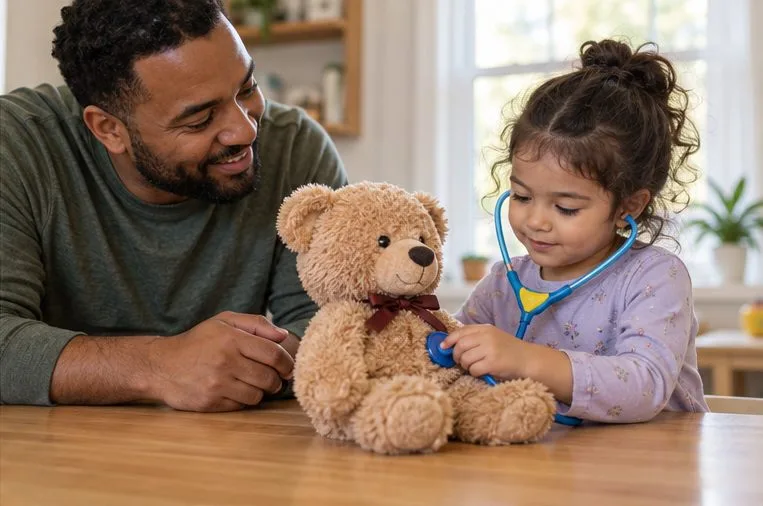
Help your child feel more prepared for a doctor visit with honest, age-appropriate explanations, simple choices, comfort items, and a practical plan for questions or procedures.
When homework runs long, track where time goes, check the task and routine, and work with the teacher if the pattern repeats. Learn what to watch for and when to ask for support.
Learn how one flexible family meal, a familiar food, and low-pressure repeat exposure can make dinner easier for picky eaters—plus when to ask a pediatrician for help.
The clocks fall back on November 1, 2026. Use a gentle bedtime plan, familiar routines, and morning light to help your child adjust.
Plan five low-cost October half-term outings with a preschooler, from libraries and museums to parks and art trails. Check dates, booking, and total costs first.
Learn how to determine your baby’s caloric needs, including the calories in breast milk and formula, to ensure your infant gets the right nutrition for healthy growth.
Discover the top 5 smartest dog breeds in the world, including Border Collie, Poodle, German Shepherd, Golden Retriever, and Doberman Pinscher. Learn about their unique traits and why they are considered the most intelligent dogs.
Discover 7 nutritious and delicious ways to cook egg porridge for babies, including recipes with cheese, pumpkin, tomato, and more. Learn how to prepare baby-friendly egg porridge with our expert tips.
After a series of medical measures they obtained a complete human vascular system profile.