How to Teach Chores Without Redoing Every Task for Your Child

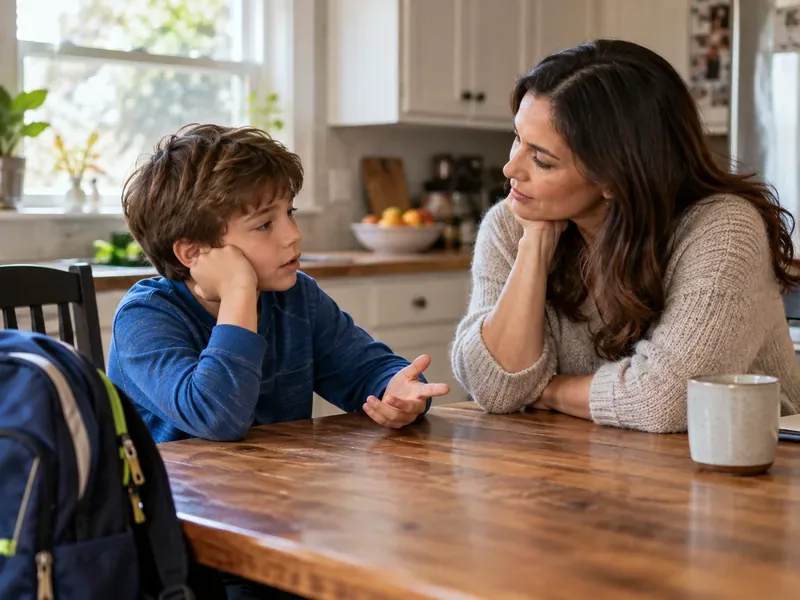
Teach kids to do chores with fewer reminders: set a clear finish line, model one task, step back, and correct only what is unsafe or unfinished.

The lack of physical exercise as well as inadequate diet leads to overweight and obesity in children. Practicing healthy habits to prevent this situation is always the concern of many parents.
Today, children are at risk of obesity. The development of technology makes children become more and more passive, along with a diet high in calories from fatty milk, fast food somewhat makes parents headache in controlling their child's weight. The following article will reveal to you the causes of obesity as well as therapies to effectively prevent this condition.
Children are overweight and obese for many reasons. Factors related to genetics, physical activity, and diet are common causes of this condition. In addition, health-related problems such as hormone disorders also have the risk of causing overweight and obesity. You can give your child a blood test and a physical exam to find out the cause of obesity.
Although their weight is partly influenced by genetics, not all children whose parents have a history of obesity will be overweight. Parents with a history of obesity often affect other characteristics of children's eating and resting habits more.
Children's diet and play play an important role in determining weight. Besides, inactivity is also a factor contributing to the disease. Instead of going out to run and play, children tend to be glued to television screens or mobile devices to play games or watch cartoons more. The development of invisible technology generally negatively affects a child's health and weight.
Children who are obese are at a higher risk of developing conditions such as:
High cholesterol;
High blood pressure;
Early stage heart disease;
Diabetes;
Bone and joint problems;
Skin conditions such as rashes, fungal infections and acne.
To know if your child is overweight, obese or not, you should see a doctor for a proper diagnosis. The doctor will measure the BMI (body index) of the child, to see how the child's weight is against the standard. In determining the BMI, the doctor will also consider factors such as the child's age and growth.
There are many ways for parents to control childhood obesity, including:
Respect your child's appetite. However, there is no need to force your child to finish the meal when he is full;
Limit your child's consumption of fast foods and foods with too much sugar;
Develop a nutritious diet for children with low calories;
Let your child absorb enough fiber ;
Limit the purchase and use of high calorie foods;
Actively allow your child to participate in physical activities (such as walking, playing active games outdoors, ...);
Limit your child watching TV for too many hours;
Do not give candy or sweets to your child;
Try to practice baby sugar-free milk habits
There are many ways to help families form healthy habits, prevent overweight and obesity. Being active in getting your family to participate in physical activities is one of them. Instead of encouraging your child to participate in physical activity alone, organize field trips and mountain climbing with family so that your child feels not alone and the physical training process becomes easy. happier.
Also, limit your family's TV time, instead take a walk together after eating, talking about what happened during the day.
Practicing healthy family habits not only helps prevent obesity, but also creates opportunities for your family to come together even more. So don't hesitate to start now!
Teach kids to do chores with fewer reminders: set a clear finish line, model one task, step back, and correct only what is unsafe or unfinished.
Learn why toilet-trained children may start having pee or poop accidents again, what patterns to track, how to respond calmly, and when to call the pediatrician.
A child may repeat a reassurance question to process information, seek connection, or manage worry. Learn how to respond and when persistent anxiety needs support.
Learn how to set screen-time boundaries with predictable routines, warnings, calm follow-through, and better transitions—without turning every device handoff into a fight.
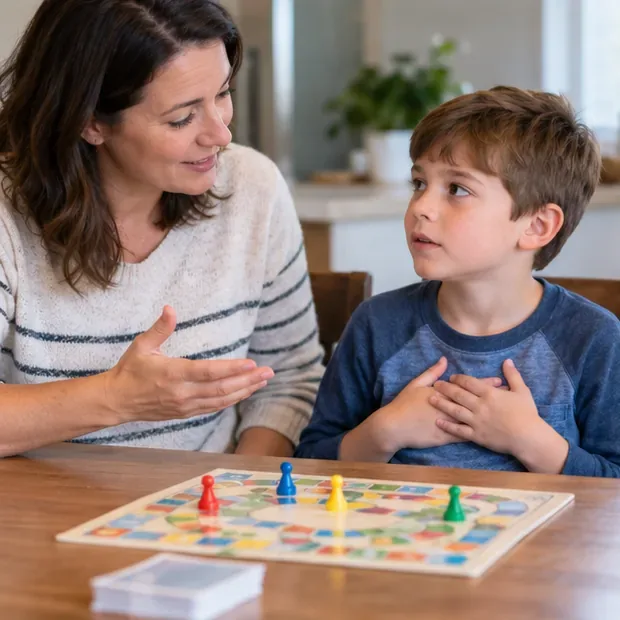
Teach children to handle losing without shame or explosive anger by validating feelings, setting behavior limits, modeling recovery, and practicing at the right difficulty.
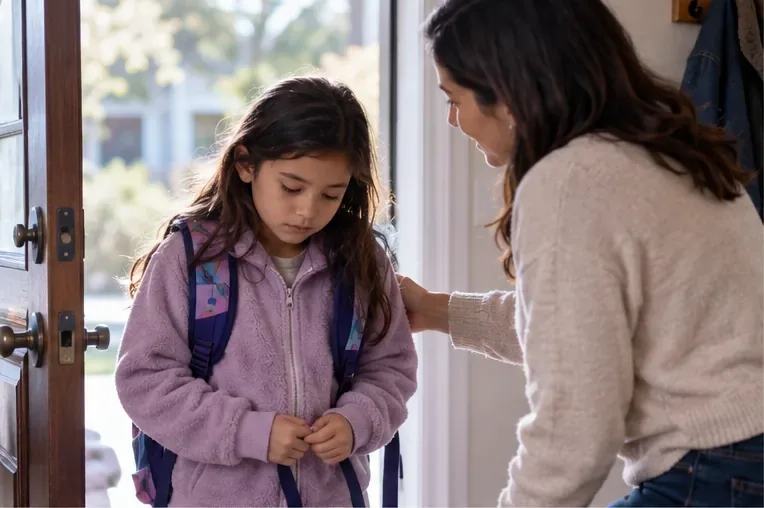
A calm, practical plan for after-school meltdowns: reduce overload, keep limits clear, track patterns, coordinate with school, and know when to seek help.
Learn how to respond when a child feels unwanted, ask supportive questions, recognize bullying or ongoing distress, and know when to seek extra help.
Learn how to set up a shared bedroom for siblings with different bedtimes, from planning around age-based sleep needs to creating separate sleep spaces and quiet routines.
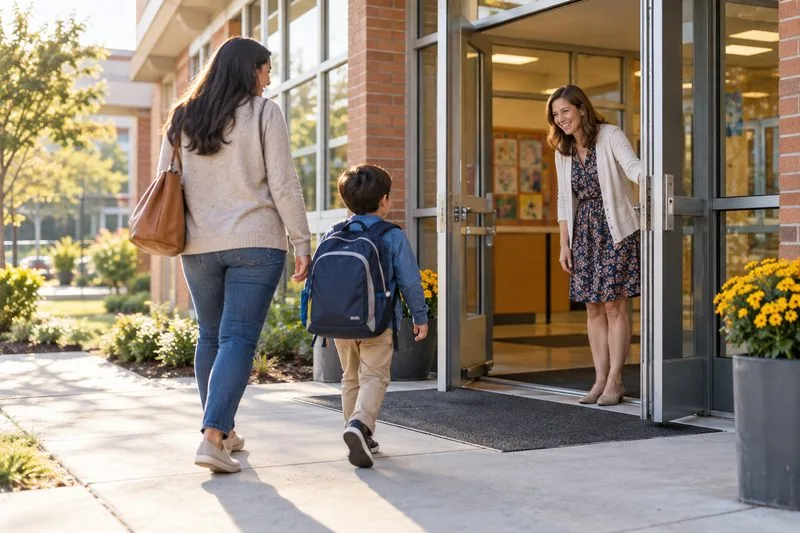
Compare full-day, gradual, and temporary at-home return plans, plus health checks and school supports that can help a child reenter safely.
Learn when a child can try to solve a friendship problem, when adults should step in, and how to tell whether support is helping or needs to change.