What Helps a Child Return to School After a Long Absence?

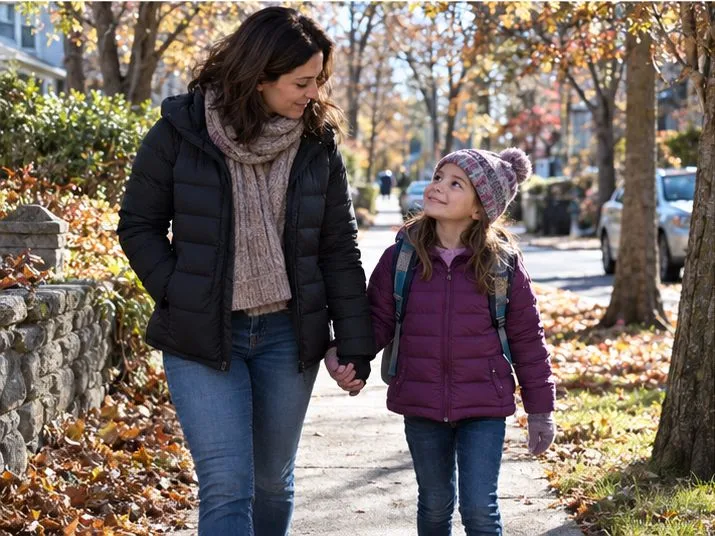
Compare full-day, gradual, and temporary at-home return plans, plus health checks and school supports that can help a child reenter safely.
When your baby shows signs of pre-puberty, you know your baby is about to enter a new stage of development. At this point, you need to be by your side to support, motivate and guide your child in essential things.
Your baby is growing and has the first signs of pre-puberty. Sometimes these changes make the baby confused and embarrassed. So what is the cause of the child's changes during this period? Let aFamilyToday Health explore issues related to this important period to better raise your baby.
Pre-puberty is a child's development that takes place before a baby enters puberty . Usually in girls, pre-puberty occurs when the baby is about 8 years old. In boys, this happens later, usually after 9-10 years of age.
Pre-puberty begins when the hypothalamus (located in the brain) releases the hormone that releases gonadotropin (GnRH). When GnRH stimulates the pituitary (a small gland under the brain that makes hormones that control other glands in the body), it produces two hormones: the luteum hormone (LH) and the follicle-stimulating hormone (FSH). These two hormones prompt the male and female genitals to begin producing sex hormones that induce pre-puberty signals in babies.
In girls, pre-puberty usually appears around 8 years old. The first sign of pre-puberty in girls is that the breast tissue is starting to develop . Your baby will feel tightness around the breast, the breast tissue will grow. This makes the baby feel tightness or pain in the breast area. Usually the breasts are unevenly developed. Let your baby know that this is a normal phenomenon for a growing child so that he or she will not worry. At this stage, some girls are interested in the development of their breasts, but others are shy.
The second sign that your baby is entering pre-puberty is that the hair in private areas such as armpits, pubic ... gradually appears. At this stage, the coat is long, thin and pale. Most babies are very curious about the appearance of hair in the genital area.
The next sign is the presence of vaginal discharge. This clear, odorless mucus is a normal physiological sign. This sign shows that the child's sexual function is gradually perfecting to be able to conceive and be a mother in the future. Babies should not be worried about vaginal discharge unless they smell or make them itchy.
About 6 months after your baby has vaginal discharge, the first period will appear. At this stage, you should talk to your baby, let him know what is going to happen when he is growing, teach him how to keep his personal hygiene, how to use tampons ...

Boys' pre-puberty is slower than girls, about 9-11 years old. When a child enters pre-puberty, the hairs in private areas such as armpits, pubic ... gradually appear. At this time, the hair is not dark but long and thin. Mustache gradually appears, but very thin and sparse. Some boys enjoy shaving.
In pre-puberty, the breast tissue of about 50% of boys can also develop, making them uncomfortable. The temporary development of breast tissue in boys is called gynecomastia and usually goes away within 6 months.
The next sign is the enlargement of the scrotum, the color of the scrotum gradually darkening while the penis shows no signs of change.
It is very important to talk to your child about what they were going through when they entered pre-puberty. Usually people of the same sex will easily talk and share secret things with each other. So talk to your child about this if your baby is a girl. On the contrary, if your baby is a boy, ask your husband or a relative of the opposite sex in your family to talk to them.
If your baby boy is interested in shaving, teach him how to shave, and clean the razor clean after each shave. Please note that your baby does not share a razor to prevent the risk of infection.
Talk with your children about changes in body, guide them to do personal hygiene comfortably, in the spirit of sharing secrets, avoiding imposition. You should help your baby form a habit of washing hands before bathing, washing his face, and personal hygiene ... in order to limit the infection of pathogenic bacteria.
You can instruct your baby on the correct personal hygiene, frequent baths to limit body odor. With girls, please instruct them not to douche the vagina to avoid bacterial infections, to clean the genitals according to the principle from front to back. Let your baby wear a shirt when going to school or participating in outdoor activities, exercising or sports.
Children in the pre-puberty stage are very young, you should practice your child the habit of dressing discreetly, not changing when there are many people ... to avoid the risk of abuse.
Compare full-day, gradual, and temporary at-home return plans, plus health checks and school supports that can help a child reenter safely.
Learn when a child can try to solve a friendship problem, when adults should step in, and how to tell whether support is helping or needs to change.
Separated parents can support better sleep by aligning a few core bedtime rules across homes without making both households identical.
A fair response to a child’s lie is calm, brief, and tied to what needs fixing. Learn how to address the lie, repair harm, and rebuild trust.
Help your child feel more prepared for a doctor visit with honest, age-appropriate explanations, simple choices, comfort items, and a practical plan for questions or procedures.
When homework runs long, track where time goes, check the task and routine, and work with the teacher if the pattern repeats. Learn what to watch for and when to ask for support.
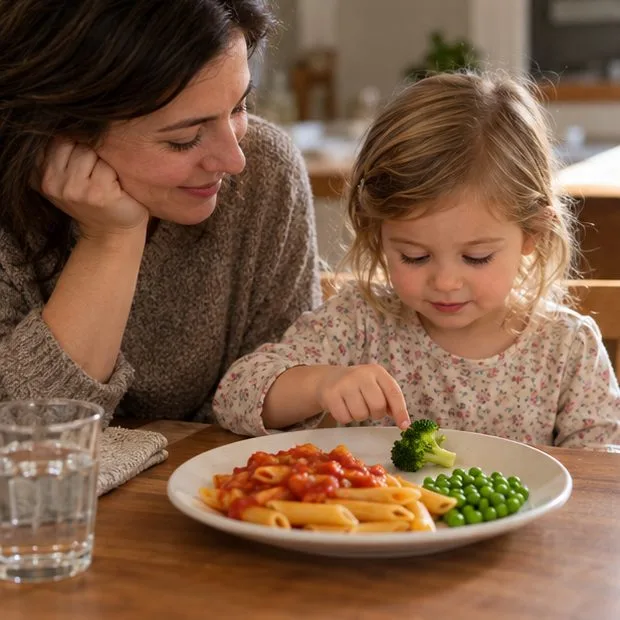
Learn how one flexible family meal, a familiar food, and low-pressure repeat exposure can make dinner easier for picky eaters—plus when to ask a pediatrician for help.
The clocks fall back on November 1, 2026. Use a gentle bedtime plan, familiar routines, and morning light to help your child adjust.
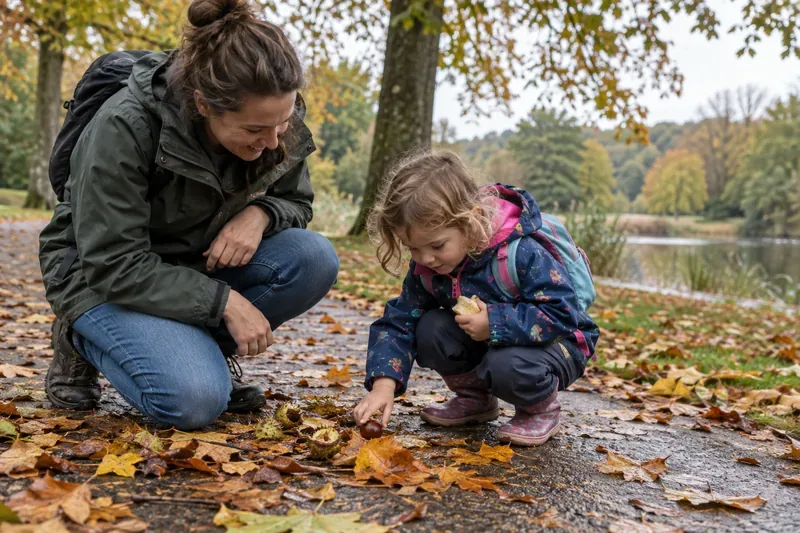
Plan five low-cost October half-term outings with a preschooler, from libraries and museums to parks and art trails. Check dates, booking, and total costs first.
Learn how to determine your baby’s caloric needs, including the calories in breast milk and formula, to ensure your infant gets the right nutrition for healthy growth.