What Helps a Child Return to School After a Long Absence?

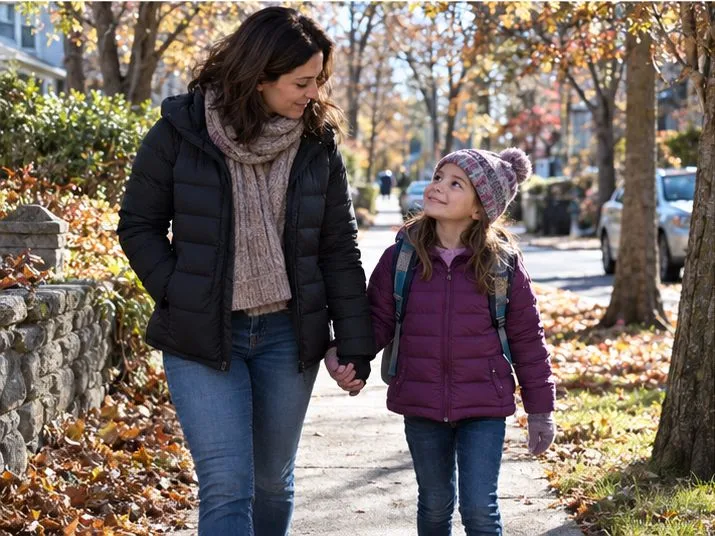
Compare full-day, gradual, and temporary at-home return plans, plus health checks and school supports that can help a child reenter safely.
Anger is normal and it is experienced by everyone. Therefore, parents need to teach children how to calm down when angry from a young age. When growing up, this skill will help children a lot in work and life instead of wasting frustrating and annoying time.
When you are angry, whether you are an adult or a child, you will probably have bad behavior and words. So, if you do not know how to control emotions when angry, it will affect the building of relationships in the future of children. Social relationships are one of many important factors that bring people happiness. Without learning to control emotions, children will lose a very important skill in life.
Here are 3 things to keep in mind before teaching your child how to calm down when angry:
Teach children when they are not angry: Do not teach these skills when the child has an anger attack because it will not work. Talk to your child how to calm down when angry after they have calmed down or in casual conversations.
You are a model for children: Remember that children learn everything from what you do. So, be careful with your own manners.
Remind: If your child is angry and forgets to use the skills you teach, gently remind them of these skills after they have controlled their emotions. This will help your child get used to and remember what you have taught.
You can come up with a place to calm down and give it a name like a "relaxation spot" or whatever you like. It could be a bedroom, a sofa in the yard or a sofa in the living room. You can add a few objects such as books, pictures, crayons ... to help your child relax. First, however, you have to model your child. When you are angry tell your child: "Parents need to go to a relaxing place for a few minutes to calm down". Your child will learn this from you.
Going out and exercising is a great way to calm down. According to research, children with attention deficit hyperactivity (ADHD) exercising for 10 minutes are much more beneficial than medication. Not talking for 5 - 10 minutes while exercising is a great way to calm down.
Deep breathing can help calm your body physiologically, leading to a relaxed mind. So when your child is angry, you can ask him to do this, it will help him calm down quickly.

When we are angry, a moment of silence will help block out bad words and actions we do when we lose control. Counting the numbers 1 through 10 will give your child some time to calm down when angry.
Encourage your child to sing a simple song or whistle to a tune in anger. If not, collect or ask your child to compile a list of soothing songs and when he gets angry, encourage him to listen to a relaxing song.
You can teach children to control their emotions by asking them to think of funny things like a joke, a funny picture ... Smiles can replace negative emotions and help them overcome feelings. get angry easily.
Here's one simple thing you can do to help your child calm down. Hugging and soothing, a loving embrace will help them calm down effectively.
Just sit still, drink a glass of water or eat a piece of fruit, your baby's mood will be balanced. Encourage your baby to try it.
Encourage children to say their anger with reasons for it, for example: “I feel angry because my parents didn't let me watch TV” or “I feel angry when my friend Minh refusing to play with your children ”… Giving words to your feelings is an effective way to calm down when you are angry.
Discuss with your child and let them decide how best to help manage their emotions when they are angry. This is an extremely important life skill that you should teach your children early. It will help children build and develop better relationships in the future.
Compare full-day, gradual, and temporary at-home return plans, plus health checks and school supports that can help a child reenter safely.
Learn when a child can try to solve a friendship problem, when adults should step in, and how to tell whether support is helping or needs to change.
Separated parents can support better sleep by aligning a few core bedtime rules across homes without making both households identical.
A fair response to a child’s lie is calm, brief, and tied to what needs fixing. Learn how to address the lie, repair harm, and rebuild trust.
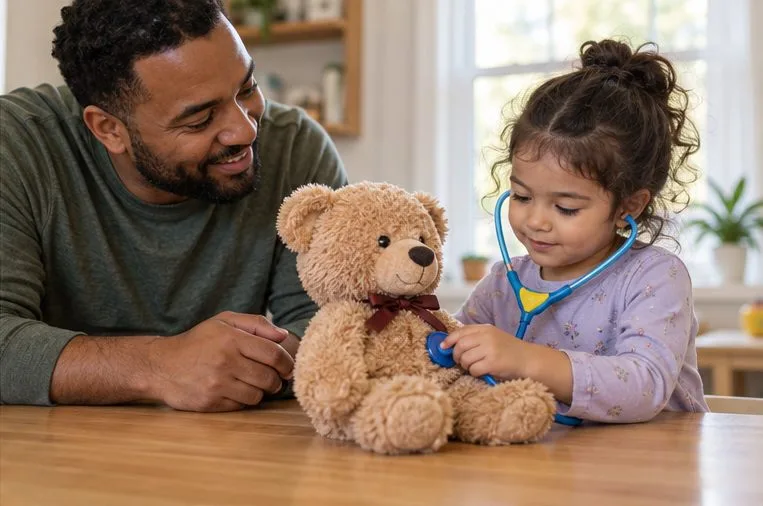
Help your child feel more prepared for a doctor visit with honest, age-appropriate explanations, simple choices, comfort items, and a practical plan for questions or procedures.
When homework runs long, track where time goes, check the task and routine, and work with the teacher if the pattern repeats. Learn what to watch for and when to ask for support.
Learn how one flexible family meal, a familiar food, and low-pressure repeat exposure can make dinner easier for picky eaters—plus when to ask a pediatrician for help.
The clocks fall back on November 1, 2026. Use a gentle bedtime plan, familiar routines, and morning light to help your child adjust.
Plan five low-cost October half-term outings with a preschooler, from libraries and museums to parks and art trails. Check dates, booking, and total costs first.
Learn how to determine your baby’s caloric needs, including the calories in breast milk and formula, to ensure your infant gets the right nutrition for healthy growth.