What Helps a Child Return to School After a Long Absence?
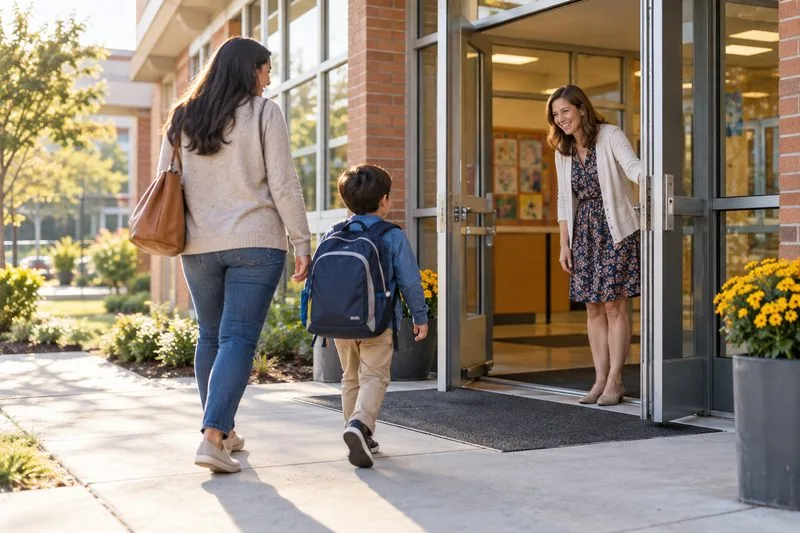
Compare full-day, gradual, and temporary at-home return plans, plus health checks and school supports that can help a child reenter safely.
You are raising a small child and are a little concerned, wondering about the child's developmental milestones in the first year of life to assess whether your baby is developing at the correct age?
Your baby has started to crawl / walk and is very excited to explore every object and nook in the house every time. This makes you worry about your child's safety but do not know what to do to ensure the safety of your baby in your own home. If you are having this question, the sharing in the following articles of aFamilyToday Health will bring a lot of useful information for you.
Young children do not stop growing every day, their motor skills also gradually improve according to each stage of development. Each age, children reach a certain milestone of motor development.

At 3 months of age, your baby is learning to flip like other babies so he can turn himself around. However, most babies in this stage can turn upside down but are not able to turn their backs over. Looking closely, you can see that every time he turns, he tries to find a way to raise his head so he can look around. When they get too tired, they will drop their heads and scream for support.
At this stage, many babies turn their heads upright for a short period of time and gradually learn to control head movements.

Children 4 months old often know how to reach out and grab anything within reach of them. Therefore, hang small toys around your baby's bed so that your baby can play with them.
During this stage, many babies are able to flip (flick) very well, to be able to pull their hands out of their stomachs and turn themselves back in the recumbent position or back. Many 4-month-olds can also sit and hold their heads upright with adult support.
About 5 months old, most babies know how to turn over very well and hold their heads up and look around.
In addition, the baby can also move out of the bed by rolling and rolling. Children 5 months old can sit with support, babies can use their hands to balance themselves and hold objects for their mouths.
When your baby is 6 months old, you can put your baby to sit without support and he can use his hands to balance himself.
At this stage, many babies started to learn to crawl, but instead of crawling, they often crawled backwards. Babies tend to grab their feet and put them in their mouths while lying down and play.
This is also the stage when many babies will have their first teeth, so they usually put anything they can hold in their mouth. Therefore, to ensure the hygiene of the child, parents should regularly clean toys, buy toys suitable for their age.
With a 7-month-old baby, motor skills are already relatively well developed and you can see your baby sitting without support or leaning for longer than before. Many babies in this stage are able to sit on their own without assistance and crawl forward very skillfully.
Crawling, rotating, rolling, holding objects to play or put in their mouth ... are what babies in this age group do.
If you hold your hand or support your armpits, the 7-month-old baby can also stand for a short time.
As your baby moves through the 8th month, you may notice that he performs more complex poses and movements than before. When sitting, babies know how to turn to the right or left, lean over to get things and can hold on a certain point to try to stand up.
Many babies in this age group can even stand and dance to good music when encouraged. A few babies may already be able to move their feet sideways to find ways to walk, but their steps are weak and quite twisted.
Your baby will be able to crawl around the house when he reaches 9 months of age. Many babies can step forward if they are supported or used a walker or cling to furniture, furniture and slowly walk.
Therefore, if your baby is in this stage, you should rearrange the house, keep the items at risk of accident out of reach of children, to avoid any unfortunate cases.

At 10 months of age, the 10-month-old's muscles are relatively developed, so they can perform complex movements such as standing for a while, clinging to the furniture or the bedside to walk. .
Children at this stage can crawl very quickly. In particular, some babies can even walk on their own.
Most 11 months old babies are able to take the first steps on their own. Your baby will be able to stand up and step forward by himself. Many children already know how to hold a spoon to their mouth quite skillfully while most babies are still quite clumsy.
For most 11-month-olds, it is still difficult to walk on their own, so they can take a few steps and then sit down or crawl quickly.
By the time they turn 1 year old, most babies have developed a full range of motor skills and they can sit, crawl, stand and walk easily without your help.
Many children in this age group love to hold a spoon to scoop food into their mouth. However, the movements of the child are still quite clumsy.

Young children are very active and curious, so you must always keep an eye on them especially during the crawling stage or learning to walk. The fact that there are many items in your cozy home can become a danger to your child. Therefore, in order to minimize the possible unfortunate levels, you should:
♥ Choose to buy safe, quality toys and don't forget to clean your toys often.
♥ Clean and tidy house.
♥ Install bars on all windows in your house.
♥ The lockers and shelves should be fixed to the wall, to avoid the case where the handrails on it is to fall the cabinet or shelf and be on top.
♥ Sharp corners of furniture, cabinets ... need to be wrapped to limit injury if accidentally bumped.
♥ Use a power outlet plug tool to block power outlets within reach of children.
♥ Do not place a child's bed or crib near window blinds or curtains to prevent them from playing with them and choking.
♥ Use carpets in the children's play area and non-slip rugs in the restroom to minimize injury if your child falls accidentally.
♥ Install bars separating the kitchen area, stairs and doors.
♥ Always close the toilet door, empty the pots.
♥ Dangerous items such as knives, scissors, shampoo, shower gel and many other cosmetics… should be stored out of reach of children.
♥ Move bonsai pots that have the potential to cause harm to your baby out of the living area, such as: ten thousand, oleander, cactus ...
Hopefully, the information that aFamilyToday Health shared above has partly helped you visualize clearly about the child's developmental milestones, measures to keep children safe so that there is a better direction to care for the baby.
Compare full-day, gradual, and temporary at-home return plans, plus health checks and school supports that can help a child reenter safely.
Learn when a child can try to solve a friendship problem, when adults should step in, and how to tell whether support is helping or needs to change.
Separated parents can support better sleep by aligning a few core bedtime rules across homes without making both households identical.
A fair response to a child’s lie is calm, brief, and tied to what needs fixing. Learn how to address the lie, repair harm, and rebuild trust.
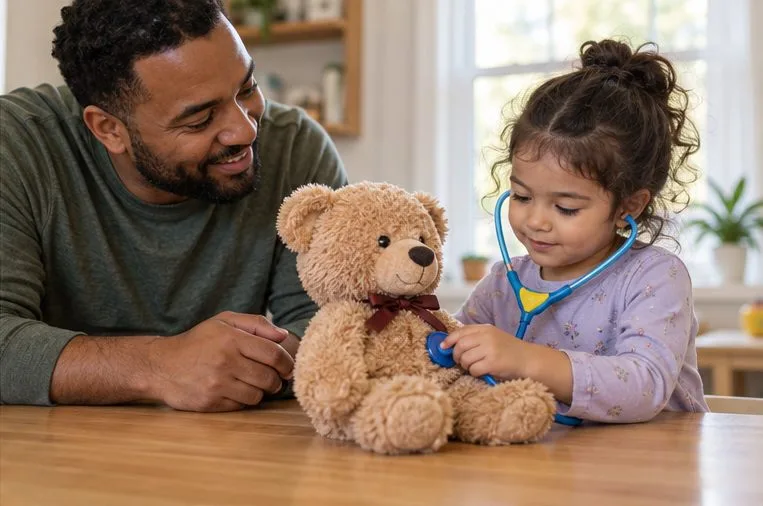
Help your child feel more prepared for a doctor visit with honest, age-appropriate explanations, simple choices, comfort items, and a practical plan for questions or procedures.
When homework runs long, track where time goes, check the task and routine, and work with the teacher if the pattern repeats. Learn what to watch for and when to ask for support.
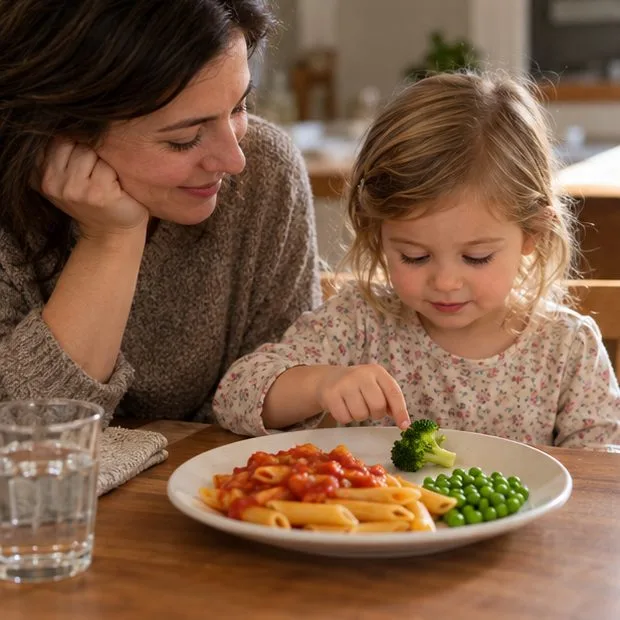
Learn how one flexible family meal, a familiar food, and low-pressure repeat exposure can make dinner easier for picky eaters—plus when to ask a pediatrician for help.
The clocks fall back on November 1, 2026. Use a gentle bedtime plan, familiar routines, and morning light to help your child adjust.
Plan five low-cost October half-term outings with a preschooler, from libraries and museums to parks and art trails. Check dates, booking, and total costs first.
Learn how to determine your baby’s caloric needs, including the calories in breast milk and formula, to ensure your infant gets the right nutrition for healthy growth.