What Helps a Child Return to School After a Long Absence?
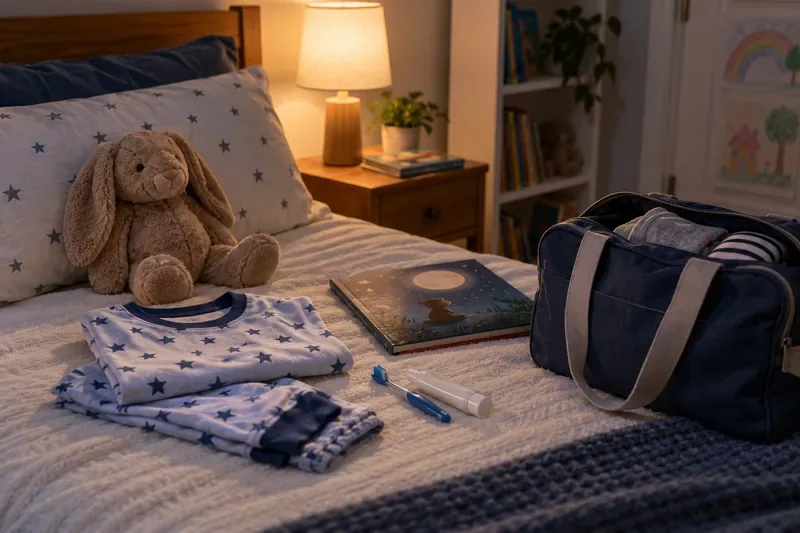
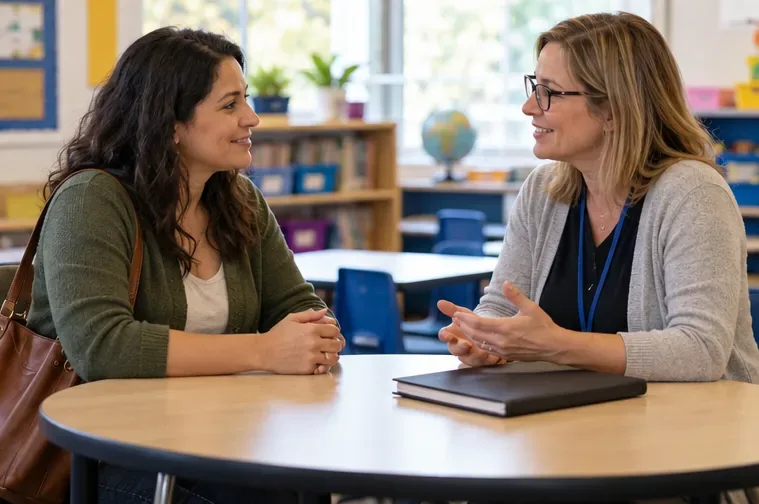
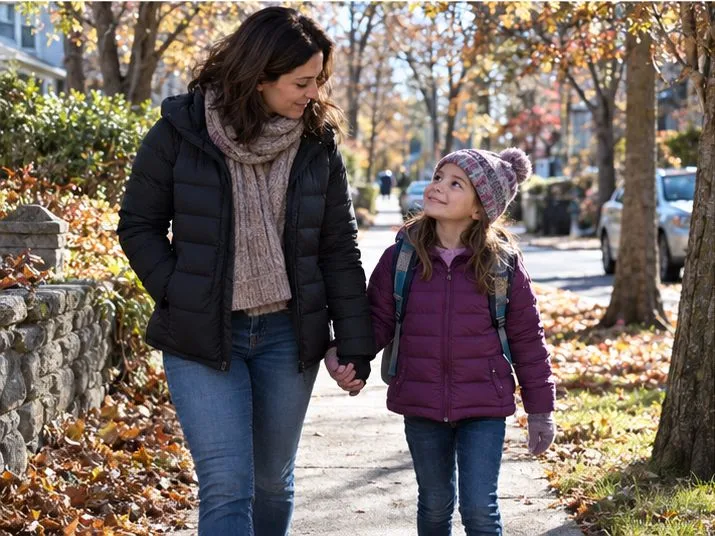
Compare full-day, gradual, and temporary at-home return plans, plus health checks and school supports that can help a child reenter safely.
Child sexual abuse is a painful problem in the whole society. As a parent, you need to act right away so your baby doesn't fall victim to the next.
Every day, information about child sexual abuse appears "soaked" in the mass media, making anyone shiver. We always find ways to protect our children, but we do not expect that our own misunderstandings about this criminal act can put our children in danger. Please join aFamilyToday Health to continue to share the following to see if you need to change your mind today on this issue.
According to experts, sexual abuse in children includes touch and non-touch. The touch actions include:
Touch the genitals or sensitive parts of a child to satisfy lust.
Force the child to touch someone's genitals, play erotic games, or place objects or body parts (such as fingers, tongue or penis) inside the vagina or mouth or the child's anus to satisfy lust.
The non-touch action includes:
Show your child pornography or books
Deliberately show the child the adult genitals
Take pictures of the child in erotic poses
Encourage the child to watch or listen to erotic actions
Watch your child undress or peek when they take a bath.
Sexual abuse is a very broad concept that, if accidentally misunderstood, you may overlook the necessary precautions you need to protect your child.
The reality is the exact opposite of this thought. Boys are as vulnerable to sexual abuse as girls, and the proportion of boys being abused is even higher than that of girls. However, the sad thing is that most of the abused boys are negligent, subjective, and do not think that they will fall into this situation because their parents do not educate this early. According to statistics from the Ministry of Public Security, more than 53% of the victims of sexual abuse are boys and 47% are girls.
Anyone can be an abuser. Do not assume that only strangers will hurt your child. The child will not be suspicious of family members and friends but if suddenly the child is away from a family member, find out why. Because according to statistics, 50% of abusers are those with close relationships or trustworthy children such as relatives, friends of family or neighbors ...
Children can be at risk of sexual abuse anywhere, on the playground, at school or even in their own home. There are many forms of child sexual abuse perpetrators: some are 14-15 years old, but some are over 60 years old. Even in the family, children can be sexually abused by their biological father and grandfather for many years. The sexual abuser can also be the child's teacher - who almost all parents entrust completely out of respect and absolute trust.
According to data published by the National Telephone Exchange for Child Protection 111: In 2017-2018, 86% of children abused by perpetrators were relatives and acquaintances. In which, acquaintances and neighbors account for 59%; teachers, school staff is 6%; Family members such as biological father, stepfather, uncle, uncle, brother, cousin ... account for over 21%.

Most sexual abusers are men, but there are also women. So don't just keep an eye on the men, pay attention to the women, especially those who contact your children.
Through research shows that all children in the community are at risk of sexual abuse, including children living in poor families or well-off families. Not only girls, but also boys, can become victims of sexual abuse. Worth mentioning, after being abused, victims often hide and dare not talk about what happened to them.
Children do not know what abuse, especially sexual abuse. Not only that, they are also taught to respect adults or be threatened by perpetrators, so they will never tell you what they have encountered. Therefore, you need to pay attention to observe the child's behaviors and gestures to promptly intervene.
Here are some suspicious signs that warn a child who may have been a victim of sexual abuse that you need to look out for right away:
Use toys or other objects for sexual or indecent actions
Have nightmares , problems with sleep
Become alienated or clingy
Being strangely secret
Unexplainable sudden changes in personality, mood swings, and low self-esteem
Return to childhood behaviors, such as bed wetting
Suddenly afraid of certain places or certain people
Anger outburst
Changes in eating habits
Use adult words about body parts of unknown origin
Talk about a friend who is new, older and has unknown money / gifts
Self harm (cutting, burning or otherwise harmful to the body)
Body signs, for example, unidentified bruises or swelling around the genitals or mouth, sexually transmitted diseases , or pregnancy
Often in hiding
Don't want to be alone with a child or someone.
The fact that a child has only one sign cannot conclude whether a child has been sexually abused. But if your child has some of the signs listed above, perhaps you should start asking questions and consider seeking help.
In addition to changing the above thinking, parents also need to educate children on sex early. Young children now develop very early, plus the influences from movies, books ... so you need to teach them early self-defense skills and personal protection for them. In addition, you should also explain to your child about behaviors at risk of sexual abuse, as well as skills to protect themselves in urgent situations.
Compare full-day, gradual, and temporary at-home return plans, plus health checks and school supports that can help a child reenter safely.
Learn when a child can try to solve a friendship problem, when adults should step in, and how to tell whether support is helping or needs to change.
Separated parents can support better sleep by aligning a few core bedtime rules across homes without making both households identical.
A fair response to a child’s lie is calm, brief, and tied to what needs fixing. Learn how to address the lie, repair harm, and rebuild trust.
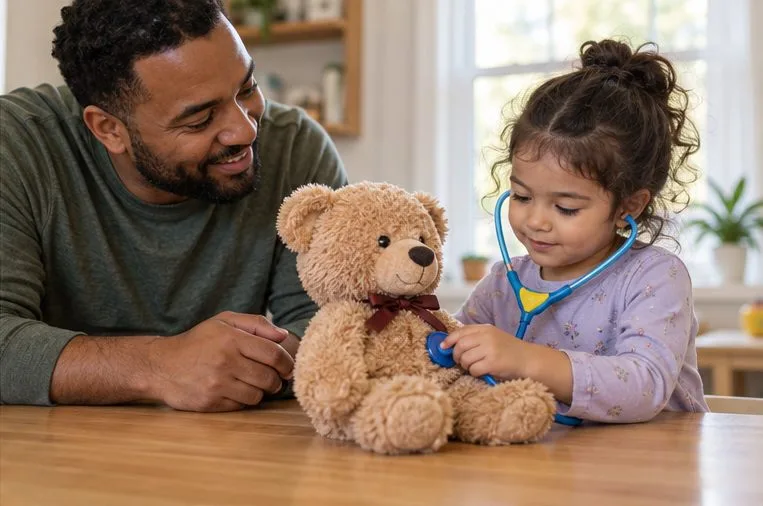
Help your child feel more prepared for a doctor visit with honest, age-appropriate explanations, simple choices, comfort items, and a practical plan for questions or procedures.
When homework runs long, track where time goes, check the task and routine, and work with the teacher if the pattern repeats. Learn what to watch for and when to ask for support.
Learn how one flexible family meal, a familiar food, and low-pressure repeat exposure can make dinner easier for picky eaters—plus when to ask a pediatrician for help.
The clocks fall back on November 1, 2026. Use a gentle bedtime plan, familiar routines, and morning light to help your child adjust.
Plan five low-cost October half-term outings with a preschooler, from libraries and museums to parks and art trails. Check dates, booking, and total costs first.
Learn how to determine your baby’s caloric needs, including the calories in breast milk and formula, to ensure your infant gets the right nutrition for healthy growth.