How to Teach Chores Without Redoing Every Task for Your Child
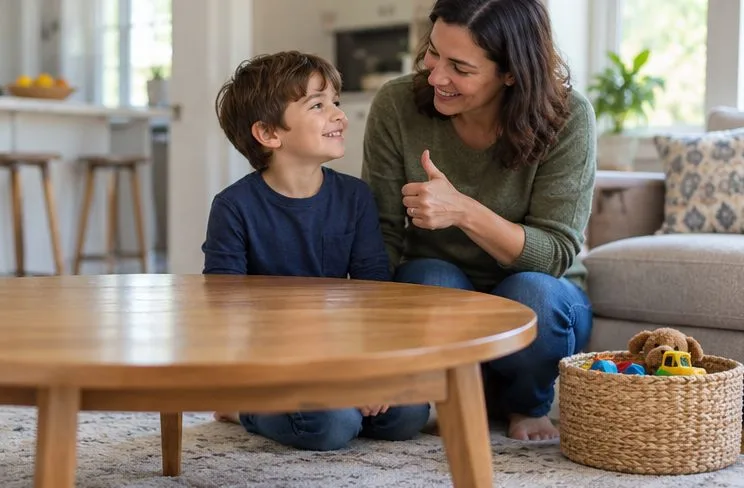
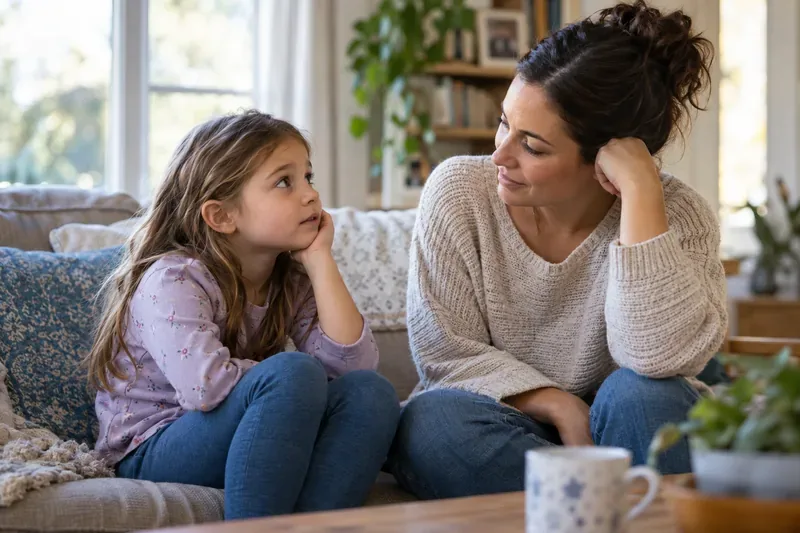
Teach kids to do chores with fewer reminders: set a clear finish line, model one task, step back, and correct only what is unsafe or unfinished.
Physical development in young children usually happens very quickly, especially from birth to 2 years old. As a parent, you need to have a good understanding of this process to know if your baby is developing normally or not.
The physical development of children in the early years of life is very important. The best way to determine if your baby is developing properly is to closely monitor his or her progress. Please join aFamilyToday Health to continue to see the following shares to know how this process is going.
Over time, the child's body will gradually develop and perfect the same parts and skills as adults. This is considered physical development in young children.
Here are some obvious signs of physical development in children:
Your child's arms and legs will gradually elongate and be in proportion with the body and head. You will find your baby looks slimmer than when he was a child.
Muscle growth will take place quickly to support your baby's movement. The arm and leg muscles develop faster than the muscles in the toe or finger. At this stage, you need to make sure you add enough nutrients for your baby to grow and develop.
In childhood, nerve fibers in the brain, especially in the frontal lobe, develop very rapidly. By the time a child is 2 years old, his brain has reached 70% of the size of an adult. At six or seven, the brain's size is about 90 percent of normal size. You can observe this by measuring the child's head circumference.

Motor skill is the ability to perform basic activities such as walking, standing, running ... Motor skills are classified into 2 categories:
Gross motor skills
These are skills needed to perform basic activities like running, walking, jumping or even balancing the body. Here are some things your child can do:
Walk and stay balanced
Run in a single direction or around obstacles
Throw the ball or catch the ball
Jump up
Jump over obstacles
Kick a ball
Four-wheel cycling
Fine motor skills
These are skills that help children perform activities that require dexterity. These skills are also linked to brain development :
Use cutlery
Brush your teeth or brush your hair
Pick up small items such as coins, paper clips
Solve simple puzzles
Draw simple shapes like circles or squares
Stack objects on top of each other
By 12 months of age, the baby's length will increase by about 50% compared to birth. By age five, this size doubles as long as it was when first born. In addition, according to expert estimates, boys will reach half their height when they reach adulthood by 24 months and girls around 19 months old.
By the time your baby is one year old, his or her baby's weight will be three times that of a newborn's. The growth rate tends to slow down after the first year. During the 1-6 years old, your baby's weight will increase by about 2 kg per year.
Your baby will have lower incisors when they are about five to nine months old. The lateral incisors will appear when the baby is about eight to twelve months old. Children with all 20 baby teeth. The time of permanent tooth replacement is from 5 to 13 years old.
Below are the stages of physical development in children:
Babies can crawl, sit and raise their heads at twelve months of age.
Walk, run, jump, climb stairs with help, hold crayons between the ages of two and four.
Between the ages of four and six, children can climb stairs without help, hold a pen / draw fluently and even get dressed and put on their own shoes.

Here are some activities that can support a child's integral development:
Walk with your child, giving them opportunities to run, jump and use their muscles.
Prepare simple obstacle courses for your child to jump over or encourage your baby to run and play often.
Let children play games of rock, ball throwing, jumping rope, cycling ... for muscle activity and development of motor skills.
Regularly take your baby for walks in parks or places close to nature. Allow your baby to touch plants and flowers and smell them. These activities will help develop fine motor skills and gross motor skills.
Play music and dance with your child, play songs that stimulate fine motor skills.
Have your child draw comfortably anywhere, on paper, even on the fridge or on the wall.
Teach your child to use scissors and make crafts.
Buy toys that can promote physical development in children such as four-wheeled bicycles, balance bicycles, basketball (for children) ...
Let children help with simple tasks such as storing clothes in the closet, placing shoes on the shelves, cleaning dishes ...
Make sure your baby gets enough sleep for its best development.
Take your child for regular health checkups for full vaccinations and early detection of problems.
In addition, you also need to pay attention to nutritional supplements for children by building a suitable diet to ensure the growth and comprehensive development of muscles and bones.
Teach kids to do chores with fewer reminders: set a clear finish line, model one task, step back, and correct only what is unsafe or unfinished.
Learn why toilet-trained children may start having pee or poop accidents again, what patterns to track, how to respond calmly, and when to call the pediatrician.
A child may repeat a reassurance question to process information, seek connection, or manage worry. Learn how to respond and when persistent anxiety needs support.
Learn how to set screen-time boundaries with predictable routines, warnings, calm follow-through, and better transitions—without turning every device handoff into a fight.
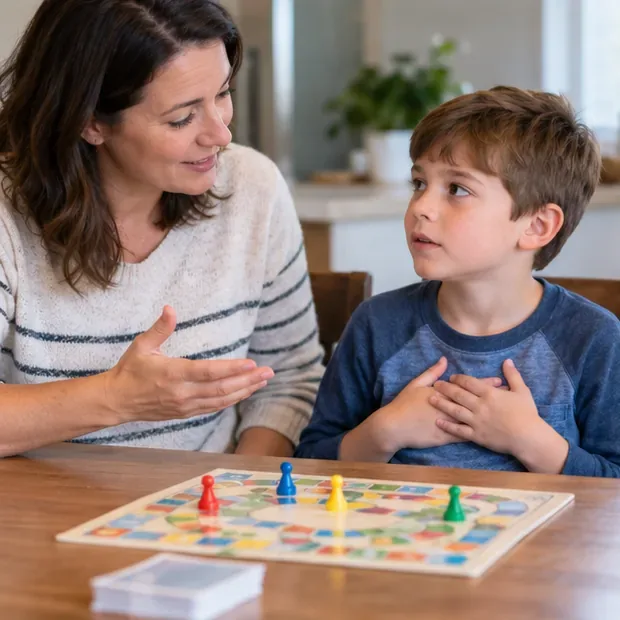
Teach children to handle losing without shame or explosive anger by validating feelings, setting behavior limits, modeling recovery, and practicing at the right difficulty.
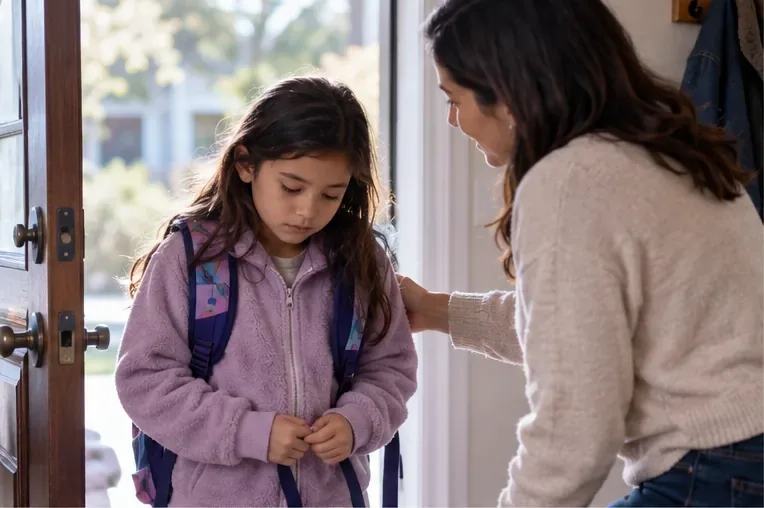
A calm, practical plan for after-school meltdowns: reduce overload, keep limits clear, track patterns, coordinate with school, and know when to seek help.
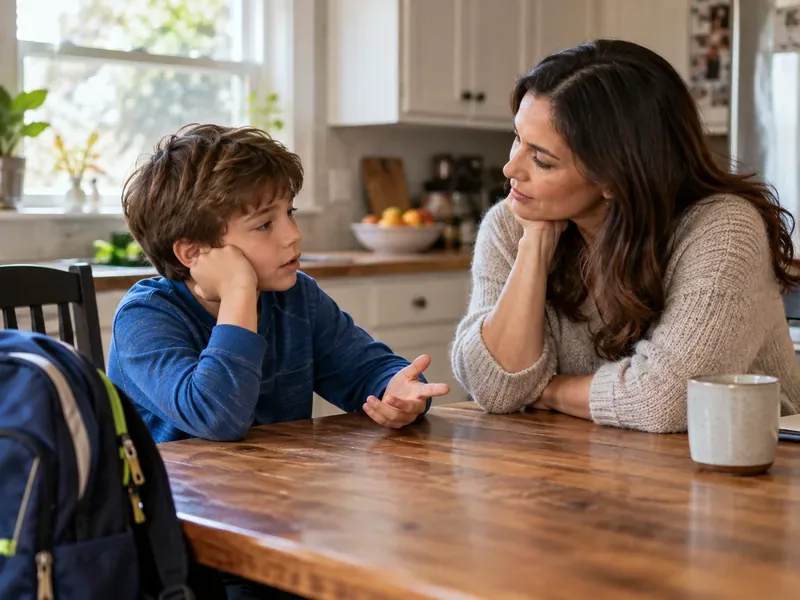
Learn how to respond when a child feels unwanted, ask supportive questions, recognize bullying or ongoing distress, and know when to seek extra help.
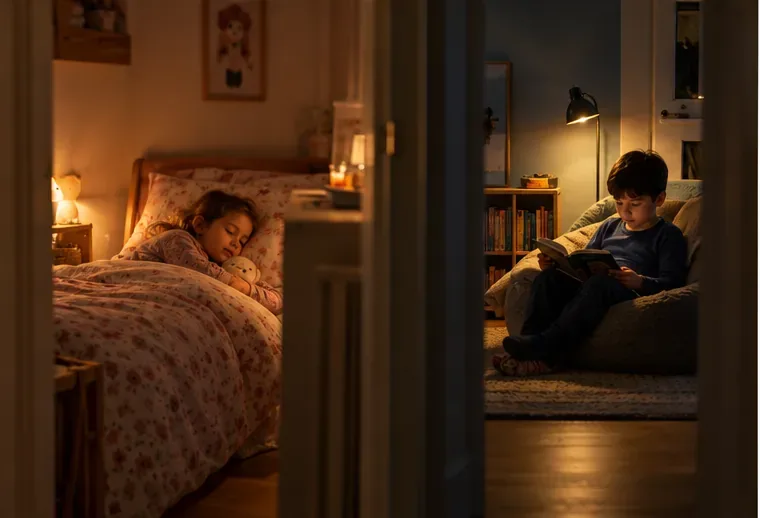
Learn how to set up a shared bedroom for siblings with different bedtimes, from planning around age-based sleep needs to creating separate sleep spaces and quiet routines.
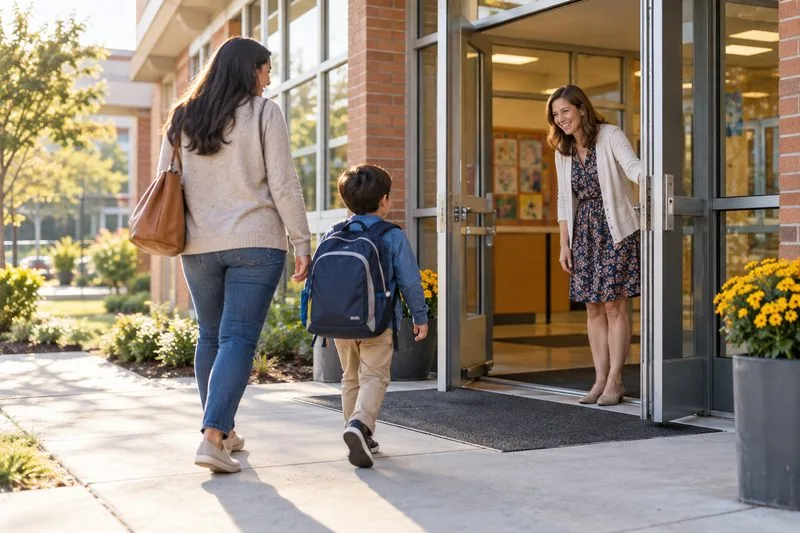
Compare full-day, gradual, and temporary at-home return plans, plus health checks and school supports that can help a child reenter safely.
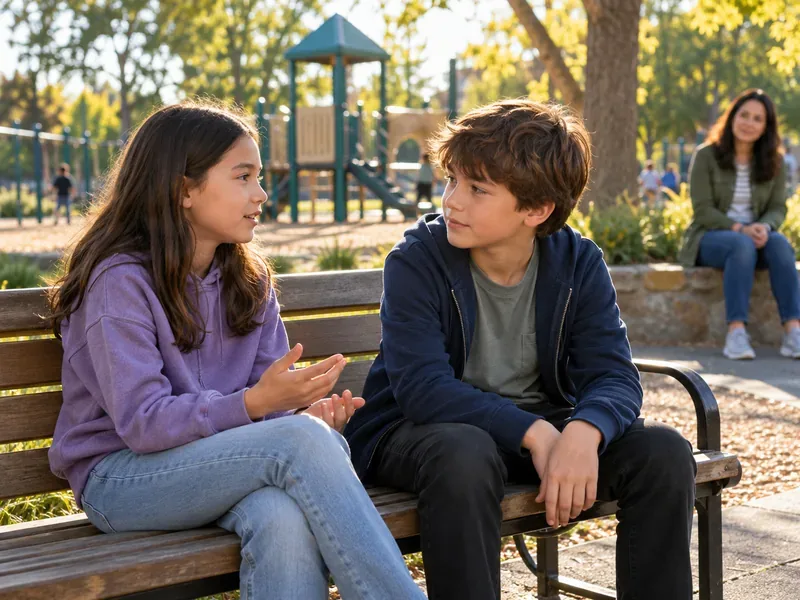
Learn when a child can try to solve a friendship problem, when adults should step in, and how to tell whether support is helping or needs to change.