How to Find a Hidden Water Leak Under a Sink: A Simple, Safe Check
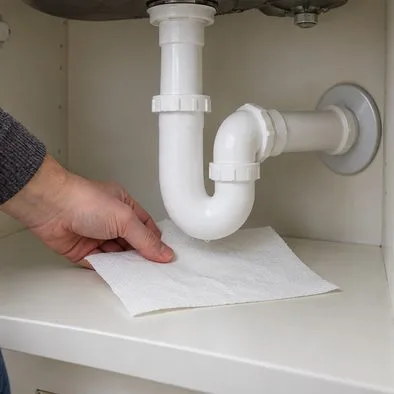
Use dry paper towels and four focused checks to find a hidden sink leak, tell supply leaks from drain leaks, and know when to call a plumber.
Before the first frost, a family can help the garden in a few useful ways: bring in tender produce, sort fallen leaves, plant spring bulbs where they suit the climate, and check whether young shrubs need water. The best jobs depend on what is growing and how soon cold weather is expected. A frost date on a calendar is only a planning guide; check your local forecast before deciding what must happen tonight.
The National Weather Service describes frost as ice crystals forming on surfaces when they cool below 32°F; frost can occur when a standard thermometer reads in the mid-30s. A local forecast is more useful than a national rule because conditions vary by place and even by garden. Guidance checked September 28, 2026. See the National Weather Service frost glossary.
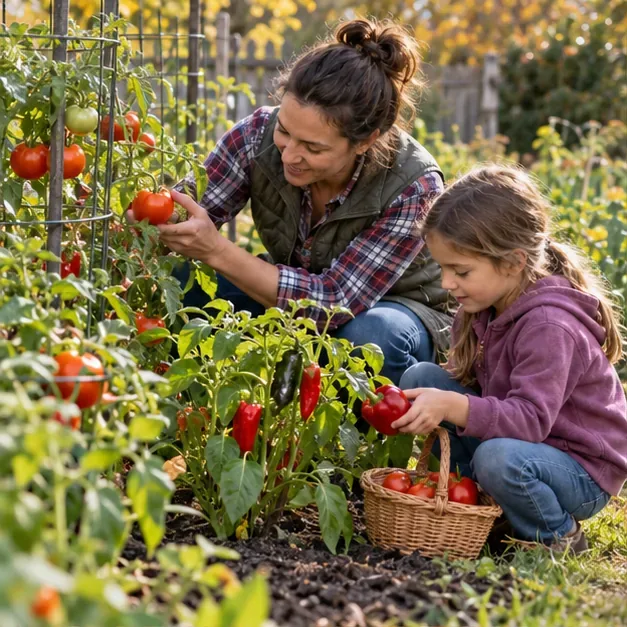
Make this the first job if your forecast calls for frost and your garden still has ripe tomatoes, peppers, eggplants, beans, or other warm-season crops. A child can look for produce that is ready while an adult uses any needed pruners and checks that stems are not pulled or snapped. Put picked vegetables in a shallow basket rather than piling them high.
Verified: Tender crops do not all react alike, and some cold-hardy vegetables can keep growing through light frosts. Tomatoes are frost-sensitive; University of Minnesota Extension advises picking tomato fruit before the first frost, and mature green tomatoes may continue ripening indoors. Action: Ask your child to sort the harvest by crop, then check a local Extension harvest guide for each one instead of stripping every bed automatically. The University of Minnesota tomato guide is a useful example of crop-specific advice.
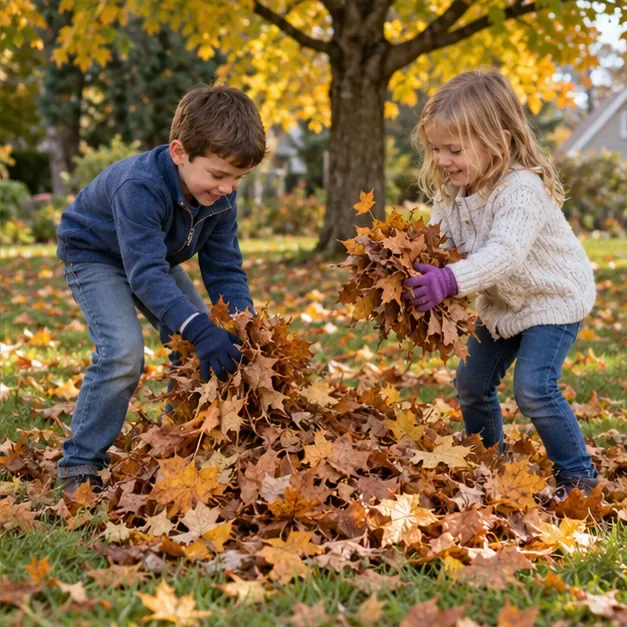
Give children a child-size rake, gloves, and a small destination: a compost pile, a leaf-mulch area, or a paper yard-waste bag if that is how your community collects leaves. In garden beds, a modest layer of leaves can protect soil and break down over time. Oregon State University Extension describes 1 to 2 inches of leaves as a fall mulch option for annual vegetable or flower gardens. Avoid burying small plants or leaving a thick, wet mat across lawn grass.
Depends on the site: “Clean every leaf out of the garden” is not a universal rule. Some leaf litter and standing stems provide winter habitat for insects, while diseased plant material may need removal. Illinois Extension recommends leaving some healthy leaves, stems, and seed heads, and cleaning up debris where pest or disease problems occurred. Action: Make three piles with your child: leaves for compost or mulch, leaves to leave in a chosen habitat area, and suspect diseased material for disposal according to local guidance. Do not assume every brown leaf is diseased. See Illinois Extension’s fall cleanup guidance and Oregon State’s information on leaves and soil.
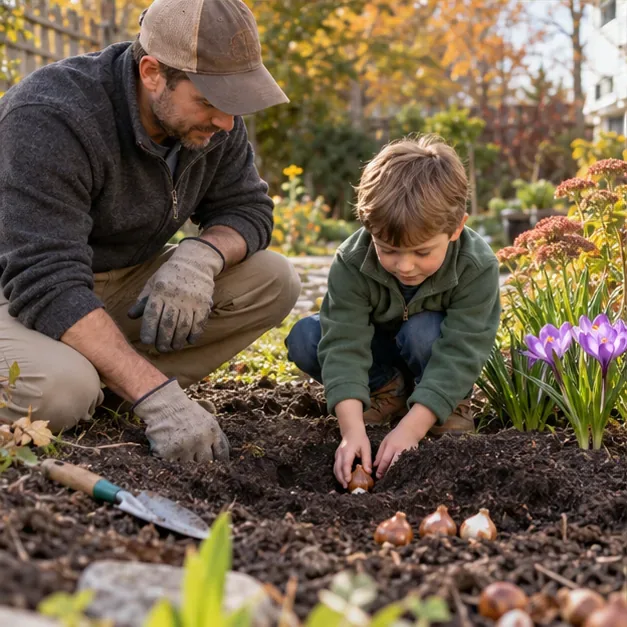
Planting bulbs can turn a short outdoor job into a spring surprise. Choose firm bulbs of a type recommended for your climate and garden conditions. Let children help space them, place each one with its pointed end up when that shape is clear, and cover the hole with soil. An adult should dig, check depth, and keep bulbs away from pets or toddlers who might mistake them for food.
Depends on the climate: “Plant bulbs just before the first frost” is too simple. The right window differs by region, bulb, soil, and how soon the ground freezes. Oregon State Extension, for example, gives different fall timing for western Oregon and colder central and eastern parts of the state. It recommends following package depth directions; about three times the bulb’s width is a general rule, not a substitute for local instructions. Action: Read the bulb label and search your state university Extension’s planting calendar before digging. If the soil is already frozen or waterlogged, postpone and ask a local Extension office whether the bulb can still be planted successfully. See Oregon State Extension’s bulb guide for an example of region-specific advice.
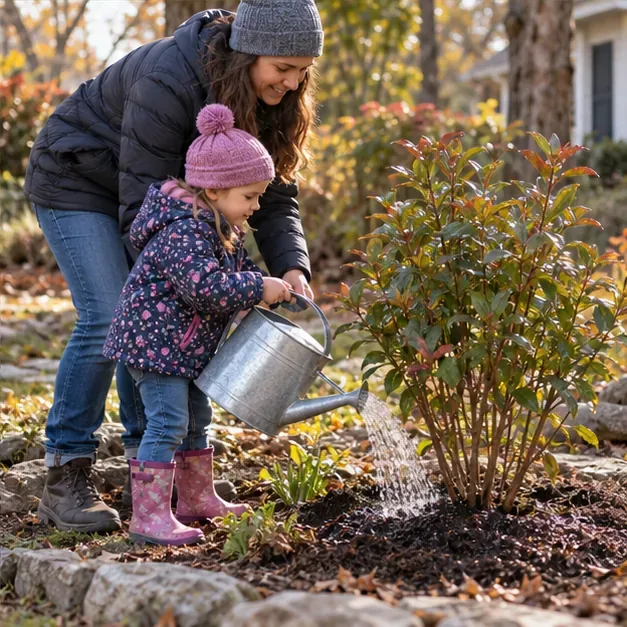
Watering is useful when autumn has been dry and the ground is still unfrozen, especially around recently planted trees, shrubs, and evergreens. Invite a child to pour slowly near the root area while an adult checks that water is soaking into the soil rather than running across a hard surface. Stop if the soil is already wet or puddling.
Depends on recent weather and the plant: “Water everything before winter” is not a sound blanket rule. Rainfall, soil drainage, plant age, and species all matter; saturated soil can harm roots. Utah State University Extension advises periodically hand-watering newly planted trees, shrubs, and evergreens during prolonged dry fall periods or until the ground freezes. Action: Feel the soil first, check recent rain, and water only if the root zone is dry. Do not water frozen ground. Use a small watering can for a child and keep hoses, tools, and buckets out of walkways. Read Utah State’s end-of-season garden guidance.
Verified: A frost advisory is a forecast, and frost forms at exposed surfaces; NOAA notes that it can occur even when a thermometer reading is in the mid-30s. Historical average dates describe a past pattern, not a promise for your address this year. Action: Check the National Weather Service forecast for your location and inspect exposed containers and low spots in your yard.
Unknown: A regional forecast cannot identify the precise temperature at every bed, porch, or low spot on your property. Exposed surfaces can cool differently from the air measured at a weather station. Action: Use the local forecast for planning, and note which parts of your garden are most exposed after cold nights so you can prioritize them next time.
Depends on the crop and the exposure: Tender warm-season plants can be damaged, while some hardy vegetables tolerate light frost. The exact outcome also depends on how cold it gets and for how long. Action: Identify each crop and consult a regional Extension guide; harvest tender fruit or protect valuable plants when the forecast calls for it.
Not established as a universal best practice: Extension guidance supports leaving some healthy stems, seed heads, and leaves for habitat, while removing debris from plants affected by disease or serious pests. What is appropriate depends on the plants and problems in your own garden. Action: Leave selected healthy stems and seed heads, remove clearly diseased material, and mark the area so children know which plants are meant to stay standing.
The goal is not a perfectly bare yard. A useful fall session protects food that is ready, puts leaves where they can help, plants only what suits the region, and waters only when conditions call for it. The local forecast and your garden’s actual plants should guide the final choices.
Use dry paper towels and four focused checks to find a hidden sink leak, tell supply leaks from drain leaks, and know when to call a plumber.
Bathroom mirror streaks often come from residue, dirty cloths, excess cleaner, or dried water. Find the likely cause and a gentle way to fix it.
Reduce overnight window condensation by controlling indoor moisture, improving airflow, monitoring humidity, and knowing when the window itself needs attention.
Reduce cooking and kitchen odors without fragrance by improving ventilation, cleaning grease and food residue, managing waste, and finding persistent odor sources.
Learn why ceiling fans wobble, which warning signs mean turn it off, and what you can safely check before calling an electrician.
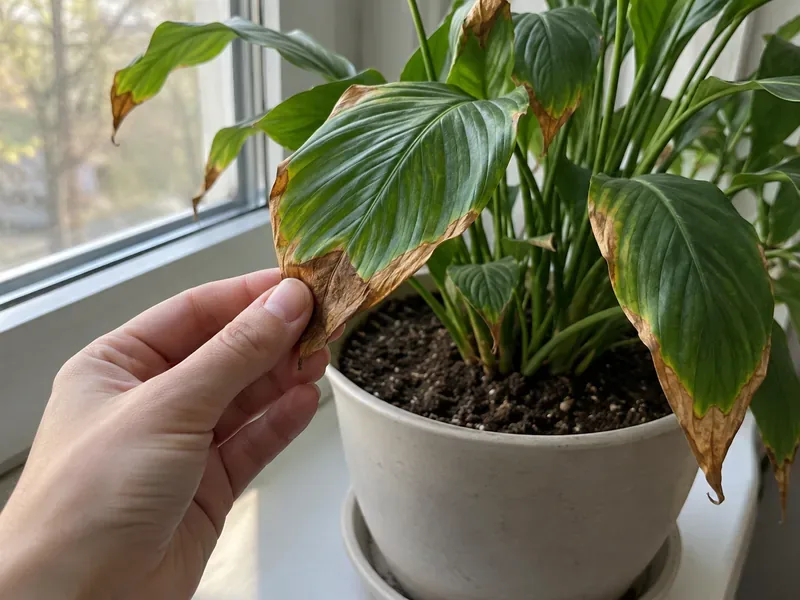
Learn why indoor plant leaves turn brown at the edges, how to read clues about watering, humidity, salts, and light, and when to seek expert help.
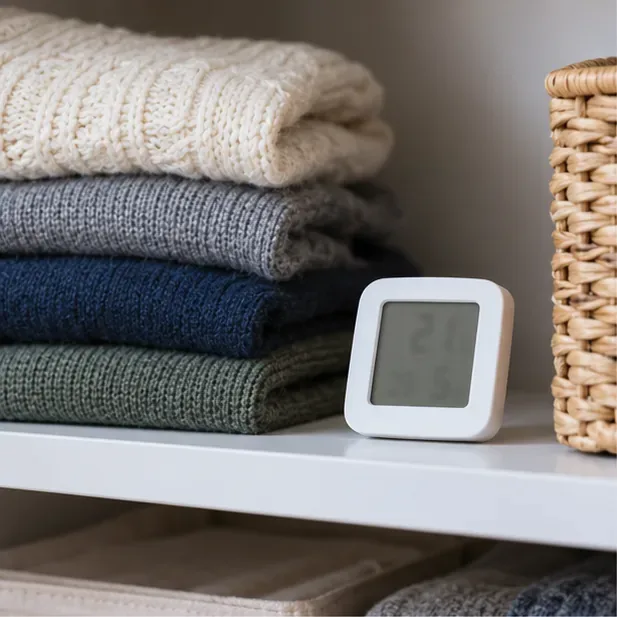
Keep stored clothes dry without mothballs: measure closet humidity, reduce moisture at the source, dry garments fully, choose suitable storage, and inspect for mold.
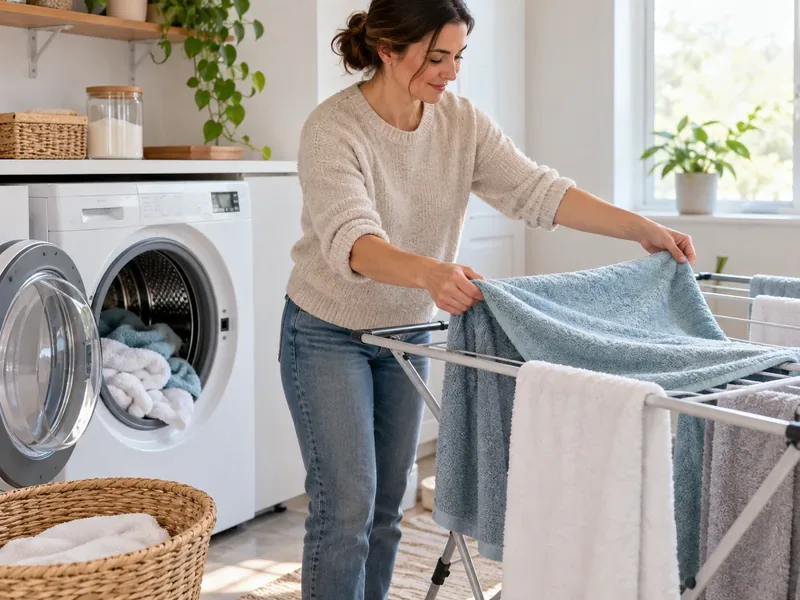
Musty towels often point to lingering moisture, washer residue, or slow drying. Learn how a hypothetical laundry example helps narrow the cause and what to change first.
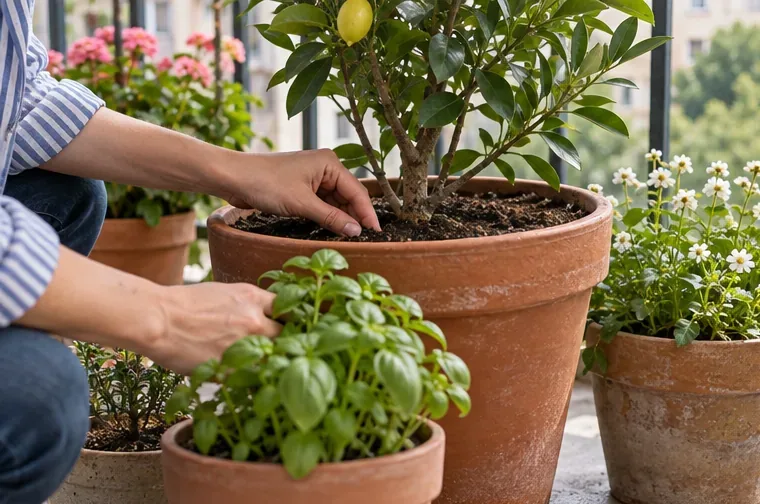
Keep balcony plants hydrated during a short trip with a plan based on pot size, plant needs, sun, and wind. Compare wicks, self-watering pots, and plant sitters.
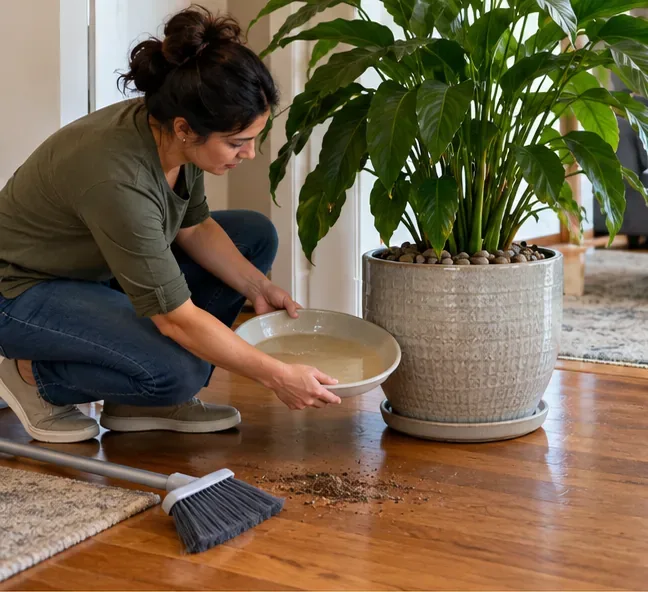
Move a heavy houseplant safely without scratching hardwood, denting flooring, spilling soil, or straining your back. Use a protected path, a dolly, and a controlled team lift.