Feeding your baby at the wrong time, sooner or later, can have a negative impact on the baby's health and development in the early years of life. What is the best time to start? Which rule is important? Refer to the article below, mom!
content
Baby eat solids early, mom takes care of enough sugar
The risk of late feeding
Rules for properly weaning babies
According to experts' recommendation, during the first 6 months of life, mothers should exclusively breastfeed their babies. From the age of 6 months, when the baby's nutritional needs increase, moms start to practice solids. However, breast milk is still the main source of nutrition for the baby during this period, mainly to get used to the taste of food.
This is recommended, but each baby's growth rate varies. Many babies will be ready to eat solids sooner, about 4-5 months old. You can refer to the following signs to know exactly when your child is ready for a new move.
Babies can control head and neck well
Gain weight steadily
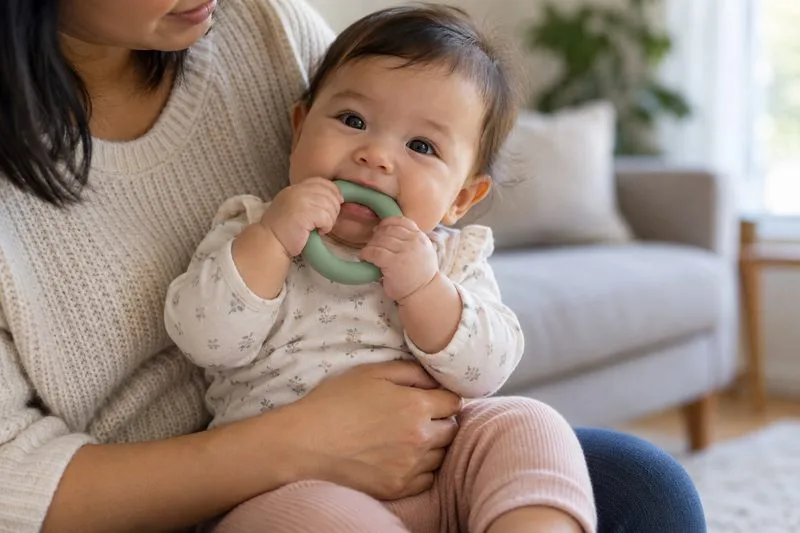
Babies tend to use handles and put objects around in their mouths
Looks "craving" when watching parents eat
Babies always feel demanding, even if they still get enough, or drink more than the amount of milk each day
Your baby's mouth and tongue are developed. Babies are able to push food inwards with their tongue, and swallow properly

It's not until the 6th month that your baby's digestive system is ready to accept foods other than milk
Baby eat solids early, mom takes care of enough sugar
Contrary to the perception of many mothers, early feeding will not help babies gain weight and develop better, but in turn will lead to negative effects on the health and even the development of the child .
Easy to damage kidneys
Children under 4 months old (17 weeks old) have a weak digestive system, not enough to digest protein, lipids from food to convert into energy for the body. Then, the baby's kidneys will have to "overtime" to be able to fully digest this nutrient source.
In addition, early exposure to food, your baby may encounter digestive problems such as diarrhea, living stools.
The risk of obesity is higher
Many studies show a link between early weaning and childhood obesity risk. Compared with the standard baby eating weaning, babies who eat weaning early have the risk of obesity increasing 3 times.
Risk of choking
When the baby is not ready, the activities of the baby's jaw, tongue, pharynx and throat are not well coordinated. The swallowing reflex is also incomplete, the baby is easy to choke and choke, because the tongue is not able to push food into the correct digestive tract.
The risk of late feeding
6-month-old babies have higher energy requirements due to a sudden increase in physical activity. In addition, this is also the time when iron reserves from birth begin to deplete. Babies need weaning foods to supplement energy as well as the amount of iron needed.
Feeding your baby too late, after 6 months of age, can slow down a baby's growth. It can even make children malnourished. In addition, the late feeding of babies is also easy to form a psychological resistance, difficult to accept solid foods.
![Soup at the right time for the baby to eat solids helps the baby to grow well]()
Causes of iron deficiency anemia in children under 2 years of age Children under 2 years of age are very susceptible to iron deficiency anemia due to the 4 reasons listed below. Mother should consult to prevent disease, help children develop most comprehensively in the first years of life.
Rules for properly weaning babies
Standard start and end
Experts recommend that mothers should initiate solids when babies are 6 months old, or when they show signs of being ready. However, baby should not be fed before 17 weeks of age. At the same time mothers should also note the end of the weaning time when the baby is 24 months old.
Prolonging the weaning time of young children can lead to some problems such as: children are slow to chew, difficult to integrate into school due to other diets ...
Eat from a little to a lot
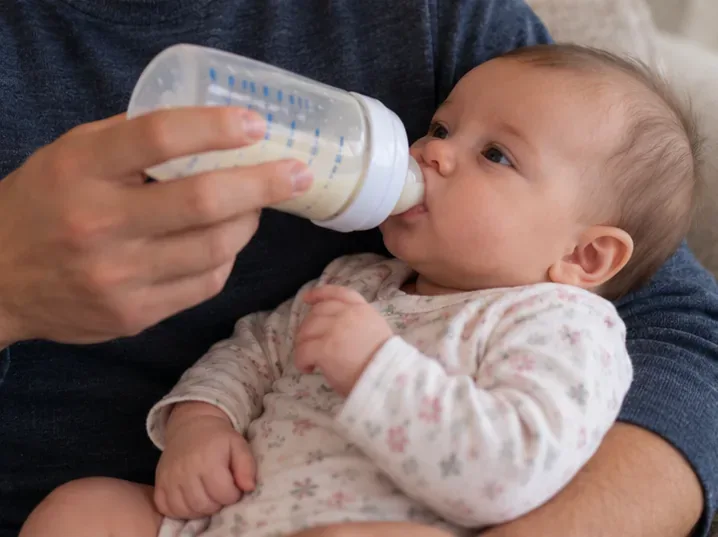
At the beginning, mothers can feed the baby with a booster bottle or spoon, then gradually increase from 1-2 small teaspoons of pureed food. Use a soft, plastic spoon to avoid damaging your baby's gums and should start with a small amount on top of the spoon. Once you get used to the new diet, you can gradually increase the amount of food for your baby.
From sweet to salty
When you first practice solids, you should start with sweet foods like apples, bananas, sweet potatoes. Then try the vegetables, fish meat. However, please note that you should not add salt, monosodium glutamate or seasoning powder to your child's food!
Introduce your baby to new foods in 3-5 days
This is a way to help find out if your baby has a food allergy. After this time, if the baby does not show any special symptoms, the mother can let him try something else.
![Soup at the right time for the baby to eat solids helps the baby to grow well]()
Telling mom 8 "healthy" foods for baby weaning for the first time Coming to baby's first weaning meal, mom still hasn't decided what to start with? Discover how to make snacks with MarryBaby at their starting stage with 8 easy-to-find ingredients below!
Balance food groups
Like adults, children need nutrients from many food groups.
Sugar flour group: rice, bread, vermicelli, pho, corn, potato ...
Protein group: meat, fish, eggs, milk, shrimp, soybeans, beans ...
Fatty group: oils, avocados, oilseeds
Vitamins and minerals group: vegetables and fruits.
In addition to choosing the appropriate time of weaning for children and traditional food, mothers can also choose to give their children the Japanese method of weaning to help increase the overall nutritional supplementation for children.