Causes of iron deficiency anemia in children under 2 years old

Children under 2 years of age are very susceptible to iron deficiency anemia because of the 4 reasons listed below. Mother should consult to prevent disease, help children develop most comprehensively in the first years of life.

Causes of iron deficiency anemia in children under 2 years old

Weaning is the time for mothers to supplement their child's iron source

1 / Children with anemia due to lack of iron reserves

Right from the time it is in the womb, the child has absorbed nutrients necessary for their development at that time, and also saved them for later. That is why experts always recommend pregnant women should take a full supplement of vitamins and minerals during pregnancy.


Causes of iron deficiency anemia in children under 2 years old

How to supplement iron during pregnancy for good? Some of the following methods will help you increase your body's iron absorption and cope with the unwanted side effects of iron supplements.


According to research, the amount of iron absorbed from the mother's body during pregnancy is in the last 3 months. Accordingly, in the body of full term newborn , the correct amount of iron storage is 250-300mg, enough for the need of blood formation from 3-4 months after birth. For babies born prematurely, twins, or born to a mother with iron deficiency anemia, the risk of an anemic baby is very high.

2 / Iron deficiency anemia due to not eating enough

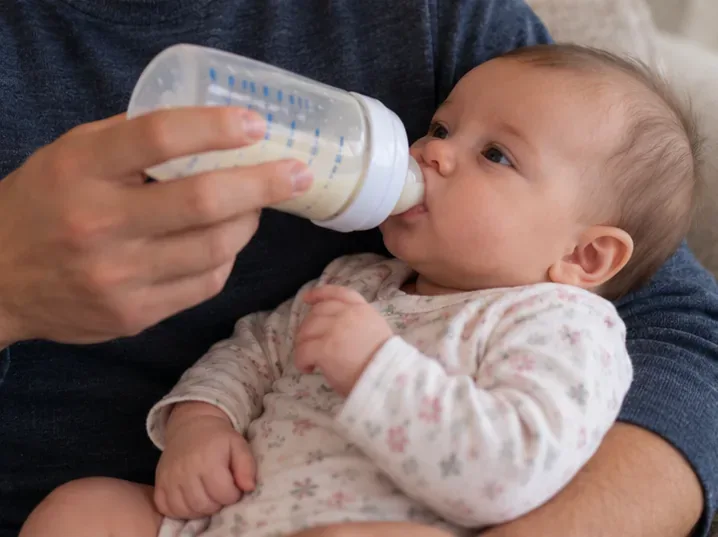
In addition to oral supplements, the body's main source of iron is still food. However, for babies, their main food every day is just milk. Meanwhile, the iron content from milk does not satisfy the baby's blood-forming needs.

Therefore, when the child reaches the 6-month-old milestone, the mother should practice the baby to eat solids , exposure to a diverse world of foods, especially iron-rich foods to prevent anemia for children.

3 / The amount of iron is not enough because the baby develops quickly

If the baby is breastfed well, with quality breast milk, the baby will develop very quickly, sometimes even exceeding the standard. Because the body grows too fast, the blood capacity also increases, making the amount of iron not enough to supply this growth process. By five months of age, the baby's weight has nearly tripled at birth.

At that rate, mothers should promptly supplement a reasonable source of nutrients during the weaning period to prevent iron deficiency anemia in children under 2 years old.

4 / The child has a significant loss of iron

The child's digestive system in the early years of life, especially the infancy period, is very immature and weak. Therefore, just a little disturbance can make your baby suffer from digestive and intestinal diseases, leading to diarrhea, dysentery, and constipation. Prolonged illness affects iron absorption, causes anemia and lowers the immune system's resistance.

>>> Discussions on the same topic:

Causes children anemia and iron deficiency

What foods do children with anemia need to supplement?

MarryBaby

Leave a Comment

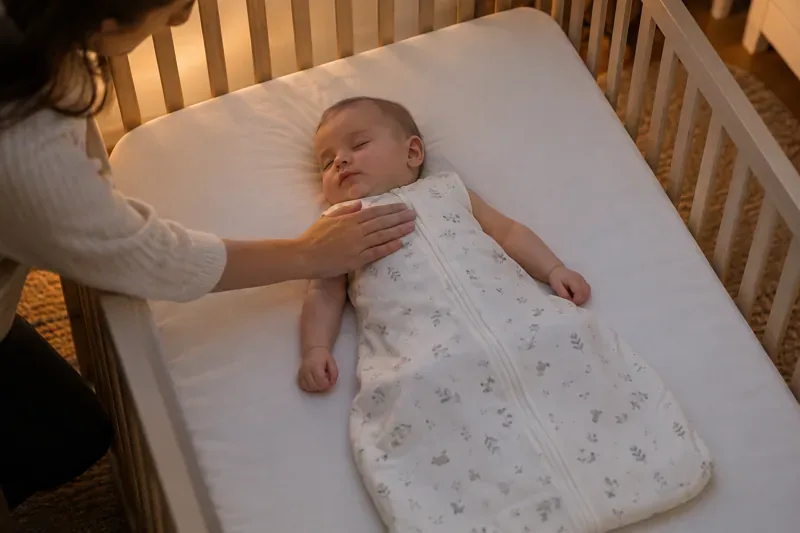
How to Dress a Baby for Sleep Without Guessing the Room Temperature

How to Dress a Baby for Sleep Without Guessing the Room Temperature

Learn how to choose baby sleep layers using current safe-sleep guidance, your baby's chest cues, and product labels—without relying on one room-temperature number.

What Helps a Baby Adjust When Bedtime Shifts Later Than Usual?

What Helps a Baby Adjust When Bedtime Shifts Later Than Usual?

A later-than-usual bedtime does not have to derail a baby’s sleep. Learn how to preserve familiar cues, handle overtiredness, reset gently, and keep sleep safe.

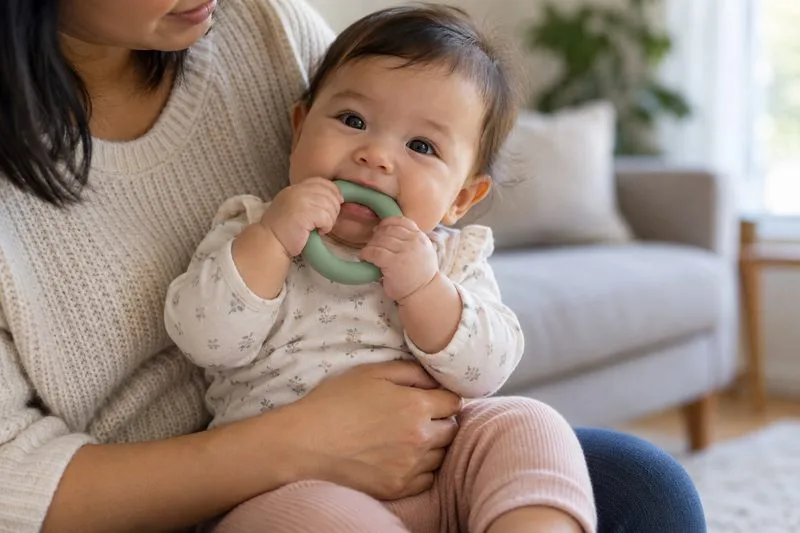
Why Teething Symptoms Can Start Weeks Before a Tooth Appears

Why Teething Symptoms Can Start Weeks Before a Tooth Appears

Teething discomfort can begin before a tooth breaks through, but symptoms are not a reliable countdown. Learn what is typical and when to call a clinician.

How to Tell Whether Your Baby Is Ready to Drop a Nap

How to Tell Whether Your Baby Is Ready to Drop a Nap

Learn how to tell a true nap transition from a temporary nap strike, protect enough total sleep, try a schedule change safely, and know when to ask a pediatrician.

Why Does a Baby Wake 30 Minutes Into Every Nap?

Why Does a Baby Wake 30 Minutes Into Every Nap?

A baby waking after 30 minutes may be reaching a lighter stage of sleep, reacting to timing or discomfort, or simply taking a short nap. Learn what to observe, what to try safely, and when to call your pediatrician.

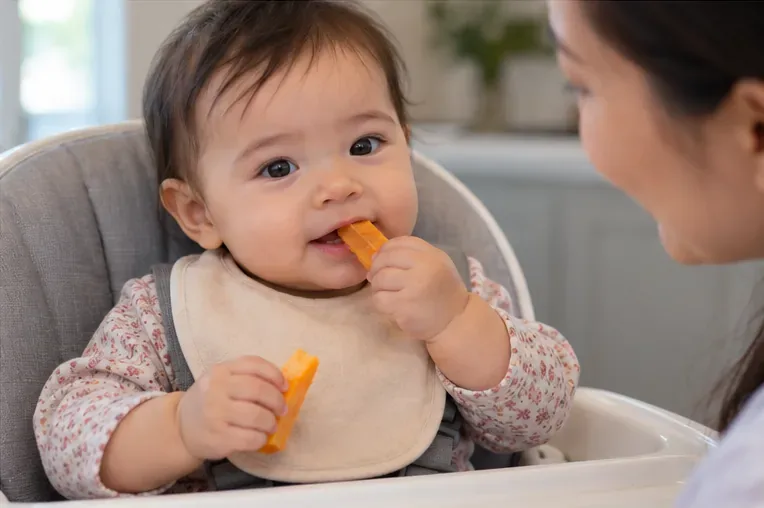
How to Serve Finger Foods Safely When Your Baby Has Few Teeth

How to Serve Finger Foods Safely When Your Baby Has Few Teeth

Few teeth do not rule out finger foods. Learn how to choose soft textures, cut foods safely, supervise meals, and recognize choking warning signs.

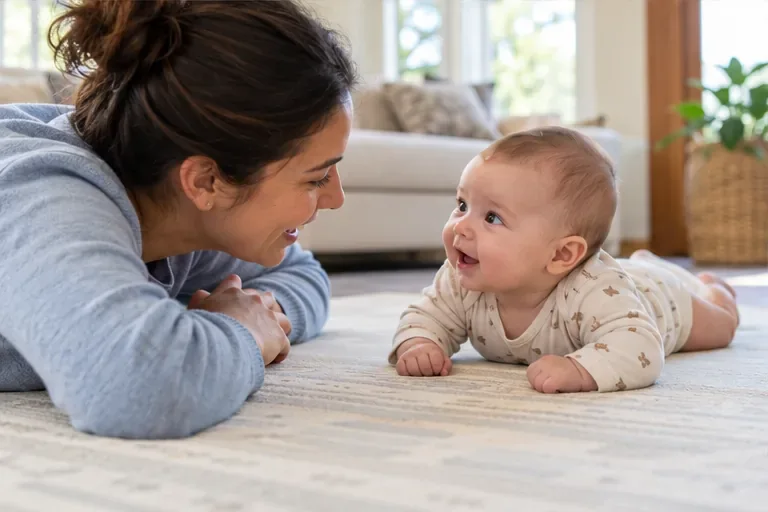
How to Encourage Tummy Time When Your Baby Cries: Gentle Options That Work

How to Encourage Tummy Time When Your Baby Cries: Gentle Options That Work

Compare gentle tummy-time positions, timing, and support options for a baby who cries right away, with clear supervision and sleep-safety guidance.

Why Would a Baby Suddenly Reject a Familiar Solid Food?

Why Would a Baby Suddenly Reject a Familiar Solid Food?

A baby may refuse a familiar solid food because of fullness, timing, texture, teething, or illness. Learn gentle next steps and when to call a pediatrician.

How to Introduce a Bottle When a Breastfed Baby Refuses It

How to Introduce a Bottle When a Breastfed Baby Refuses It

A practical guide to bottle refusal in breastfed babies: compare timing, caregiver, nipple flow, milk temperature, paced feeding, and when to get help.

How Two Caregivers Can Follow the Same Baby Sleep Routine

How Two Caregivers Can Follow the Same Baby Sleep Routine

Help two caregivers share a calm, flexible baby sleep routine with a clear handoff, age-aware steps, and the same safe-sleep finish.