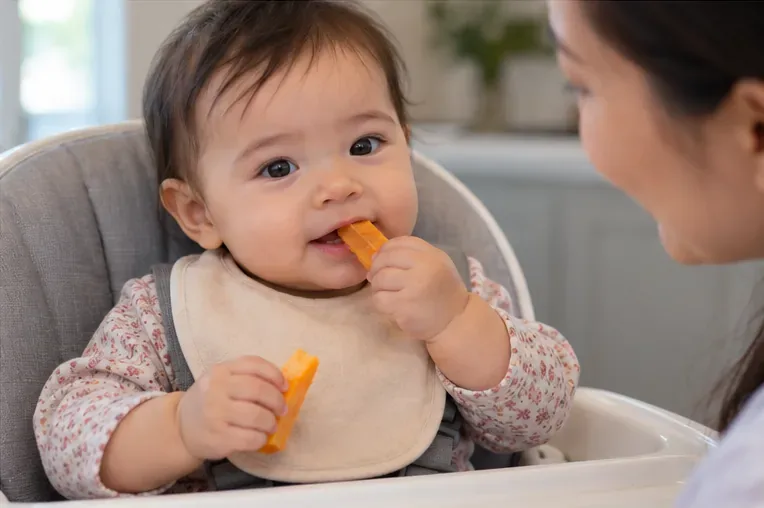
Your baby ate mashed sweet potato all week, then suddenly clamps their mouth shut or turns away. A change like that can feel alarming, especially when the food is familiar. Often, one refused meal reflects fullness, timing, mood, or a short-lived discomfort. The pattern around the refusal matters more than that single spoonful.
For example, imagine an otherwise well 8-month-old who turns away from a usual puree at lunch but drinks milk normally and is cheerful later. A calm pause and another offer on a different day may be enough. If the same baby also refuses milk, seems ill, coughs with meals, or has fewer wet diapers, the response should be different. This example is illustrative, not a diagnosis.
Why might a baby reject a food they usually eat?
They may be full, tired, distracted, or not ready at that moment
Babies’ intake can vary from one meal to another. A baby who closes their mouth, turns away, or pushes food away may be signaling “I’ve had enough,” rather than declaring a permanent dislike. They may also be sleepy, busy watching the room, or still satisfied from a milk feed. The CDC’s guide to hunger and fullness cues recommends watching the child’s signals and stopping when they show they are full.
The food may feel different today
“Familiar” does not always mean identical. A puree may be colder, thicker, lumpier, drier, or more strongly flavored than before. A different spoon, feeding seat, room, or caregiver can change the experience too. Babies are learning how to move food around their mouths and swallow different textures; preferences and skills can shift as they develop. Check the food’s temperature and texture, and compare the serving with the version your baby accepted before.
Teething or a temporary illness may make eating uncomfortable
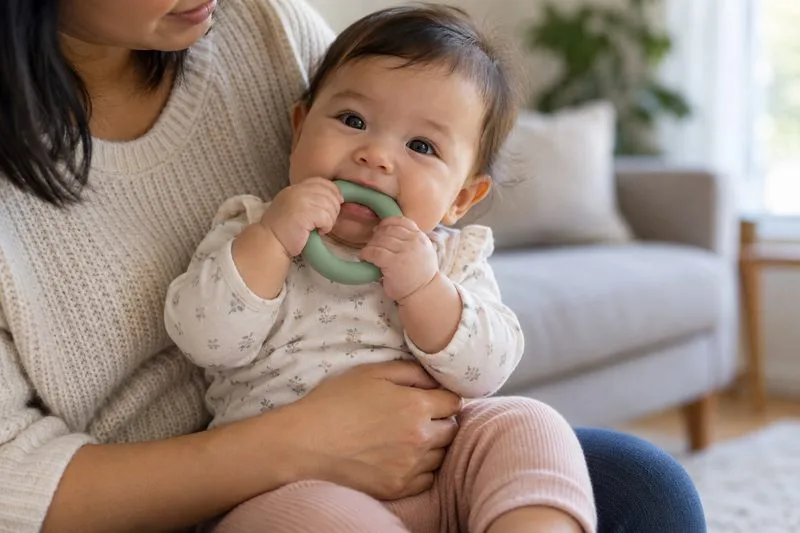
Tender gums can make chewing or accepting a spoon less appealing. A stuffy nose, sore throat, mouth irritation, or another minor illness may also make a meal uncomfortable or tiring. These are possibilities, not conclusions from refusal alone. Teething may cause mild gum discomfort, but the American Academy of Pediatrics notes that fever, diarrhea, or substantial crying should not simply be blamed on teething. See its teething guidance, and look for other symptoms rather than assuming a new tooth explains everything.
A difficult meal may have made the food feel stressful
If a baby was pressured to take bites, repeatedly coaxed after turning away, or startled by gagging, they may resist the next offer. A single unpleasant meal does not prove an ongoing feeding problem, but pressure can make meals more tense. Avoid holding the spoon at the mouth or disguising bites to get food in. Offer food calmly and let the baby decide whether to open their mouth.
Less commonly, pain, swallowing difficulty, or an allergic reaction may be involved
Repeated coughing or choking during meals, difficulty moving food in the mouth, or distress with particular textures deserves attention from a clinician. A refusal that occurs alongside hives, swelling, repeated vomiting, sudden cough or hoarse voice, wheezing, trouble swallowing, or breathing difficulty after a food could signal an allergic reaction. Refusal by itself does not diagnose a food allergy. For sudden breathing trouble, wheezing, major swelling, or another severe reaction, call your local emergency number immediately; follow an existing allergy action plan if the baby has one. The AAP food-allergy symptom guidance lists emergency warning signs.
What to do, from the simplest step to getting help
- Pause the meal. If your baby turns away, closes their mouth, or becomes upset, stop offering bites. Keep your voice neutral and let them leave the high chair when the meal is over. Do not force a “last bite.”
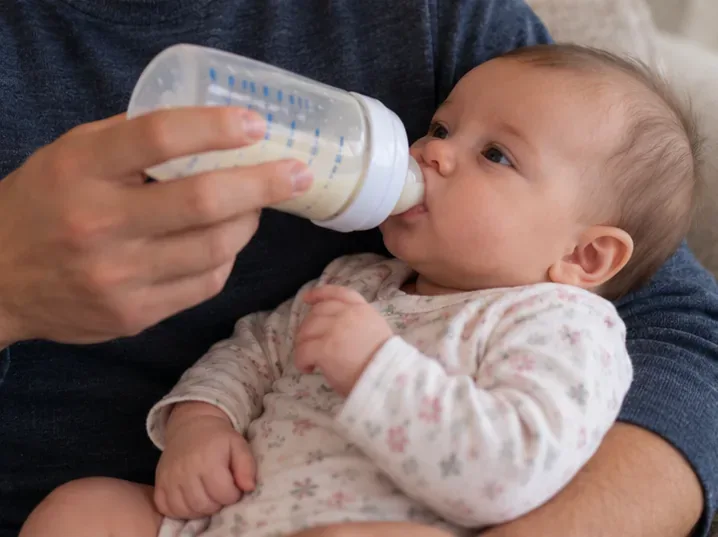
- Check the basics. Notice when the baby last had breast milk or formula, whether they seem tired or distracted, and whether the food differs in temperature, texture, or preparation. For a baby under 12 months, breast milk or infant formula remains the main source of nutrition while solids are being introduced; see the CDC guidance on feeding amounts and frequency.
- Make one low-pressure adjustment. At a later meal, offer a small amount of the familiar food when the baby is alert. Use a safe texture and a comfortable upright position. You might return to the consistency they accepted, or let them explore a little food with their hands if they are developmentally ready. Do not change several things at once; it is easier to notice what helps.
- Offer it again another day. A refusal is information about this meal, not proof the food is permanently disliked. Offer the food again without pressure, alongside suitable foods the baby usually accepts. Continue normal milk feeds and follow your clinician’s advice about your baby’s nutrition.
- Contact the pediatrician if the pattern persists or other symptoms appear. Ask for advice if the baby repeatedly refuses solids, refuses breast milk or formula too, seems to have pain, vomits repeatedly, has ongoing diarrhea, or is not growing as expected. Describe what happens with different textures and whether the baby coughs, gags, or struggles to swallow. The AAP’s solid-food guidance advises not making a baby eat when they cry or turn away.
When is refusal urgent?
Seek urgent help for trouble breathing, wheezing, sudden swelling of the lips or tongue, or a baby who cannot swallow or is choking. Call the local emergency number for a suspected severe allergic reaction. Contact a clinician promptly if your baby is too unwell to drink, unusually sleepy or difficult to wake, or has substantially fewer wet diapers than usual. The AAP’s dehydration warning signs include urinating less often; the right threshold can depend on the baby’s age and circumstances.
Gagging can happen as babies learn to handle new textures, but choking is an emergency when food blocks breathing. The NHS guide to choking and gagging explains the difference. If coughing or choking happens repeatedly with meals, stop the meal and discuss it with the pediatrician rather than repeatedly testing the same food or texture.
How to check whether things are improving
Over the next few days, note which food was offered, the texture and timing, whether your baby seemed tired or unwell, what cues they showed, and whether milk feeds and wet diapers stayed usual. Improvement may look like your baby accepting some food again, exploring it without distress, or simply returning to their usual mood and milk intake. Solids do not need to be finished for a meal to count as a calm practice opportunity.
In the example above, if the baby turns away once but continues drinking normally, seems well, and later accepts the puree or another food, a relaxed re-offer is reasonable. If refusal spreads to milk, repeats across meals, or comes with pain, swallowing trouble, allergic symptoms, dehydration signs, or poor growth, contact a pediatrician. A brief record of what changed will help the clinician assess the pattern. This article offers general information and cannot determine the cause for an individual baby.