Home
» Babies
»
Why Does a Baby Rub Their Face and Ears When Tired?
Why Does a Baby Rub Their Face and Ears When Tired?
A baby may rub their face or ears while getting tired, but the gesture alone cannot tell you exactly what they need. It can appear with other sleepy cues, be a way of soothing or exploring, or reflect an itch or discomfort. Ear rubbing by itself does not prove an ear infection. The most useful clues are the pattern, your baby’s age, what else is happening, and whether they seem well between episodes.
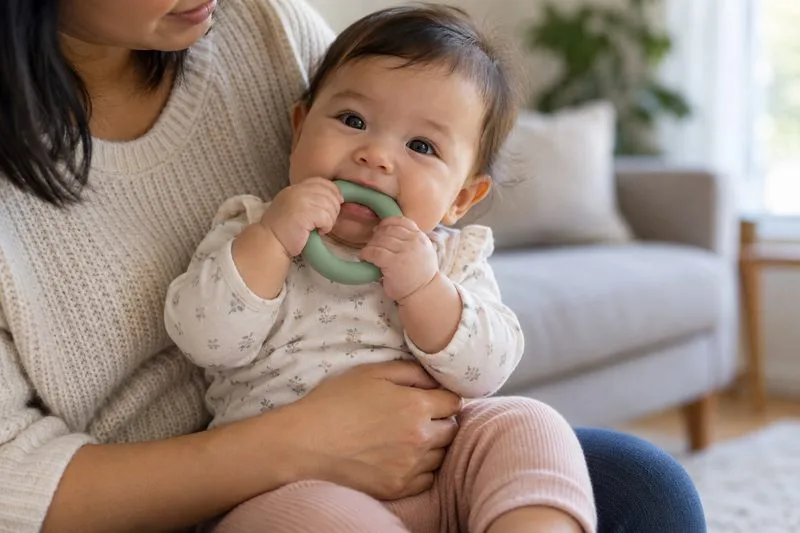
A sleepy infant gently rubs an ear while being held by a caregiver; look for other cues before assuming the cause.
When face or ear rubbing may be a tired cue
Some babies rub their eyes or face, become fussy, yawn, look away, or lose interest as they get tired. The American Academy of Pediatrics (AAP) lists eye rubbing, fussiness, and looking away among possible signs that an infant may be ready for a nap. Rubbing the ears can happen at the same time, but it is not a reliable stand-alone sleep signal. A baby may also touch their ears as they discover their body or use a familiar movement to settle.
What you can do: look for a cluster of cues, such as slower activity, yawning, fussiness, and eye rubbing, and consider offering the usual nap or bedtime routine. Notice whether the behavior tends to happen at a similar point in your baby’s awake period and eases after rest. Sleep needs vary by age and child, so one gesture should not be used as a strict timer.
What the gesture does—and does not—tell you
Myth: Ear rubbing means an ear infection
What is known: Babies and young children may pull or rub their ears for reasons unrelated to infection, including self-soothing or play. Seattle Children’s notes that isolated ear pulling without symptoms such as fever or crying is not, by itself, a sign of an ear infection. The AAP also explains that many children touch their ears without having one.
What depends on the situation: Ear rubbing becomes more concerning when it comes with signs of pain, persistent crying, fever, trouble sleeping, reduced feeding, a recent cold, or fluid draining from the ear. Even then, symptoms do not confirm the cause. A clinician generally needs to examine the ear with an otoscope to assess the eardrum and check for infection.
What is not known from rubbing alone: You cannot tell at home whether an infant has middle-ear fluid, an infection, teething discomfort, or another source of pain just by watching them touch an ear. If you notice a combination of symptoms, contact your child’s clinician and describe when it began and how your baby is eating, sleeping, and behaving.
Myth: Face rubbing always means the baby is sleepy
Face rubbing may happen when an infant is tired, but it can also be linked to dry or irritated skin, an itchy rash, drool or food residue, or ordinary hand-to-face exploration. Eczema can cause dry, red, itchy patches and often affects a baby’s face. The movement alone cannot distinguish an ordinary sleepy cue from skin irritation.
What you can do: check the cheeks, eyelids, scalp, and skin behind the ears for persistent redness, scaling, cracking, swelling, or open areas. Gently clean visible residue and avoid vigorous rubbing or adding fragranced products. If a rash is persistent, spreading, uncomfortable, or interfering with sleep, ask the pediatrician for advice rather than assuming it is teething or tiredness.
Myth: Ear rubbing is a dependable teething test
Some babies touch their face or ears while teething, and gum discomfort can sometimes be felt near the ear. But ear rubbing does not establish that a tooth is coming in, and teething should not be used to explain away fever, drainage, significant distress, or feeding problems. There is no single face-rubbing pattern that confirms teething.
What you can do: consider teething only alongside other age-appropriate signs, such as sore gums, and keep monitoring your baby’s overall condition. If your baby seems ill or has a measured fever, follow age-specific medical advice instead of attributing it to teething.
A simple way to observe the pattern
Note the timing: Does rubbing happen near naps or bedtime, during feeds, after bathing, or throughout the day?
Look at the whole baby: Is your infant otherwise alert, feeding normally, and consolable? Or are they unusually irritable, difficult to wake, or clearly uncomfortable?
Check the skin and ear opening: Look only at the outside. Do not put a cotton swab, finger, oil, or unprescribed drops into the ear canal.
Try the ordinary response: If the baby is showing several tired cues and is otherwise well, calmly begin the regular wind-down routine. If rubbing continues when rested or is paired with symptoms, reassess rather than treating it as a sleep cue.
Keep a short note: Record the time, temperature if your baby feels warm, feeding and sleep changes, rash, and any drainage. This helps a clinician understand the pattern.
These observations can guide the next step, but they cannot diagnose an ear problem. For example, a baby who rubs one ear after a cold and wakes crying may need an examination; another baby who briefly rubs both ears when drowsy and then settles may simply be showing a routine cue. Those examples are possibilities, not rules.
When to call a clinician
Contact your pediatrician or local medical service if ear rubbing is persistent and seems painful, your baby cries more than usual, has a cold with worsening discomfort, feeds poorly, has ear drainage, or develops a persistent rash or skin sores. Ask sooner if you are worried or your infant has a medical condition that changes their risk.
A temperature of 100.4°F (38°C) or higher in a baby younger than 3 months needs prompt medical advice. Do not wait to see whether the ear rubbing stops before calling. Seek emergency help for trouble breathing, a baby who is unresponsive or very difficult to wake, or other signs of severe illness. Local guidance and access to care vary; if you are outside the United States, use your local urgent-care pathway.
Help your baby settle safely
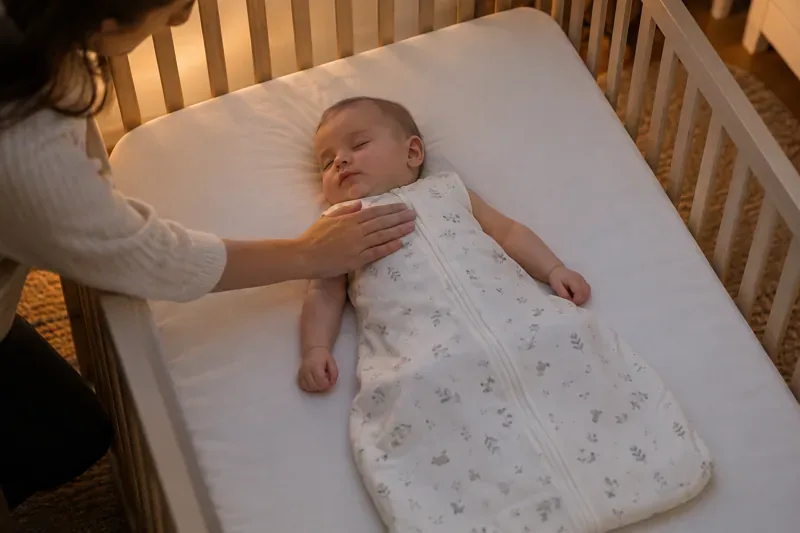
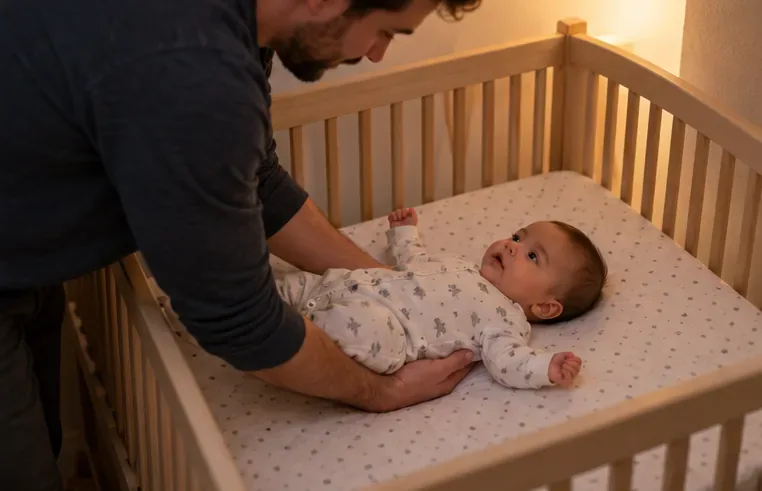
If your baby appears tired and otherwise well, a calm, familiar routine may help: lower stimulation, check basic needs such as hunger or a wet diaper, and offer soothing in a way that works for your family. If the baby falls asleep, place them on their back on a firm, flat, separate sleep surface with only a fitted sheet. The CDC supports AAP safe-sleep recommendations and advises keeping loose blankets, pillows, and soft toys out of the sleep area. If you are holding your baby to soothe them, stay awake and move them to their own sleep space when they are ready to sleep.
Bottom line: Face rubbing can be one clue that a baby is tired, while ear rubbing is common and nonspecific. Look for the broader pattern, check for skin changes and signs of illness, and use symptoms—not the gesture alone—to decide when to seek care. This article offers general information and cannot diagnose your baby.