How to Teach Chores Without Redoing Every Task for Your Child

Teach kids to do chores with fewer reminders: set a clear finish line, model one task, step back, and correct only what is unsafe or unfinished.
The most common symptoms of teething babies are irritability, soreness and fussiness. However, there are also cases where children have diarrhea due to teething, which is known as diarrhea.
Teething is one of the important milestones in the early stages of life. When you see your baby's first teeth, you will surely be very happy, but with young children, this can be an uncomfortable period because the baby has many unpleasant symptoms. In the teething stage, your baby will have many problems and diarrhea (also known as diarrhea) may be one of them. If your baby has diarrhea due to teething, please continue to read the following sharing of aFamilyToday Health to know what you should do.
By the 6th month, many babies will begin to have their first tooth and in the first 12 months of life, they will usually have about 6 teeth. By the age of 2, your child will have 20 teeth divided equally between the upper and lower jaw. This teething sequence will not be true for every child, with a baby growing early, or a baby growing late, depending on whether or not the calcium supplementation for the baby is enough during pregnancy.
The first molar will usually grow when the baby is about 13-19 months old for the upper jaw and about 14-18 months for the lower jaw. The second molar teething was between 25 and 33 months old for the upper jaw and 23 - 31 months old for the lower jaw. Your baby's molars are baby teeth, so this tooth will survive with the child's growing up to age 6. After 6 years of age, baby teeth will begin to fall out gradually and move to the stage of permanent tooth replacement.

Most parents find that their child has diarrhea when teething. However, there is no scientific evidence to support a relationship between teething and diarrhea.
According to experts, during teething, one of the causes of diarrhea is due to excessive saliva secretion, causing children to swallow a lot, which disturbs the balance of the stomach, causing diarrhea in children. . However, this cause is not really accurate.
In addition, during the teething phase, the gums will be itchy, uncomfortable, causing children to always want to put objects in their mouths to suck and chew. These objects can contain harmful microorganisms, when children put objects in their mouths will inadvertently facilitate them to enter the body. Because the baby's immune system is incomplete, the body is not able to fight bacteria and other harmful agents, so it is understandable that the baby has diarrhea.
In fact, in the first few years of life, babies are more likely to get infections such as intestinal infections or ear infections . During the teething phase, diarrhea can be a common symptom, but it can also be a warning sign that your child is suffering from another more dangerous infection. Therefore, you need to distinguish diarrhea caused by teething and diarrhea caused by infection to have a timely intervention.

Children with teething diarrhea often pass out many times, loose stools, sour smell, not accompanied by mucus, blood. This usually does not last more than 4 days. In addition, teething diarrhea symptoms are accompanied by signs such as drooling, or putting hands or objects in the mouth, no signs of exhaustion or dehydration. Children with diarrhea caused by teething may be accompanied by fever due to gums swelling, cracked gums. However, when a child has a teething fever , he or she will only have a mild fever below 38.5 ° C. If your baby has diarrhea with a high fever (over 39 ° C), the child has a high fever again even though he has taken the fever down, now you should take him to a doctor to be diagnosed with the exact cause and treated promptly.
In the case of children with diarrhea due to digestive disorders , bacterial infections, diarrhea will last up to 1 week, even months, the stools are often loose, have a fishy or sour smell, bubbling, mucus, sometimes with blood included. When you see your baby has diarrhea for longer than 4 days, you should quickly bring him to see the doctor to find out the cause to overcome the child's diarrhea because this time, the diarrhea is definitely not caused by teething. . In addition, the case of a child with diarrhea due to infection also causes the child to become dehydrated quickly, the body is tired, fussy a lot, does not eat, does not play ... Therefore, you need to pay great attention if your child has diarrhea.
Teething diarrhea can be quite uncomfortable for your baby, but it doesn't need treatment. However, you must take your baby to the doctor immediately if he has long-term diarrhea and has had to defecate nearly 5-6 times a day. Here are the things you should do when your child has diarrhea:
Infant diarrhea is a dangerous condition that needs to be monitored for early detection of other potential diseases. In addition, your doctor can also give a few guidelines to help your baby prevent dehydration. Absolutely do not arbitrarily use antibiotics for children or drugs to control diarrhea without doctor's instructions.
The teething process will greatly irritate the gums. Because of this, some babies will be fussy, others will try to put objects in their mouths to bite. These items could be toys or anything. If these things are not cleaned regularly, microorganisms will accumulate and enter the body, causing infection.

If your baby has teething diarrhea, making some adjustments to his diet can have a number of important benefits for the body. Start by increasing the frequency of breastfeeding or formula (formula). Let your baby drink enough water to keep the body moist. You can also feed your baby with vegetables such as potatoes, carrots, bananas ... All of these foods can help the body control diarrhea. In addition, if you give cow's milk or juice, stop giving it to your baby until the diarrhea is gone.
Teething is an inevitable process of development and diarrhea is one of the common symptoms, so don't worry too much because your baby will be fine for a few days. However, if the diarrhea continues, seek medical attention immediately.
Teach kids to do chores with fewer reminders: set a clear finish line, model one task, step back, and correct only what is unsafe or unfinished.
Learn why toilet-trained children may start having pee or poop accidents again, what patterns to track, how to respond calmly, and when to call the pediatrician.
A child may repeat a reassurance question to process information, seek connection, or manage worry. Learn how to respond and when persistent anxiety needs support.
Learn how to set screen-time boundaries with predictable routines, warnings, calm follow-through, and better transitions—without turning every device handoff into a fight.
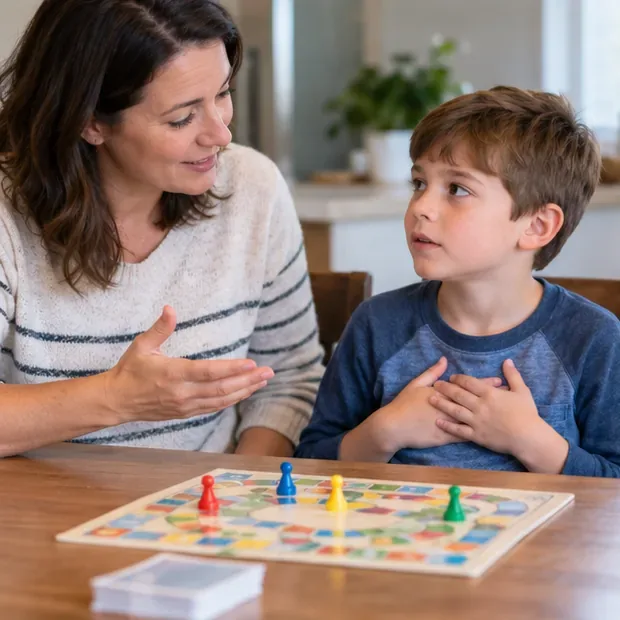
Teach children to handle losing without shame or explosive anger by validating feelings, setting behavior limits, modeling recovery, and practicing at the right difficulty.
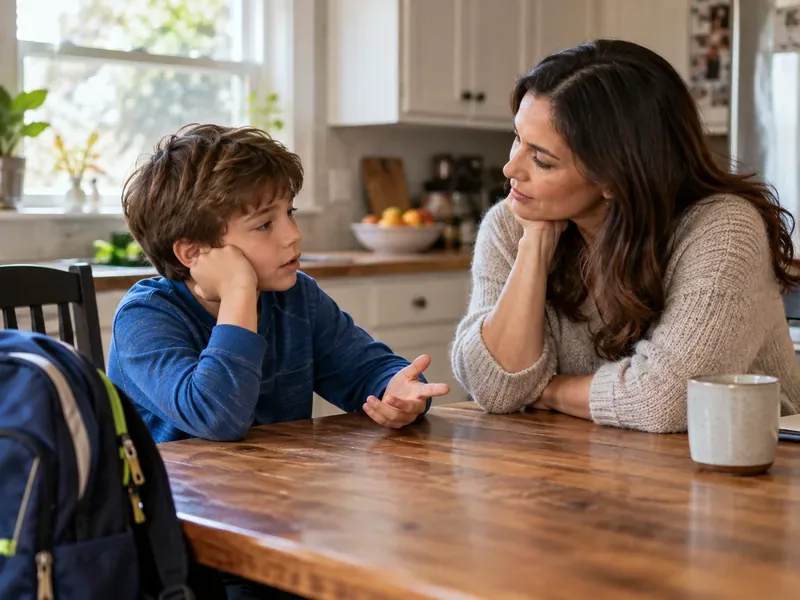
A calm, practical plan for after-school meltdowns: reduce overload, keep limits clear, track patterns, coordinate with school, and know when to seek help.
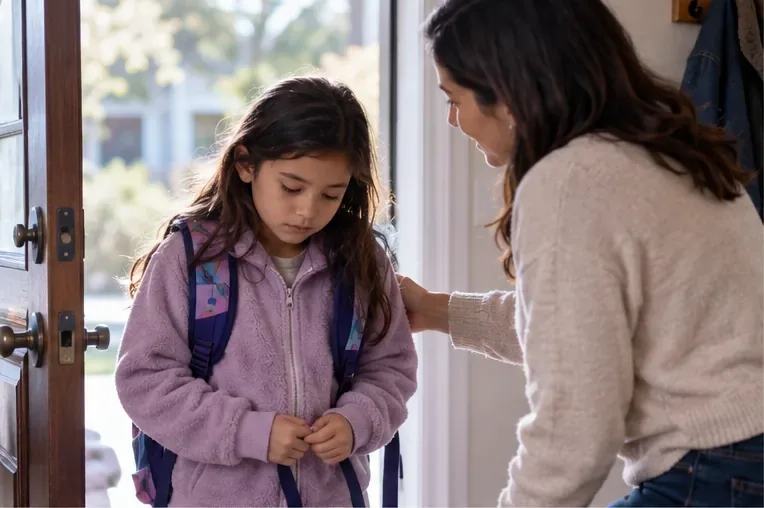
Learn how to respond when a child feels unwanted, ask supportive questions, recognize bullying or ongoing distress, and know when to seek extra help.
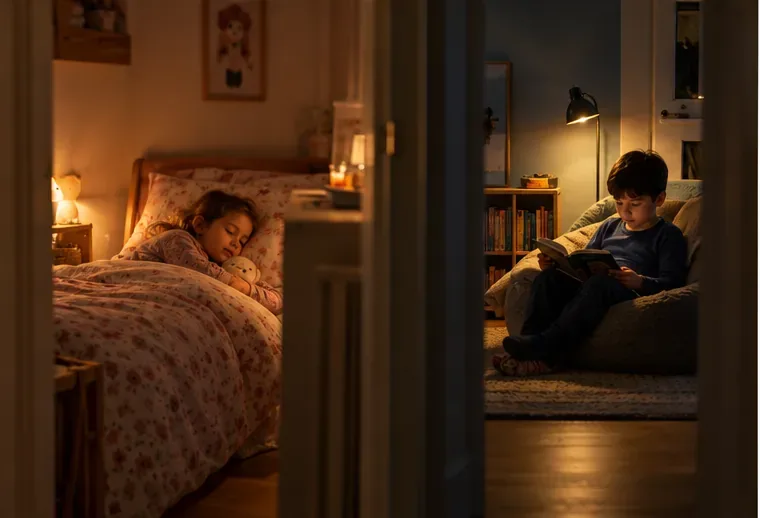
Learn how to set up a shared bedroom for siblings with different bedtimes, from planning around age-based sleep needs to creating separate sleep spaces and quiet routines.
Compare full-day, gradual, and temporary at-home return plans, plus health checks and school supports that can help a child reenter safely.
Learn when a child can try to solve a friendship problem, when adults should step in, and how to tell whether support is helping or needs to change.