Main content:
Development of 14 weeks fetus
Maternal body changes at 14 weeks of pregnancy
Doctor's advice about 14 week pregnancy
Maternal and fetal health at 14 weeks
Development of 14 weeks fetus
How does a 14-week-old fetus develop?
The 14-week-old fetus is about the size of a lemon, weighs about 45g and is about 9cm long from head to toe.
During the 14th week of pregnancy, hairs have developed on the baby's face. This undercoat develops and eventually covers the baby's body until the baby is born.
Now, your baby's genitals are fully developed but still quite difficult to detect on an ultrasound machine. In addition, your baby also begins to produce thyroid hormones by this time their thyroid is mature.
Maternal body changes at 14 weeks of pregnancy
14 weeks pregnant, how does mother's body change?
In certain cases (for example, if the mother is over 35 years old or if her tests indicate that there is a problem in the fetus), the doctor will recommend an amniocentesis . Amniocentesis is a test usually done between weeks 15 and 18 and can detect abnormalities in the fetus, such as Down syndrome .
During this test, a very thin needle is inserted into the amniotic fluid surrounding the baby in the uterus, a sample of the fluid is removed and the doctor will take it for analysis. This method has a low risk of miscarriage, so explain your concerns to your doctor and learn more about the benefits and risks of pregnancy tests you have to undergo.
What are the things you need to pay attention to?
Here's what you might experience during your 14th week of pregnancy:
Physically, mothers will:
Feeling tired
Peeing less during the day
Reducing or eliminating morning sickness (For a small number of women, morning sickness will continue, but for a few others this is only just beginning)
Constipation
Heartburn, indigestion, flatulence, bloating
Your breasts will continue to grow but not as soft as before
Occasional headache
Occasional fainting or dizziness, especially when suddenly changing position
Nasal congestion, frequent nosebleeds, and tinnitus
The gums are so sensitive that they bleed when brushing their teeth
Better appetite when eating
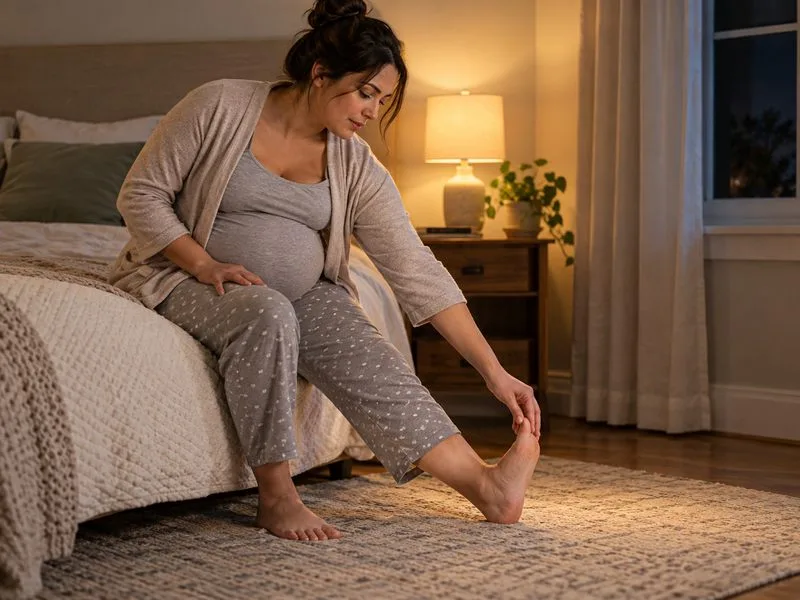
Mild swelling in the ankles, feet, hands, and face
Varicose veins in the legs or have hemorrhoids
Increased vaginal discharge
Feel the baby's movement near the end of the month. You can still feel your baby's movement around the fourth month of pregnancy, but this only happens when this is the mother's second or next pregnancy.
Doctor's advice about 14 week pregnancy
What should mom discuss with the doctor?
Difficulty sleeping is very common in the period of 14 weeks fetus. Although the mother's sleeplessness can help her get used to the later sleepless nights to take care of her newborn baby, she still wants to sleep more. I need to remember that before taking sleeping pills , consult your doctor. Maybe the doctor will have other ways to help you sleep without facing the risks of taking the medicine.
What tests do you need to know?
Depending on the specific needs of the mother and the examination style of the doctor, the mother may be examined for:
Measure your weight and blood pressure
Check for sugar and protein in the urine
Check the fetal heart rate
Check the size of the uterus by touching the outside
Measure the height from the base of the uterus
Check to see if mother's hands and feet are swollen or varicose veins
Tell your doctor about any symptoms your mother experienced, especially any unusual symptoms
Ask questions or issues you want to discuss. You should make a list of questions before the exam.
Maternal and fetal health at 14 weeks
What do you need to know to ensure safety during pregnancy?
1. Tap water
Some studies suggest that in some places drinking tap water during pregnancy is associated with miscarriages, birth defects and lower birth weight. However, studies do not make it clear that tap water is the culprit of these problems. We also do not have any reliable data to suggest that bottled water is safer.
2. Soak in hot water
If your family has a bath, avoid soaking in hot water that can raise your mother's temperature by more than 39 degrees C for more than 10 minutes. High temperatures can cause a number of problems for mother and baby, such as:
Low blood pressure, decreased oxygen and nutrients the baby can absorb and increase the mother's chances of miscarriage
Dizziness and feeling weak
Birth defects, especially when the mother is soaked in hot water for too long in the first 3 months of pregnancy .
That's why too hot saunas, hot tubs, saunas, tubs and showers are not safe for pregnant women at 14th week. Hot showers can be very good. But you should avoid taking a long bath.