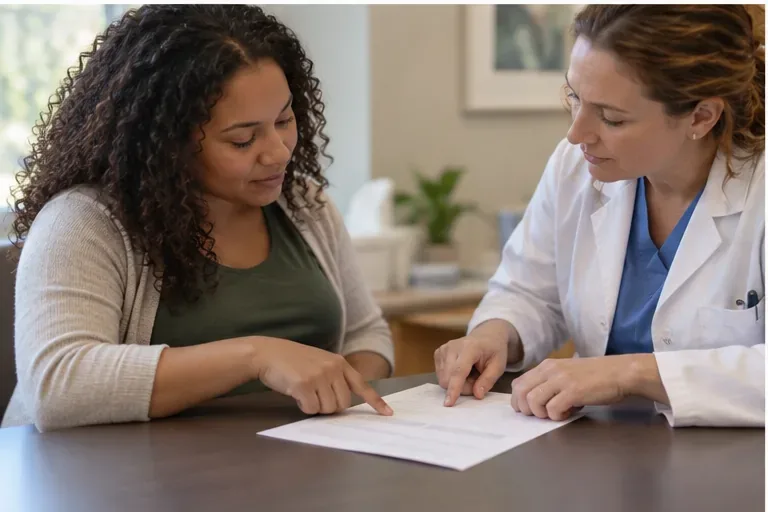
Tests during pregnancy are essential to the timely detection of potential risks to mother and baby. Pregnant mothers should remember the following pregnancy tests to ensure a healthy pregnancy.
Pregnancy will cause your body and life to undergo many changes. You also have to go through a lot of different pregnancy tests to make sure nothing is wrong for you and your baby. So, what tests will you have to do? Let's see.
Tests in the first trimester
Tests in the early stages of pregnancy are very important because they help determine the fetal presence in your womb. Besides, it also helps to track the baby's development. During the first trimester of pregnancy , you'll need to have the following tests:
1. Blood test
Your blood sample will be tested to check:
Measles immunity
Immune to chickenpox
Hepatitis B
Syphilis
HIV
Hemoglobin concentration
The Rh factor
Blood group
Exposure to smallpox
Ultrasound also helps confirm pregnancy and calculate due date.
2. Urine test
A urine sample will be collected for testing:
Do you have a urinary tract or kidney infection.
HCG (a pregnancy hormone secreted by the placenta).
Presence of glucose in the urine ( gestational diabetes ).
In addition to the usual tests above, you can also perform screening tests to detect some of the following risks:
Pregnancy associated Plasma Protein (PAPP) test helps determine the normal number of chromosomes in the body and rule out genetic disorders.
The nape of the nape of the neck will be checked through ultrasound. It helps to eliminate the presence of Down syndrome .
Tests in the second trimester
As you get past the early stages of pregnancy, you'll enjoy a little bit of comfort. However, there are a few important tests you need to be done to check for anything wrong:
1. Blood test
A blood test to check:
Root canal defect
Diabetes during pregnancy by measuring blood sugar
2. Urine test
To check for risk factors such as:
Preeclampsia
Urinary tract infections
3. Ultrasound

Ultrasound works:
Detects Down syndrome
Ensuring the normal development of the baby according to gestational age
Check if you are pregnant with multiple pregnancies
Measure the length of the cervix
Check fetal movements.
Amniocentesis is a test done if the results of the above tests show abnormal signs. This is a test used to check for genetic disorders.
Tests in the third trimester
You have passed 2 trimesters and this is the last trimester. This stage is very important and you need to do some of the following tests:
1. Ultrasound
Ultrasound to check:
Amniotic fluid amount
Your baby's development by measuring the femur, head and midsection
Your baby's position to determine if you need a cesarean section
Check your baby's heart rate and health
Placenta position and cervix
2. Some other important tests
In addition, you must have the following tests:
Urine testing is done for the reason outlined in the second trimester.
Blood tests are also done to check for sugar and iron, especially if they have been abnormal in previous tests.
Group B streptococcal test, an infection caused by bacteria. This test is done by wiping the vagina and rectum with a gauze and checking for the presence of bacteria.
A non-stess test may also be done to measure the fetal heart rate and movement.
These pregnancy tests are done with the aim of making sure you and your baby are safe. The number of attempts performed per woman will be different as it depends on the health complications encountered during pregnancy. Usually, these tests are prescribed by your doctor during monthly pregnancy check-ups. Therefore, you should follow your doctor's instructions, do not skip these necessary tests.