How to Teach Chores Without Redoing Every Task for Your Child
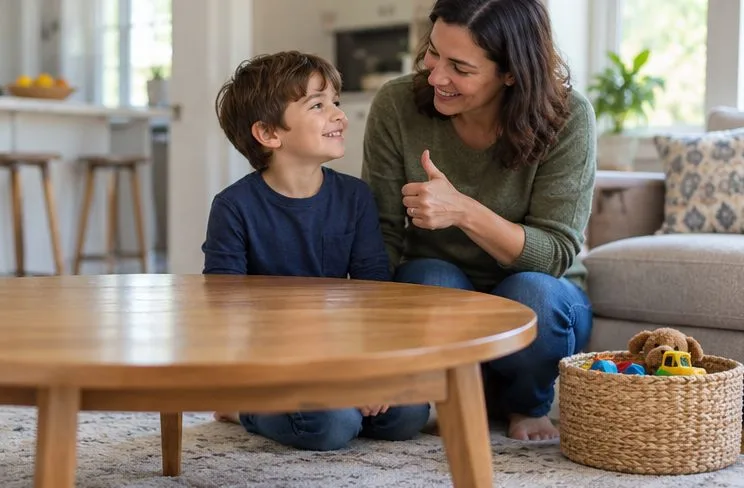
Teach kids to do chores with fewer reminders: set a clear finish line, model one task, step back, and correct only what is unsafe or unfinished.

Without parents around, babies will react in many different ways. Some babies will cry and fear or become panic for a moment when they cannot see their mother. They are known as "sticking" babies. The condition can last for some other children from birth, to begin to sit, to walk until the time that the child learns preschool. So how to make children less clingy to mothers?
To cope with this situation, you need quick responsiveness and time for your child to adapt. When your baby and mother have to separate from each other, not only the baby but you will also feel restless and worried. Although we often want children to stop crying when they are away from their parents, some people will think it is really a mistake for them to hold your feet and cry.
Although this is a perfectly normal reaction and a sign of a bond between parents and baby, it will sometimes prevent you or your partner from working, cooking, cleaning, or even postponing the fish. multiply to always be with the baby.
Below are your baby's anxiety responses to being away from parents and tips for you to improve the situation
Infant
Your baby will start to show these signs as he gets used to having a parent around. When your baby finds out that you are no longer around, she will feel insecure. A small number of babies begin to show these signs as early as 4 to 5 months of age, while most older babies develop the condition around 9 months of age. Your baby will be more fussy and crying if he is hungry, tired or unwell. You should only practice for a short time away from the mother to get acquainted in these days.
Children 1 - 2 years old
Many babies do not show signs of anxiety in infancy but develop the condition by 15 to 18 months of age. It is even more difficult to separate from parents when the baby is hungry, tired or sick, which is common in this age group! Children showing signs of anxiety when they are away from their parents at this age will often quickly detect your absence. Your baby will have reactions such as screaming, crying and difficult to calm down.
Kinder Garten
When the baby passed 3 years old, he realized how fussy and crying affects adults. But that does not mean that the baby will be obedient, but sometimes even more persistent. You must be determined to separate the baby, not to be affected by the baby's begging. You should act consistently with explanation and determination once you've decided to teach your baby in the right direction.
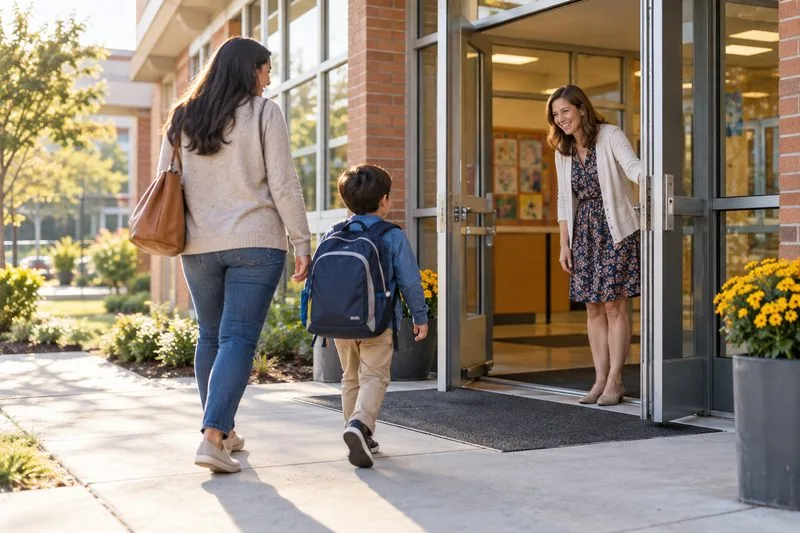
Shorten the time to say goodbye to your baby. You can kiss goodbye, give your baby toys or blankets to hug, .. whatever you do, you should act quickly. The longer the time to say goodbye, the anxiety in the baby will gradually increase and become more difficult for both mother and child.
Try to stick to your daily schedule to avoid unexpected situations. You also need to create a habit so that your child can easily accept being away from his mother and build trust and independence for him.
You also need to note that even though you are far away from your baby, you should also pay attention, show love and empathy with your baby. After that, you can say goodbye quickly, no matter if your baby is crying or fussy.
Besides, you should consider making a promise to be with your child, for example you will decide to return to the classroom to "visit" the child after about 1 hour, which is a serious mistake. Your baby will ask her again when you leave and maybe worse than the first. Instead, tell the truth that you'll come back home from school at 3pm (if your baby knows the clock) or say, “I will visit you after lunchtime and before eating. light afternoon ”. Or instead of saying: "I will go home after 3 days of business trip", share specifically: "I will go home after 3 times you go to bed at night and wake up in the morning". Please determine the exact time based on the baby's activity so that the baby can easily imagine.
And finally, you let your child practice. Parents can send the baby to the grandmother's house, make an appointment in advance to have a relative or friend watch over the baby for you on the weekends. Before your baby starts reaching school age or daycare, you can let your child practice going to school and away from parents beforehand. Your baby will have time to prepare, experience and get used to your absence!
This very rarely lasts until after one week to a maximum of 1 month after the child has been used to school. All parents love their children, but you should practice children to be independent early, not stick with parents so that their children can develop better social skills!
You can see more:
Childbirth side by side: How do parents take care of their children?
Take care of the first year of life and the mother is still leisurely: The day of the birth
Mom do not ignore the rule of eating for children from one to five years old
Teach kids to do chores with fewer reminders: set a clear finish line, model one task, step back, and correct only what is unsafe or unfinished.
Learn why toilet-trained children may start having pee or poop accidents again, what patterns to track, how to respond calmly, and when to call the pediatrician.
A child may repeat a reassurance question to process information, seek connection, or manage worry. Learn how to respond and when persistent anxiety needs support.
Learn how to set screen-time boundaries with predictable routines, warnings, calm follow-through, and better transitions—without turning every device handoff into a fight.
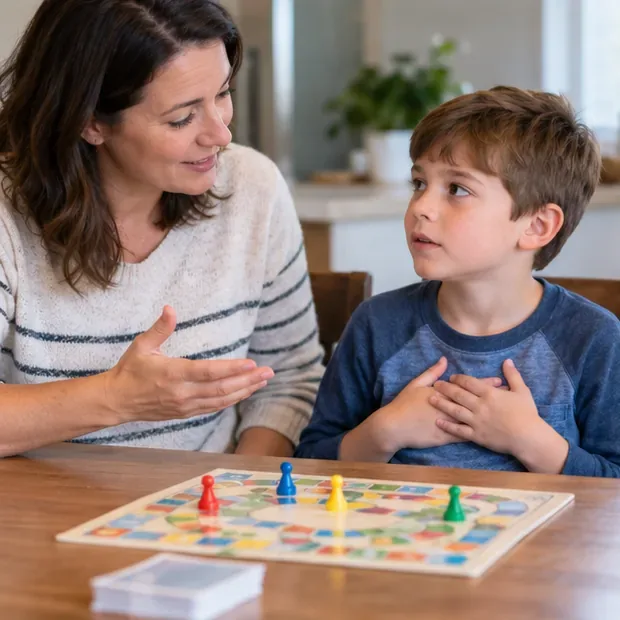
Teach children to handle losing without shame or explosive anger by validating feelings, setting behavior limits, modeling recovery, and practicing at the right difficulty.
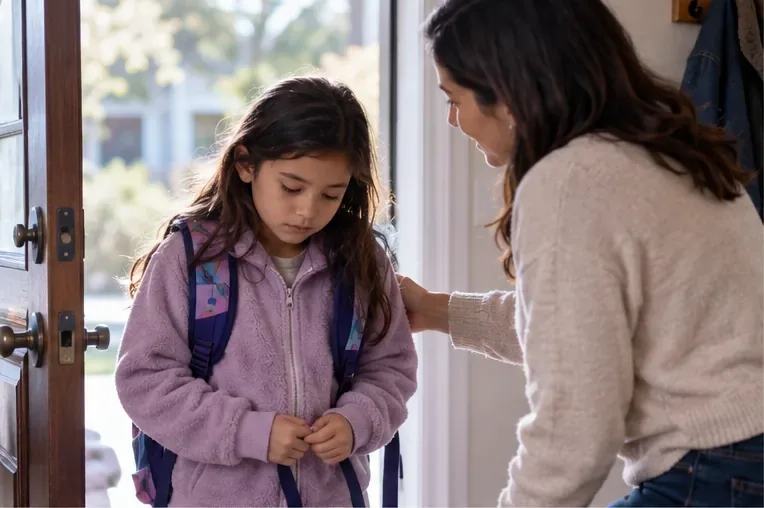
A calm, practical plan for after-school meltdowns: reduce overload, keep limits clear, track patterns, coordinate with school, and know when to seek help.
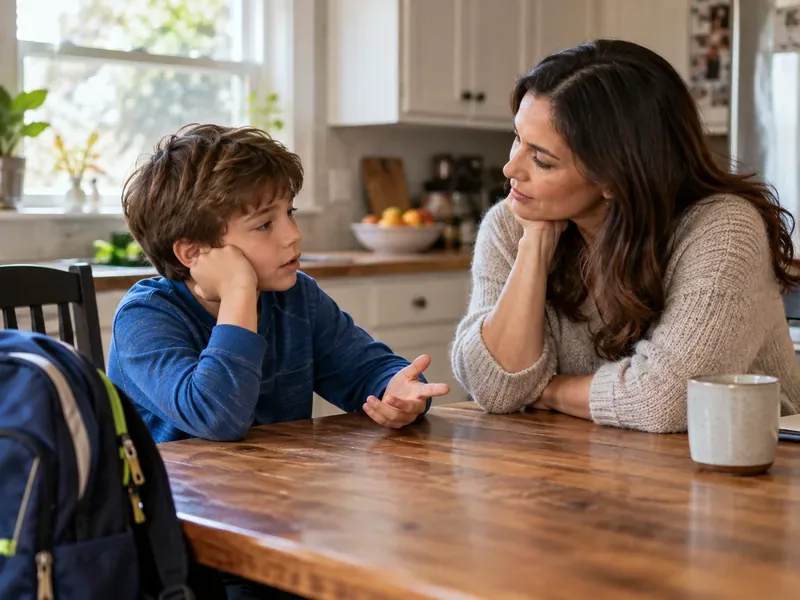
Learn how to respond when a child feels unwanted, ask supportive questions, recognize bullying or ongoing distress, and know when to seek extra help.
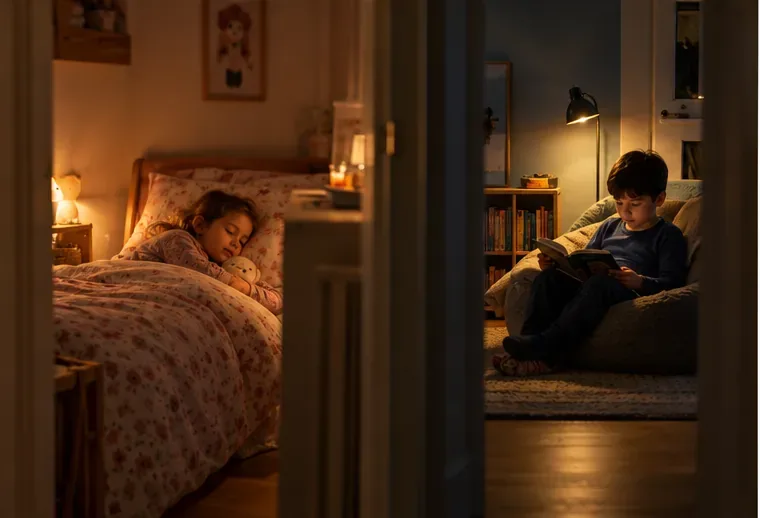
Learn how to set up a shared bedroom for siblings with different bedtimes, from planning around age-based sleep needs to creating separate sleep spaces and quiet routines.
Compare full-day, gradual, and temporary at-home return plans, plus health checks and school supports that can help a child reenter safely.
Learn when a child can try to solve a friendship problem, when adults should step in, and how to tell whether support is helping or needs to change.