How to Teach Chores Without Redoing Every Task for Your Child

Teach kids to do chores with fewer reminders: set a clear finish line, model one task, step back, and correct only what is unsafe or unfinished.

The fact that their child has obsessive-compulsive disorder (OCD) makes many parents very worried. So what are the options for treating the baby?
It is not easy to diagnose OCD and identify the cause. Work usually begins with a conversation between your child and a psychologist. Both parents and baby must fill out the questionnaire to let the doctor know about the child's condition.
In addition to psychological examination, your doctor may also recommend physical exams and some tests to rule out other conditions.
There is currently no cure for the disease, but symptoms should ease if you follow certain therapies. Mild cases are usually only treated with therapy, but if more severe, they must use drugs.
Psychotherapy is a type of cognitive behavioral therapy. This is the most effective treatment for OCD in children. This helps to correct your child's compulsive behaviors. Experts will try to find out the causes of these obsessive thoughts and eliminate them. This therapy takes time and can be a little difficult for young children.
Medication is an essential option for babies with OCD when other therapies are no longer viable. Doctors often prescribe selective serotonin reuptake inhibitors (SSRIs) to reduce anxiety, making it easier for your baby to receive therapies.
The combination of medication and behavioral therapy is a good treatment for serious cases. However, the best treatment depends on how your baby reacts.
When a baby has OCD, the whole family is affected. While the baby is suffering from the actions that they cannot control, the parents must try to find ways to calm the child's behavior.
Here are a few tips for you to take care of your baby and other family members:
Learn about OCD evidence by talking to a psychologist about your goals and what role you will play in the therapy;
Talk to your child about obsessive-compulsive disorder to help him understand that it's not his fault and he can learn to change his behavior with help from others;
Give OCD a special and humorous nickname so that your baby won't be worried about it being a serious illness;
Do not criticize your child for aggressive behavior, as this is only a symptom of a health condition, not a manifestation of his or her personality;
Give your child medication regularly;
Do not engage in or encourage coercive behaviors. Watch for signs of OCD to detect chills and eliminate them before they become difficult to control;
Explain that it takes time to treat your baby's siblings. This will help handle the other members' feelings of resentment.
OCD treatment takes time and is also very challenging. If you cannot prevent the disease, you should watch for and recognize the first symptoms of OCD so that you can treat it promptly.
Through the above sharing, hopefully you have had some more useful information about obsessive-compulsive disorder in children. Treatment of this disease takes a long time, so be patient.
Teach kids to do chores with fewer reminders: set a clear finish line, model one task, step back, and correct only what is unsafe or unfinished.
Learn why toilet-trained children may start having pee or poop accidents again, what patterns to track, how to respond calmly, and when to call the pediatrician.
A child may repeat a reassurance question to process information, seek connection, or manage worry. Learn how to respond and when persistent anxiety needs support.
Learn how to set screen-time boundaries with predictable routines, warnings, calm follow-through, and better transitions—without turning every device handoff into a fight.
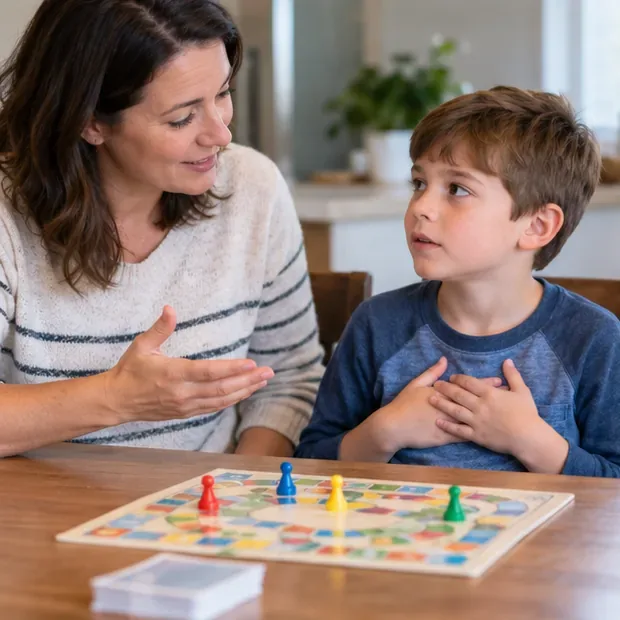
Teach children to handle losing without shame or explosive anger by validating feelings, setting behavior limits, modeling recovery, and practicing at the right difficulty.
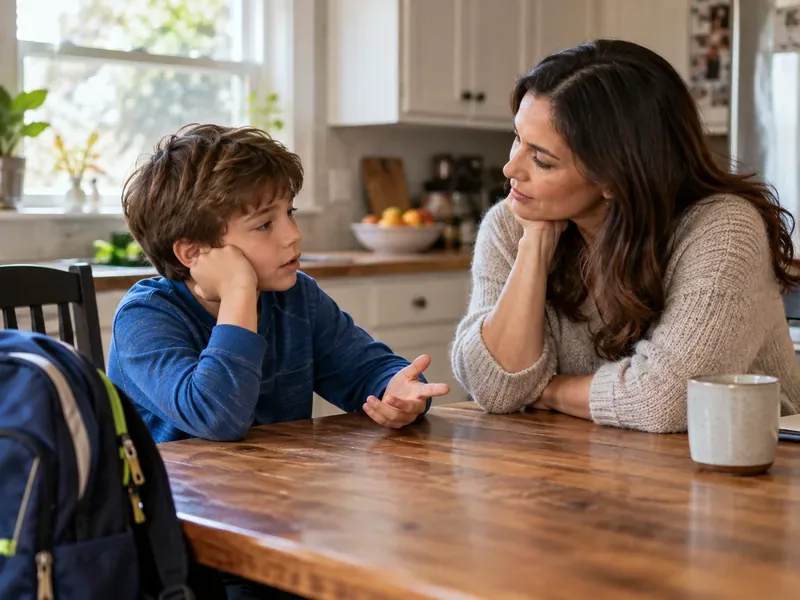
A calm, practical plan for after-school meltdowns: reduce overload, keep limits clear, track patterns, coordinate with school, and know when to seek help.
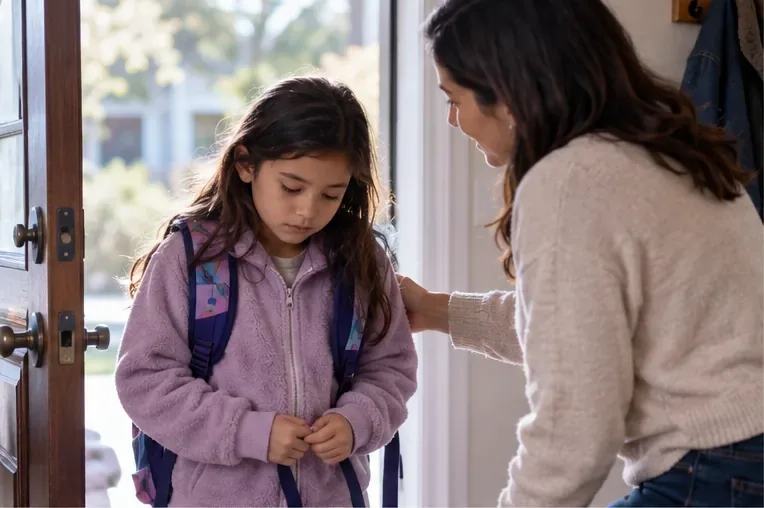
Learn how to respond when a child feels unwanted, ask supportive questions, recognize bullying or ongoing distress, and know when to seek extra help.
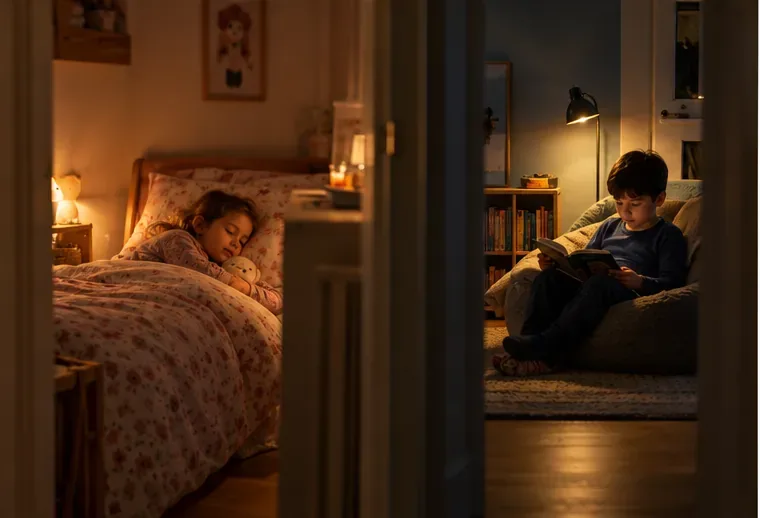
Learn how to set up a shared bedroom for siblings with different bedtimes, from planning around age-based sleep needs to creating separate sleep spaces and quiet routines.
Compare full-day, gradual, and temporary at-home return plans, plus health checks and school supports that can help a child reenter safely.
Learn when a child can try to solve a friendship problem, when adults should step in, and how to tell whether support is helping or needs to change.