How to Teach Chores Without Redoing Every Task for Your Child

Teach kids to do chores with fewer reminders: set a clear finish line, model one task, step back, and correct only what is unsafe or unfinished.

Crying is the first and most essential form of communication an infant can do. Immediately upon birth, babies have this ability. There are many reasons that can cause fussy babies: babies are hungry, babies have wet diapers, their feet are cold, babies feel tired… or even for no reason.
Babies often cry a lot, on average 1-4 four hours a day. It's an important part of adjusting to life outside of your baby's womb. Sometimes by month one, a few babies are ready to smile. This is also the kind of language your baby can express at this point.
You can often be dissatisfied when your baby is angry, but rest assured that this is something most babies go through with each age. It is perfectly okay for your child to be angry at times, but you need to learn how to "taste" the fussy sound of your baby to meet his needs.
Some of the most common reasons babies are fussy include:
Most babies eat 6-10 times in a 24 hour period. So for at least the first three months, babies usually wake up to feed at night.
Babies may cry from wet or dirty diapers, bloating or indigestion, or an uncomfortable temperature or position. When babies are uncomfortable, they may be looking for something to suck on. Breastfeeding won't relieve your baby's discomfort, and pacifiers can only be comfortable for a short time. When the discomfort subsides, your baby should settle back into settlement.
Sometimes a baby will cry because he is bored, scared or alone, wanting to be cuddled and cuddled. If your baby seeks comfort, he can only be calm when he is assured that he sees her, hears her voice, feels her touch, is with her, is cuddled or given something. that to suck.
The fact that crying helps babies who are too tired or too excited can "close" sight, hearing and other senses. It also helps to reduce stress in children. You may notice that fussy times occur at predictable times of the day, usually between dusk and midnight. It seems there is nothing you can do at these times to comfort your baby, but after that he seems more agile than before and can sleep more deeply . This fussy pattern helps babies throw excess energy out.
Sometimes, you may feel as though your baby is crying out of anger at his / her parent or you even think he doesn't like you. Don't go into that, rest assured that your baby loves you and you are her world. Babies simply cry because they have no other way to show you that they want your attention to satisfy their needs.
As you spend a lot of time with your baby, you will gradually understand how to know exactly what is 'bothering' your baby. By responding to your baby, you can quickly make them feel happier.
However, if you are still concerned or feel overwhelmed, you can talk to a trusted professional or doctor. They are used to dealing with parental concerns and will be more than happy to help.
As they get older, they can express their anger in body language. Babies may bend their back to show that they are angry. There will be more and more things that will upset your baby as he tries to conquer new skills. If your baby cries when stuck in an impossible situation, this is okay. For example, your baby may have learned to turn over but he or she cries because it needs your help to be able to stay back as it was.
If your baby is upset with a toy, you can help your baby interact with it, not distract him and put it away. In the event that your baby is sleeping and crying when the sleep is suddenly interrupted, do your best to calm your baby by petting or cuddling. After that, the mother tries to get the baby back to her normal sleep as soon as possible.
Frustration and crying are a natural part of a baby's development . You should stay calm and responsive to help your baby grow with the feeling of being protected and loved by his mother.
Teach kids to do chores with fewer reminders: set a clear finish line, model one task, step back, and correct only what is unsafe or unfinished.
Learn why toilet-trained children may start having pee or poop accidents again, what patterns to track, how to respond calmly, and when to call the pediatrician.
A child may repeat a reassurance question to process information, seek connection, or manage worry. Learn how to respond and when persistent anxiety needs support.
Learn how to set screen-time boundaries with predictable routines, warnings, calm follow-through, and better transitions—without turning every device handoff into a fight.
Teach children to handle losing without shame or explosive anger by validating feelings, setting behavior limits, modeling recovery, and practicing at the right difficulty.
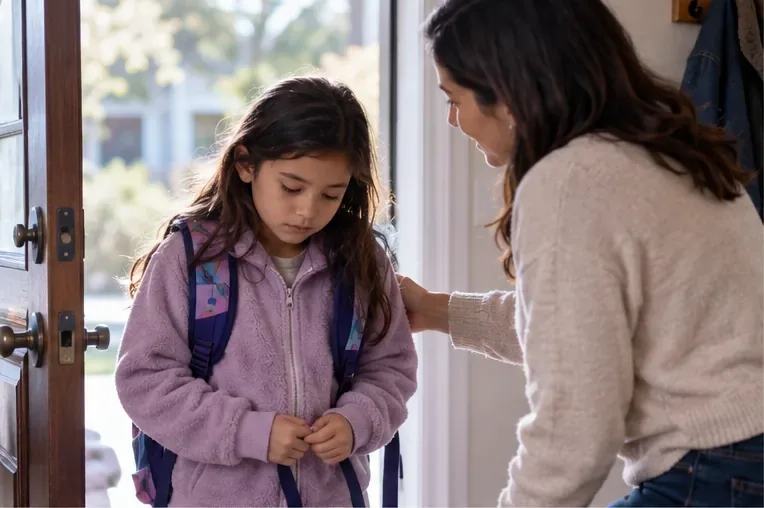
A calm, practical plan for after-school meltdowns: reduce overload, keep limits clear, track patterns, coordinate with school, and know when to seek help.
Learn how to respond when a child feels unwanted, ask supportive questions, recognize bullying or ongoing distress, and know when to seek extra help.
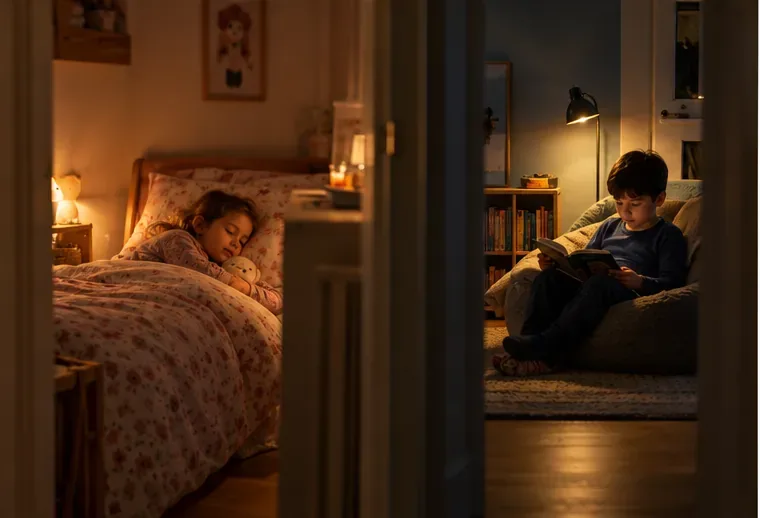
Learn how to set up a shared bedroom for siblings with different bedtimes, from planning around age-based sleep needs to creating separate sleep spaces and quiet routines.
Compare full-day, gradual, and temporary at-home return plans, plus health checks and school supports that can help a child reenter safely.
Learn when a child can try to solve a friendship problem, when adults should step in, and how to tell whether support is helping or needs to change.