How to Teach Chores Without Redoing Every Task for Your Child
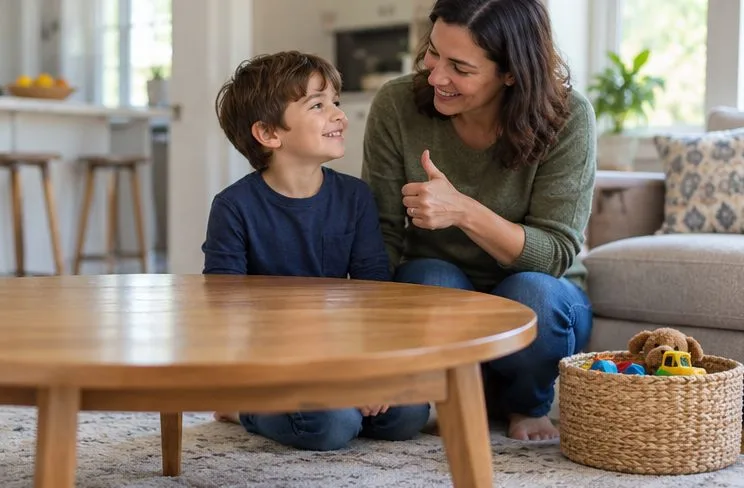
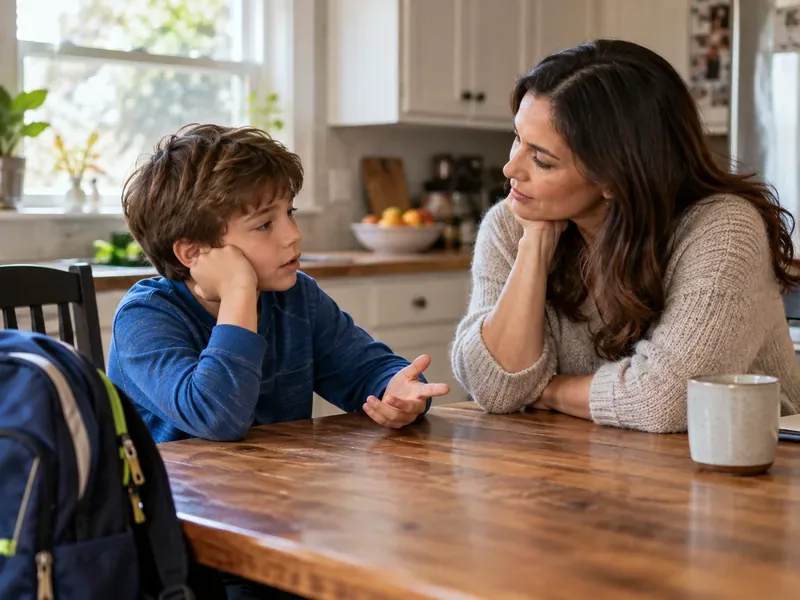
Teach kids to do chores with fewer reminders: set a clear finish line, model one task, step back, and correct only what is unsafe or unfinished.
You are often bitten by your baby and very uncomfortable and painful because of this. Find out the reasons and fix so that your baby does not bite.
Like to bite is a common behavior in toddlers. If your baby is in this situation, do not worry too much because you are not the only one to encounter this. All young children go through this stage. Your baby may enjoy biting at toys, pacifiers, or even biting others. Some babies understand that biting will hurt and stop themselves, while others continue.
Some babies often like to bite their nails . The main cause is depression, stress, curiosity ... If your baby likes to bite but this action does not hurt himself, then nothing to worry about. Over time, this behavior will gradually disappear. Sometimes, young children will enjoy biting others. If your baby has this behavior, you need to find out why to take measures to help him give up.
When they cannot speak, it is difficult for young children to communicate with adults. Therefore, the baby's bad behavior often stems from this cause for the baby to express his or her feelings. This is normal for 1-3 years old.
Besides, at this age, children have to interact with strangers and learn to behave. This sometimes makes the baby feel stressed and want to relieve it. So, instead of panicking about your baby's "weird" behavior, focus on finding out why your baby likes to bite. Here are a few of the most common reasons babies like to bite:
1. Attract attention
Young children are often very intelligent. Your baby finds that when he bites, he attracts your attention. This is a common reason that can help you explain this weird behavior in your baby. Besides, coping with too difficult activities often makes babies feel frustrated and want to bite. Sometimes, babies love to bite because they want to tell them they are feeling lonely, jealous or helpless.
2. Expressing or being angry
Young children often have difficulty communicating their wishes. Therefore, biting is the most common way to express anger, frustration, and unhappiness. This strong emotion is also the cause of the baby biting other children.
1. Teething
Your baby is entering the teething stage . This is one of the important reasons why babies love to bite. When the teeth come up, the baby will feel uncomfortable in the mouth, so they want to bite other people and objects because the teeth come up causing the baby to hurt.
2. Want to explore
Young children are often very curious and always want to explore the world through their senses. Therefore, many babies often put objects in their mouths to find out what it is.
3. Fatigue
Babies are often very active, do not want to rest and try to avoid feeling sleepy. Continuous play, too much exposure to light and sounds or exposure to unfamiliar environments will make your baby feel tired. Watching TV for too long also makes babies feel restless and like to bite.

Do not feel scared or angry if your baby likes to bite. Instead, try to find out why your baby is like this and find ways to help your baby get rid of this behavior. If your baby is biting you for the first time, push him or her gently. This helps your baby understand that biting is not correct. If you respond appropriately to your baby's behavior, your baby will not repeat the behavior.
Therefore, you should react immediately, redirect your baby's attention to another activity, offer him a toy or a snack to eliminate the need to bite. Remember why your baby is biting you and be attentive to these situations. This will help you determine when your baby wants to bite you again to attract him to another activity. The following steps will help your baby no longer like to bite:
Young children often do not like sharing with others about their objects. If you take the baby's, the baby will bite. With the above reasons, you should see what situation your child falls into to take remedial measures.
Let the baby stay alone.
If your baby feels uncomfortable in a crowded place, get him out of there.
Make choices and let them decide what they want. This gives the baby a sense of initiative, reducing frustration.
Teaching children to use language to express wants requires the patience and diligence of both parents and babies.
Speak softly and clearly when guiding your baby, do not scold them.
Young children cannot understand that their biting will hurt others. Try to explain to your baby that when biting, other people will be very painful.
If your baby is teething, give him soft objects to chew on. Carrots, cucumbers or biscuits all help reduce the itching sensation. A pacifier is also a solution to this problem.
Time spent playing, watching TV and other activities should be balanced with the rest. Create a comfortable area in your home where your baby can relax. Decorate the area with objects your baby likes like music toys, books or small balls. Encourage your baby to spend time in this area so he feels relaxed.
It is difficult to calm down when the baby bites, but you need to remember: Do not scold the baby, be sympathetic for the baby. If your baby likes to bite, don't stress too much. Like to bite is a common behavior of young children and this is not their fault. Your patience, understanding and understanding will help your baby quit this habit. Your baby will no longer like to bite when he feels loved and happy.
In addition, when the baby bites and the wound is quite deep, please refer to the article Do not be subjective with the bites when your child plays with you .
Teach kids to do chores with fewer reminders: set a clear finish line, model one task, step back, and correct only what is unsafe or unfinished.
Learn why toilet-trained children may start having pee or poop accidents again, what patterns to track, how to respond calmly, and when to call the pediatrician.
A child may repeat a reassurance question to process information, seek connection, or manage worry. Learn how to respond and when persistent anxiety needs support.
Learn how to set screen-time boundaries with predictable routines, warnings, calm follow-through, and better transitions—without turning every device handoff into a fight.
Teach children to handle losing without shame or explosive anger by validating feelings, setting behavior limits, modeling recovery, and practicing at the right difficulty.
A calm, practical plan for after-school meltdowns: reduce overload, keep limits clear, track patterns, coordinate with school, and know when to seek help.
Learn how to respond when a child feels unwanted, ask supportive questions, recognize bullying or ongoing distress, and know when to seek extra help.
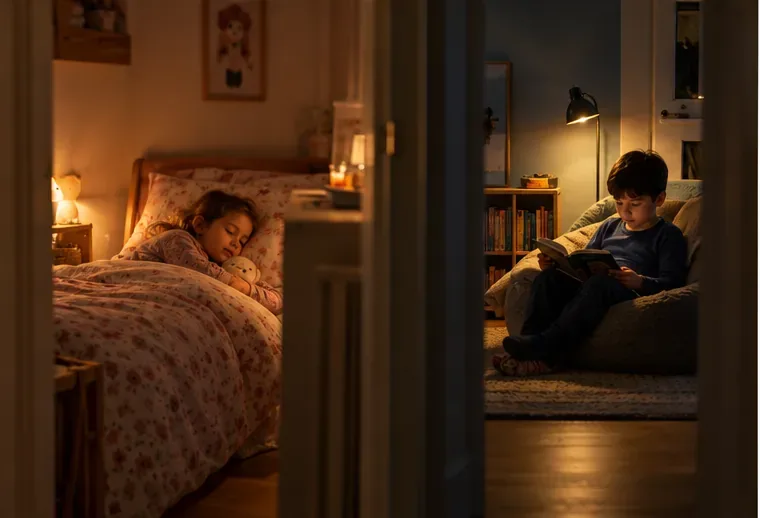
Learn how to set up a shared bedroom for siblings with different bedtimes, from planning around age-based sleep needs to creating separate sleep spaces and quiet routines.
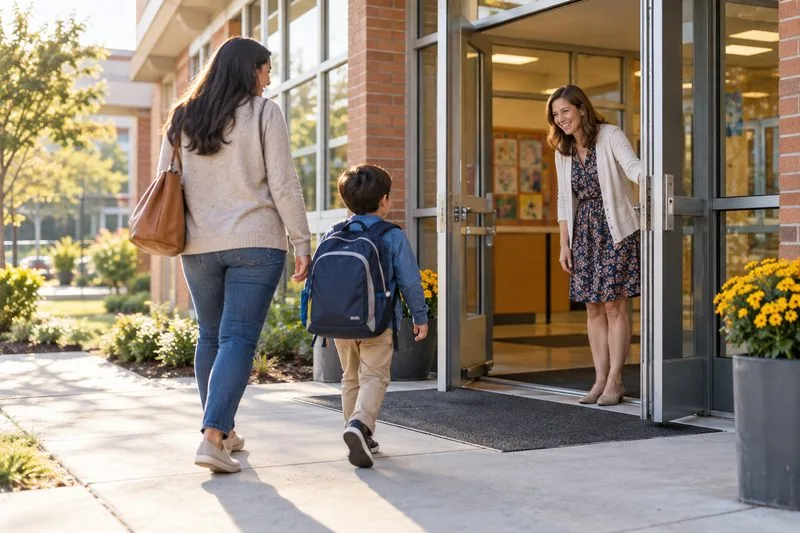
Compare full-day, gradual, and temporary at-home return plans, plus health checks and school supports that can help a child reenter safely.
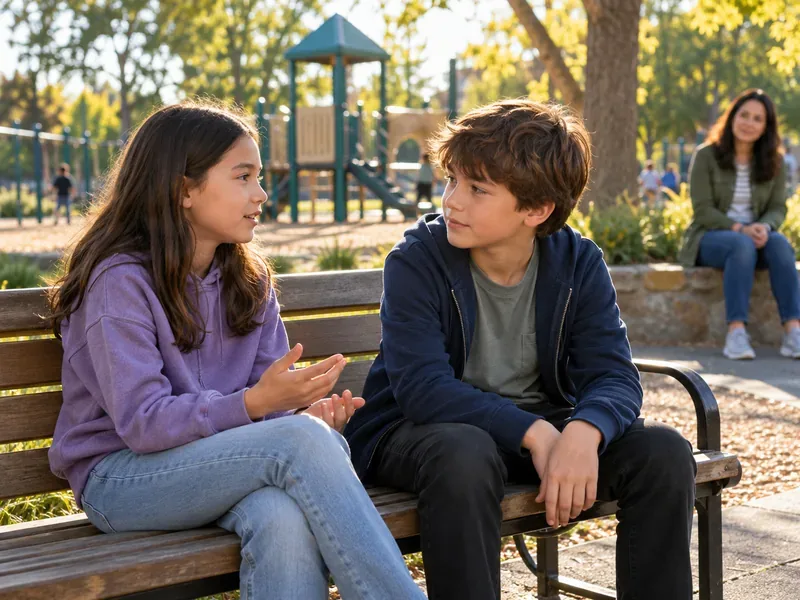
Learn when a child can try to solve a friendship problem, when adults should step in, and how to tell whether support is helping or needs to change.