How to Teach Chores Without Redoing Every Task for Your Child

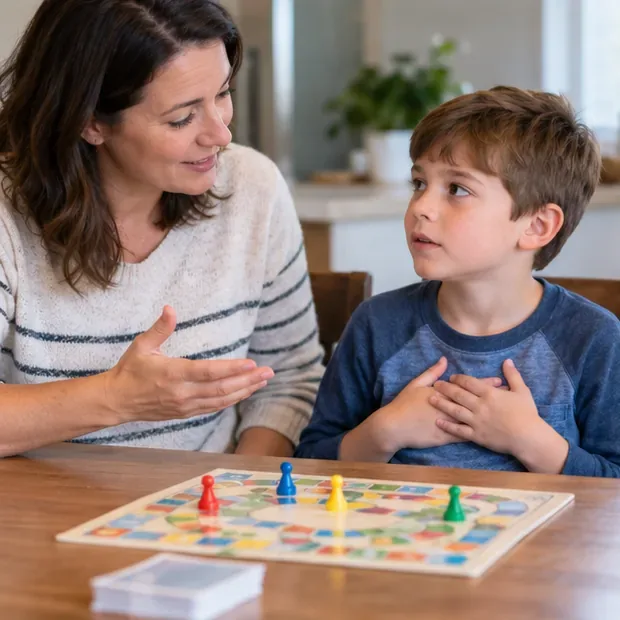
Teach kids to do chores with fewer reminders: set a clear finish line, model one task, step back, and correct only what is unsafe or unfinished.

The phenomenon of discoloration in newborns can come from many causes such as eczema, cyanosis, rash, age spots ...
Changing skin color is only a normal part of childhood. They depend on the color of the skin and whether the baby has any health problems. Most of the reasons for skin discoloration in a newborn are usually not dangerous; symptoms may appear and go away on their own depending on the situation. The following article, aFamilyToday Health will point out 5 causes of baby skin discoloration so you can consider whether or not to take your baby to the doctor.
Acrocyanosis is a type of gray cell that causes young skin to turn blue. In a newborn, the circulatory system can take a long time to fully develop. However, the condition is quite benign for healthy babies and should go away after 48 hours. The cause of this phenomenon is due to the constriction of blood vessels after giving birth, and less oxygen to the arms and legs.
Symptoms: Baby's skin turns blue on the hands, feet, lips, and face. Usually there are no other symptoms if the baby has a normal health index.
Dermatosis occurs due to increased humidity and temperature. This is one of the most common causes of gangrene because babies wear wet diapers for a long time. Therefore, keep an eye on when the diaper is full and change your baby's diaper.
Symptoms: You will see that your baby's skin has red spots, itchy and painful sensation.
A red rash appears right after birth and can last 2 - 3 months. Your baby may also have bumps on the nose, caused by blocked oil glands. The cause is sometimes due to the amount of hormone passed to the baby by the mother.
Symptoms: The small rash has a white or yellow nucleus. Red spots appear abnormally in areas of the chest, back, or face.
Discoloration of the baby's skin can also result from eczema. Babies with white skin tend to be sensitive to allergens through food and skin contact. Although your child may not always have an allergic reaction, sometimes it is a reaction to trigger the disease. Dry skin also sometimes causes eczema.
Symptoms: Redness in the face, neck, chest, arms and thighs, itching, as well as open skin.
The rash appears quickly and spreads after exposure to the allergen. It is the immune system's response to food or external allergens that the body is sensitive to. Infants can be sensitive to a variety of foods, perfumes and dyes due to their incomplete immune systems.
Symptoms: Redness, itching, difficulty breathing, and possible abdominal pain (vomiting, stomach pain or diarrhea).
Teach kids to do chores with fewer reminders: set a clear finish line, model one task, step back, and correct only what is unsafe or unfinished.
Learn why toilet-trained children may start having pee or poop accidents again, what patterns to track, how to respond calmly, and when to call the pediatrician.
A child may repeat a reassurance question to process information, seek connection, or manage worry. Learn how to respond and when persistent anxiety needs support.
Learn how to set screen-time boundaries with predictable routines, warnings, calm follow-through, and better transitions—without turning every device handoff into a fight.
Teach children to handle losing without shame or explosive anger by validating feelings, setting behavior limits, modeling recovery, and practicing at the right difficulty.
A calm, practical plan for after-school meltdowns: reduce overload, keep limits clear, track patterns, coordinate with school, and know when to seek help.
Learn how to respond when a child feels unwanted, ask supportive questions, recognize bullying or ongoing distress, and know when to seek extra help.
Learn how to set up a shared bedroom for siblings with different bedtimes, from planning around age-based sleep needs to creating separate sleep spaces and quiet routines.
Compare full-day, gradual, and temporary at-home return plans, plus health checks and school supports that can help a child reenter safely.
Learn when a child can try to solve a friendship problem, when adults should step in, and how to tell whether support is helping or needs to change.