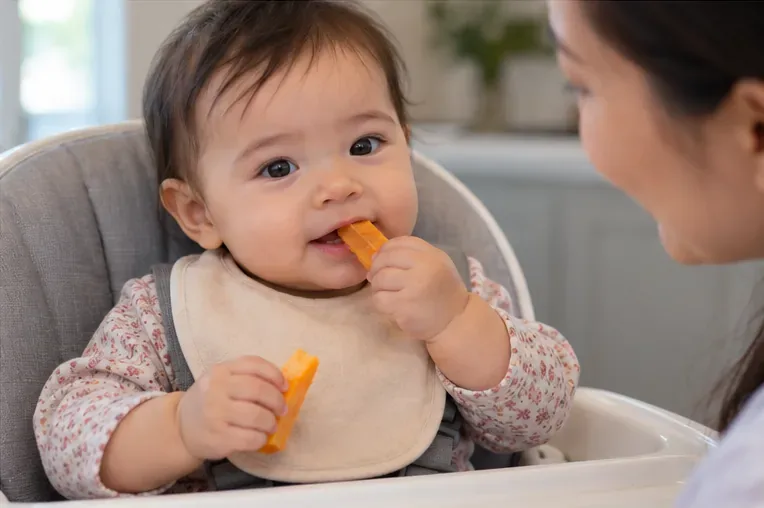
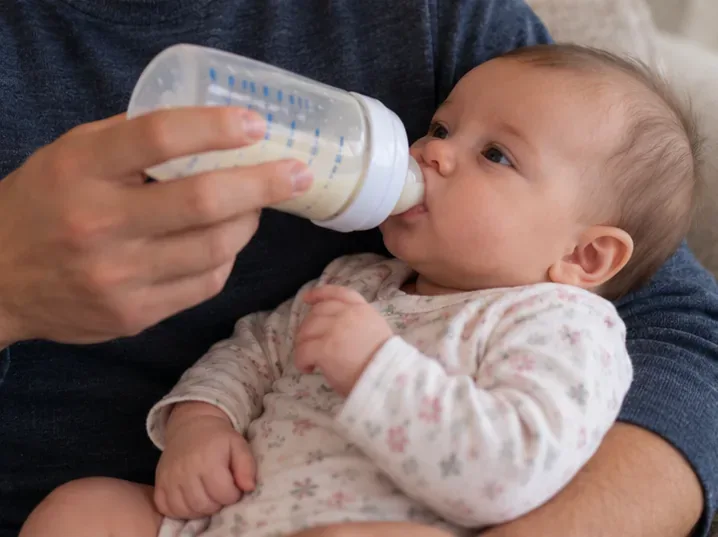
While articles on healthy diets always emphasize fat loss, this is inaccurate when applying to children's diets. Fat is an important ingredient in a baby's diet
Demand for fat by age
For young children, fat is extremely important for the development of the brain, and is an indispensable source of energy for the body. If your baby is under 2 years old, limiting fat absorption is not recommended. Between the ages of 1 and 3, babies need a diverse diet , in which 30% to 35% of energy will be provided by fat. From the age of 4 to 18 years old, the amount of fat will provide 25% to 35% of the necessary energy for the baby's body.
Different types of fats
Not all fats are harmful. You need to understand the usage and allowable amount. There are 3 types of fats that mothers need to know. These are:
-Saturated fats: The fats belonging to this group are good for health. Unsaturated fats are divided into 3 groups. Monounsaturated fats are found in avocados, olives, peanuts ... The polyunsaturated fats are present in most vegetable oils. Fatty acids omega-3 and omega-6 fats are found in fatty fish like salmon, tuna.
Saturated Fat: Eating too much of these fats can lead to increased blood cholesterol and an increased risk of heart disease. Saturated fats are present in meat and animal products such as butter, shortening, cheese , milk, palm oil, coconut oil, and baked goods.
Trans fats or trans fats: They are made when vegetable oils are hydrogenated to form a solid form even at normal temperature. Trans fats are found in margarine, snacks, baked goods, and fried foods sold. This type of fat also carries risks for the heart and blood cholesterol. However, many manufacturers label the ingredient on their label as "hydrogenated fat".

High-fat fried foods often taste delicious and lead to babies eating more than necessary
Fat Identification
When shopping for food for the family, mothers can skim the amount of nutrients in one serving to avoid buying foods with excess fat.
- Foods labeled fat-free or "fat-free": contain less than 0.5g fat per serving -
Low-fat or "low-fat" foods: contain less than 3g fat per serving
Low-fat foods (light fat - lite): This is a clever use of the manufacturer's words, the fat content can be up to nearly 50% of the total nutritional content.
Reduced-fat foods: Are foods that contain less than 25% fat per serving, this content can still be quite high.