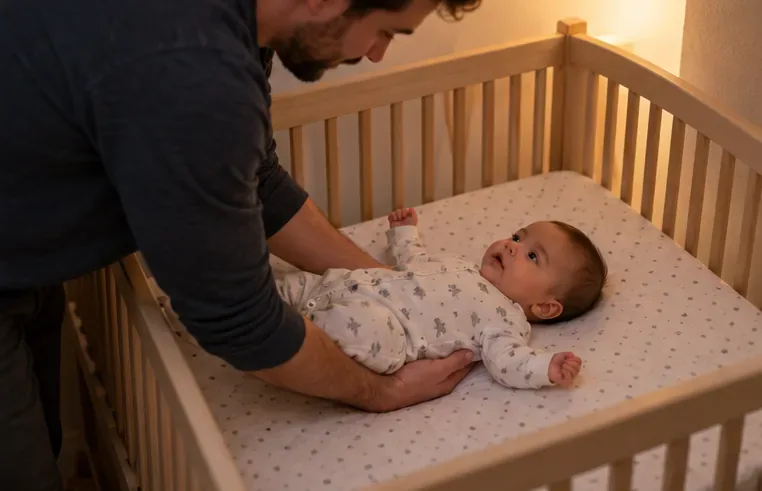
High-grade febrile convulsions is a common phenomenon in young children, this not only seriously affects the health but also has a potential risk of epilepsy in the future. When children see high fever convulsions, mothers need to handle quickly to avoid dangerous sequelae.
content
Signs of high fever seizures
Expression of high fever convulsions
How to handle a child with high fever seizures
How to prevent convulsions due to high fever
Children with high fever can shock affect the brain?
Febrile convulsions are common in infants or young children, children from 3 months to 5 years old. Children with high fever may have convulsions due to infection, infection or virus, such as when they have sore throat , tonsillitis or encephalitis, meningitis , etc. vaccination number.

A febrile seizure if not handled in time can lead to many negative effects on your baby's health
Signs of high fever seizures
- When the baby's body temperature is from 39.2 degrees C it is time for his baby's body to seize.
-Child has a high fever, the forehead and body are hot, but the limbs are cold and white.
-Child has a high fever, cheeks and face are red but lips are purple.
-Child has a high fever but cannot lower the temperature, every 3-4 hours, the baby has a fever again.
![Tell the mother how to quickly handle a high fever seizure]()
5 ways to reduce a fever for a baby without medication Fever is a common condition in infants and young children, so the fact that a baby has a fever seems nothing strange to mothers. But how to reduce a child's fever without using Western medicine is not necessarily known by all mothers.
Expression of high fever convulsions
- Children convulsed in episodes, legs and arms were jerking in waves.
-Children often cut their lips, teeth clenched causing lips to bleed. Accompanied by the baby's limbs trembling, trembling, shaking hands and feet.
-In addition, there are some children who again pout, lips tremble and cannot speak fully.
How to handle a child with high fever seizures
- Remove all clothes for children or loosen clothes, cool the body with a warm towel, wipe all over the child, especially in the armpits, groin and forehead. Wipe over and over again until the baby stops convulsing.
- Give fever-reducing medicine to children immediately, and remember to take the recommended dose, in mg / kg of body weight. In case a child with a seizure cannot take the drug, the antipyretic drug should be put in the anal area quickly. Children under 2 years old take paracetamol 80mg, older children take 150mg tablet.
- If the baby has convulsions, the mother can put a bucket in her mouth. However, the mother remembers to only insert a small piece and not let it be too long, because it will make the child unable to breathe.
- As soon as the child stops the seizure, parents should place the child on his side with his knees in a safe position, slightly back to avoid the anal fluid entering the lungs that could endanger their child's life.
- When the baby is stable, the mother should send the child to the nearest medical station for treatment to avoid dangerous recurrent seizures.
![Tell the mother how to quickly handle a high fever seizure]()
Children with a fever should eat and drink? For young children, when they have a fever for a long time, the body will be weakened, tired, leading to anorexia, so it is more difficult to recover. So what should babies eat to quickly overcome? Mother please add the following foods to the daily diet, to help your baby "fight" the annoyance and drowsiness brought by fever!
How to prevent convulsions due to high fever
Convulsions due to high fever in children are injuries or recurrences, causing danger to the child's life, so it is necessary to have prevention in the first place.
- When the child has a fever, it is necessary to bring him to a doctor for treatment in the first place.
- Give your child more fluids and rehydration. If the baby is still breastfed, feed the baby actively.
- Let the child lie in a cool place, wear light, thin clothes. Absolutely not incubated children.
- Regularly monitor the child's temperature by checking the temperature.
- Give the child fever-reducing medicine as soon as the body temperature is 38.5 degrees C, and at the same time cool the child's body by wiping the child with warm water.
After the child reduces the fever, the mother should quickly take the baby to the hospital to find out the cause of the febrile convulsions, and find ways to prevent recurrent seizures. Absolutely do not squeeze lemon into the child's mouth, because the risk of choking, choking on lemon seeds, lemons while having convulsions is very high. In addition, mothers should not use lemon to rub all over the baby or put his hand in the mouth while the baby is convulsing.
Children with high fever can shock affect the brain?
When a child has a seizure, there is a risk of oxygen deprivation in the brain. Prolonged seizures can lead to serious brain effects. In addition, at the moment of convulsions, children can also lead to many dangerous complications such as biting their tongue, hitting hard objects that cause trauma ... and motor local epilepsy.
The short seizures will have less effect on the baby's nerves. So, as soon as the baby has a high fever, the mother should find a way to reduce the child's fever right away to prevent convulsions.