How Two Caregivers Can Follow the Same Baby Sleep Routine

Help two caregivers share a calm, flexible baby sleep routine with a clear handoff, age-aware steps, and the same safe-sleep finish.
There are many different causes of slow toddler status: environmental factors, problems with the skeletal system and hip muscles, or mental retardation. Each cause will have a different treatment.
Signs of a slow
toddler Preschool child's physical development can be problematic if the mother notices that the baby is still crawling and crawling while other babies of the same age can walk. A toddler is not a sure sign of a developmental abnormality, but parents should still pay attention if the baby is 18 months old and still cannot walk.

One of the environmental factors that make toddlers slow is that parents let the baby use the stroller too often
Causes of a toddler's delay
Family and environmental factors can affect a baby's ability to move. If your baby is too familiar with walkers, he may have trouble standing on a real surface on his own because neither his body nor his pelvic muscles have had much exercise before. Therefore, a walker is not recommended for use because it does not help the baby develop the muscles needed to master his or her walking skills. Besides, if your baby is always carried behind, carried or in a car, he will have less chance to practice walking.
Other reasons that may make it difficult for your baby to walk are muscle tone loss syndrome and increased muscle tone or a problem with the hip and skeletal system. In addition, walking delay can also be caused by mental retardation.
Solutions to treat toddlers
If you are worried that your baby will be slow to walk, you should bring your baby to a doctor for neurological examination, assessment of reflexes, posture, muscle tone, language skills. language, motor skills, and social skills. Babies who are slow to walk are also often slow to sit and slowly crawl or crawl before.
Once the cause of your toddler is identified, he or she may need to undergo physical therapy under the close supervision of a specialist to increase strength and flexibility or may need surgery. technique to improve physical problems. If the cause is not known yet, the doctor will guide some games for your baby to practice at home and make a follow-up appointment.
Help two caregivers share a calm, flexible baby sleep routine with a clear handoff, age-aware steps, and the same safe-sleep finish.
Face or ear rubbing can accompany tiredness, but it is not a diagnosis. Learn common explanations, what to watch for, and when to call the pediatrician.
Babies may scoot backward as they learn to coordinate their arms and legs. Learn what is common, how to encourage safe floor play, and when to ask a pediatrician.
Recurring diaper rash may be linked to ongoing irritation, diarrhea, yeast, product sensitivity, or another skin condition. Learn what to track and when to call the pediatrician.
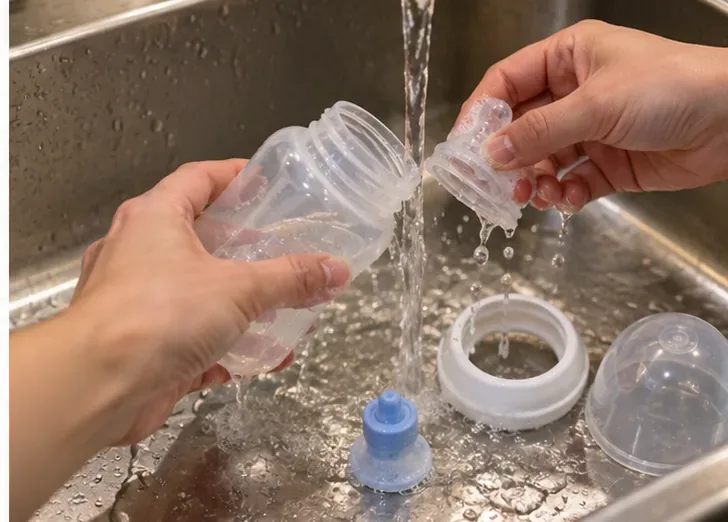
Learn a safe, practical way to hand-wash bottles and feeding equipment while traveling, including rinsing, air-drying, sanitizing, and safe-water tips.
Learn how to track a baby’s wet diapers, feeds, urine changes, and warning signs—and when a drop in output needs prompt medical advice.
Keep your baby comfortable in a simple Halloween costume, take a few quick photos, and follow practical guidance for warmth, car seats, and safe sleep.
Discover the key signs of newborn fast breathing, learn how to identify pneumonia risks, and explore effective solutions for infant respiratory health. Stay informed about your baby
Discover the best cooking oils for 6-month-old babies to ensure proper nutrition and development. Learn why fats are essential, how to use them, and which oils are most beneficial for your baby’s health.
Discover essential baby development milestones from 3 to 6 months old. Learn how to support your baby’s growth with expert tips and activities for better bonding and development.