Infants with hypoglycemia: Be careful not to risk!

Not only adults, babies and children are also at risk for hypoglycemia. And this condition can cause health complications for your baby's health, possibly even brain damage

Like adults, hypoglycemia in babies and children also occurs when a baby's blood sugar is lower than normal. If not treated in time, this can cause serious damage to the baby's brain. However, most mothers do not notice or ignore hypoglycemia in their newborn babies.

Infants with hypoglycemia: Be careful not to risk!

Hypoglycemia can have a devastating effect on a child's nervous system if it is not treated promptly

1 / Why do babies have hypoglycemia?


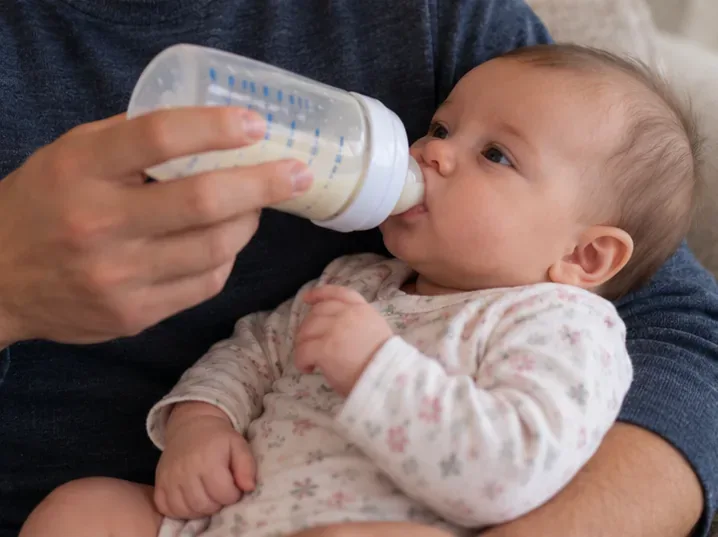
During the first few hours after birth, your baby's blood sugar tends to drop. However, most of these cases are not dangerous. Babies can maintain their body's sugar levels through breastfeeding.


Babies whose mothers have gestational diabetes often have higher insulin levels at birth, which affect their baby's blood sugar. In addition, premature babies, children with sudden hypothermia, and infections are also at risk of hypoglycemia.

2 / Signs of hypoglycemia in children

In a newborn baby, symptoms of hypoglycemia will appear 3-48 hours after birth, including the following signs:

- Rapid drop in body temperature, pale skin, cyanosis, cold hands and feet

Gastrointestinal symptoms such as abdominal pain, vomiting, hunger, irritability

- Rapid, rapid, and strong breathing

- In severe cases, there may be convulsions, coma

41% of neonatal hypoglycemia usually occurs in preterm infants, with a low birth weight of less than 2.5 kg. According to experts, the disease can cause serious effects on the child's nerves in the future. Therefore, newborn babies should be promptly diagnosed and treated.

3 / Children with hypoglycemia, how to handle?

- For premature babies or low birth weight babies, mothers need to breastfeed early and skin-to-skin contact immediately after birth. In more severe cases, your baby will be prescribed a liquid glucose infusion.

- Older children, when detecting signs of hypoglycemia, should be breastfed immediately. For babies who often suffer from hypoglycemia, mothers should feed their children many meals. Avoid leaving your baby hungry for a long time.


Infants with hypoglycemia: Be careful not to risk!

Care for low birth weight babies For premature babies, due to poor digestive function and body temperature regulation, immature lungs, susceptible to respiratory failure, atelectasis, pulmonary hemorrhage, endothelial disease ... Malnourished children in the uterus are often at risk of hypoglycemia due to lack of glucose stores




Leave a Comment

Why Diaper Rash Improves, Then Comes Back: Causes and Next Steps

Why Diaper Rash Improves, Then Comes Back: Causes and Next Steps

Recurring diaper rash may be linked to ongoing irritation, diarrhea, yeast, product sensitivity, or another skin condition. Learn what to track and when to call the pediatrician.

How to Clean Baby Feeding Equipment While Traveling Without a Dishwasher

How to Clean Baby Feeding Equipment While Traveling Without a Dishwasher

Learn a safe, practical way to hand-wash bottles and feeding equipment while traveling, including rinsing, air-drying, sanitizing, and safe-water tips.

What Should Parents Track When a Baby Has Fewer Wet Diapers?

What Should Parents Track When a Baby Has Fewer Wet Diapers?

Learn how to track a baby’s wet diapers, feeds, urine changes, and warning signs—and when a drop in output needs prompt medical advice.

Baby’s First Halloween: Comfortable Costumes and Short Photo Sessions

Baby’s First Halloween: Comfortable Costumes and Short Photo Sessions

Keep your baby comfortable in a simple Halloween costume, take a few quick photos, and follow practical guidance for warmth, car seats, and safe sleep.

Newborn fast breathing, is pneumonia visiting?

Newborn fast breathing, is pneumonia visiting?

Discover the key signs of newborn fast breathing, learn how to identify pneumonia risks, and explore effective solutions for infant respiratory health. Stay informed about your baby

Cooking oils for children 6 months old mothers should choose when children eat solids

Cooking oils for children 6 months old mothers should choose when children eat solids

Discover the best cooking oils for 6-month-old babies to ensure proper nutrition and development. Learn why fats are essential, how to use them, and which oils are most beneficial for your baby’s health.

Baby development from 3 to 6 months old

Baby development from 3 to 6 months old

Discover essential baby development milestones from 3 to 6 months old. Learn how to support your baby’s growth with expert tips and activities for better bonding and development.

Cradle ceremony for the baby, why is it so round?

Cradle ceremony for the baby, why is it so round?

Discover the significance of the cradle ceremony for your baby’s first birthday. Learn how to prepare the perfect offering trays, organize the event, and create lasting memories. Explore the traditions and modern practices for a meaningful celebration.

Compare the benefits of Glenn Doman method

Compare the benefits of Glenn Doman method

Discover the Glenn Doman method, a revolutionary early childhood education approach that enhances children

Breastfeeding: The baby has a thrush

Breastfeeding: The baby has a thrush

Learn about thrush in breastfeeding babies, its causes, symptoms, and effective treatments. Discover how to prevent and manage fungal infections for both mother and baby.