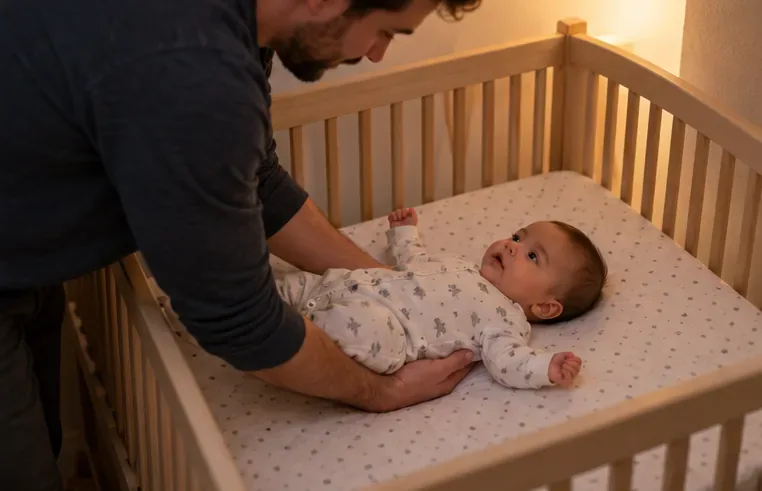
Tummy exercises for babies not only create favorable conditions for the development of muscles and senses but also prevent flat heads and are very good for the baby's stomach.
content
1 / Benefits of giving babies tummy
2 / How should the child lie on his stomach?
3 / How to maintain excitement for children when tummy practice?
Experts recommend that mothers should not let babies lie on their backs for long after their baby is born because it will accidentally make the baby's head flattened and muscles slow down. Instead, around the time the baby is awake, the mother should practice tummy (lying on the belly) for the baby. So how is tummy practice beneficial for children? How to do this? Please refer to the information below with MarryBaby.
1 / Benefits of giving babies tummy

![Amazing benefits of tummy exercises for babies]()
![Amazing benefits of tummy exercises for babies]()
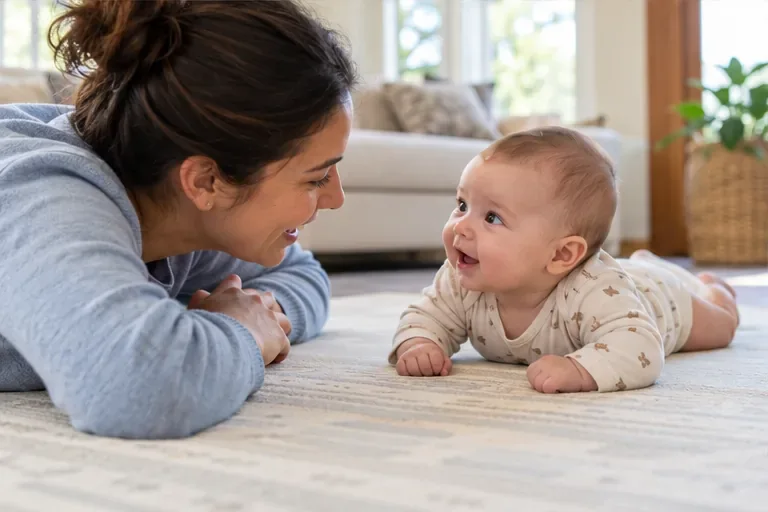
The laying on the stomach will help the child's neck muscles, arms, shoulders, upper back, and even skull develop healthy. This exercise is also a preparatory step, positively supporting more difficult movements such as pulling, crawling, and getting up in the future. Mom can practice baby tummy as soon as possible, like an active game every day. The first weeks, each time to practice baby 1-2 minutes and 2-3 times / day at different times. After that, you can increase your baby's training time to 10-15 minutes / day. Baby should lay on his back when sleeping and tummy when playing. When babies lie on their backs too much when sleeping, the head is always placed in a single position, which can lead to a distorted, flat head. Letting the baby practice lying on the belly will limit this risk.
2 / How should the child lie on his stomach?
![Amazing benefits of tummy exercises for babies]()
![Amazing benefits of tummy exercises for babies]()
![Amazing benefits of tummy exercises for babies]()
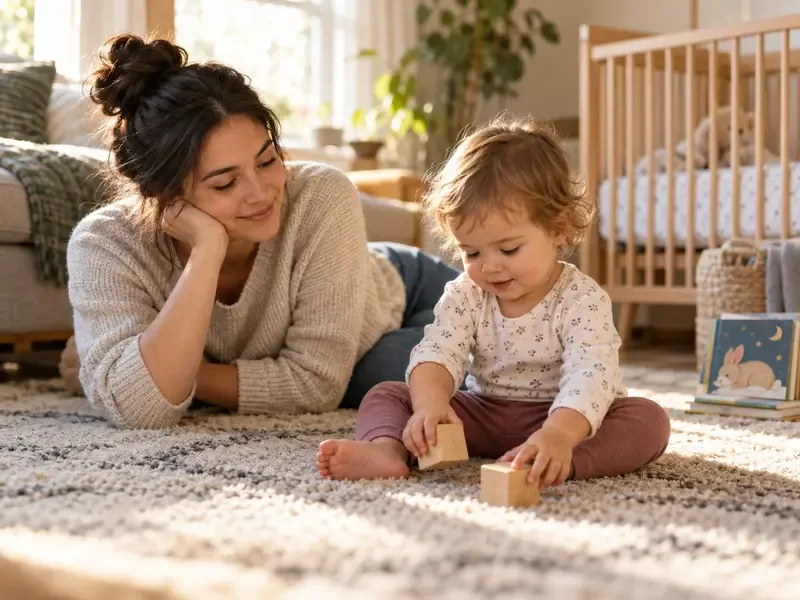
Place safe toys near children, so that they lie on their tummy and facing the toy. This approach stimulates children to move closer to the toys by moving their legs, arms and stomach to swing, crawling and lifting and turning their heads. The mother can also lie on her stomach next to it, opening colored comic pages colorful to attract young eyes. This method maintains the excitement of the baby. Children will move their neck and eyes to see clear pages. Place a mirror in front of your baby so he can see his reflection. Moms can also change play locations like having your baby lie on his stomach on a clean rug in a clean, cool outdoor area.
3 / How to maintain excitement for children when tummy practice?
![Amazing benefits of tummy exercises for babies]()
![Amazing benefits of tummy exercises for babies]()
![Amazing benefits of tummy exercises for babies]()
Children also find it more enjoyable to move in a new position when hearing sounds at the same time. Let your baby always know that the mother is always there, you can sing to her and do activities that make her excited like rubbing her back, tickling her hands, ... In addition to placing the baby on his stomach on the floor, she should also try for the baby. Lie on your stomach on your lap, on a pillow or on a rolled up towel. Sway or gently shake and sing, rub the baby's back to make them excited to continue with the exercise next time In case sharp and angular objects can hurt your baby, you should clean the house first when laying the mat for your baby to practice lying on his stomach. In particular, always observe your baby during the time he practices tummy.
![Amazing benefits of tummy exercises for babies]()
Tummy is better for children? According to experts, babies who do not go through their tummy stage will often develop motor skills more slowly. Because during the tummy, the baby will learn how to lean forward, roll back and forth, lift hands, crawl and sit up.
>>> See more discussions with related topics:
Benefits of giving babies tummy after birth_ mothers already know
Is your baby's tummy worrying?