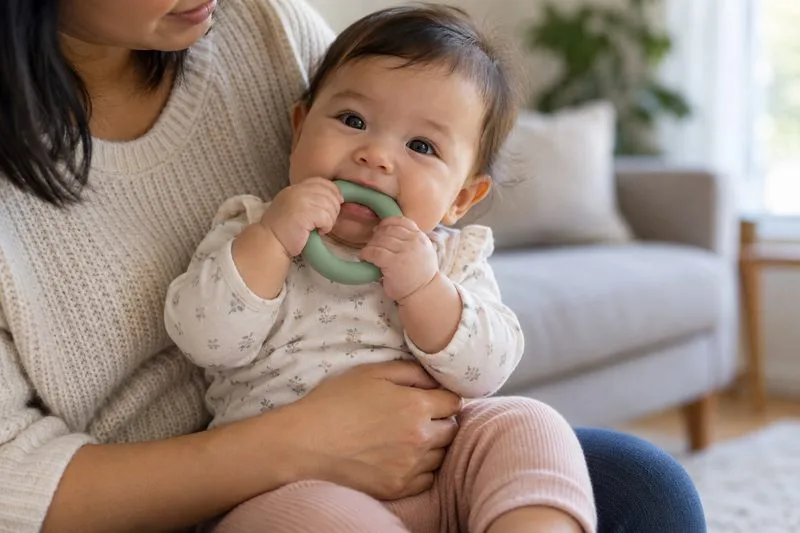
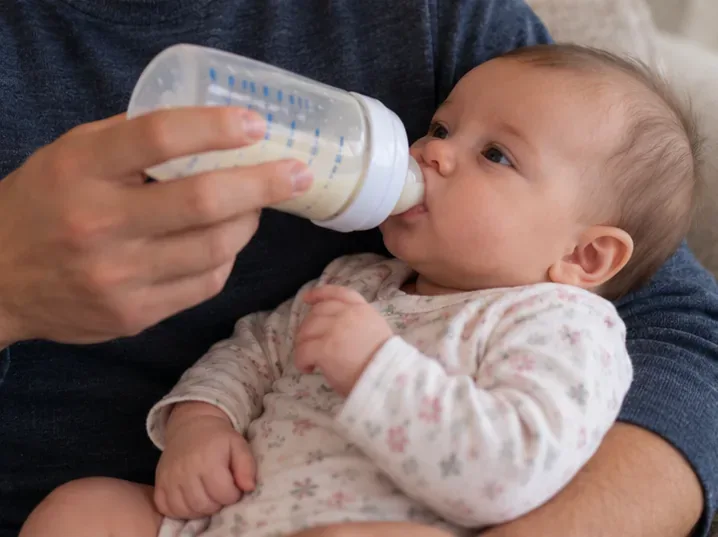
Iodine is one of the important nutrients needed for hormone synthesis that affects the development of the central nervous system, the development of the genitals and other vital organs such as the heart. pulse, digestion, skin, hair, hair ... Although being aware of the importance of iodine, not all mothers know how to properly supplement their children with iodine.

Salt is not the only way mothers can get iodine for their babies
1 / The role of iodine in children's development
- Maintain metabolism and energy of the body. Iodine deficiency is one of the causes of impaired function of some organs in the body, affecting the basic activities to maintain life.
- As a micronutrient to support the functioning of the thyroid gland, iodine has a serious impact on the development of the child's skeletal system, gender and height . Iodine deficiency can cause the child's body to develop abnormally, due to a lack of thyroid hormones.
- For babies and young children, the addition of iodine in your baby's diet every day is very important. Iodine deficiency will affect the production of thyroid hormones, thereby affecting the brain development of the child, affecting the intelligence of the baby in the later stages.
![Add iodine to a smart baby's diet]()
Child's height: How is the standard to develop? Child's height develops differently through each stage. Therefore, the way to care for children also needs to change from time to time. Mother need to prepare what?
2 / Children with iodine deficiency, how to recognize?
Being short, underweight and having frequent hair loss are typical signs that your baby is lacking iodine in his daily diet. From 5 years of age or older, iodine deficiency is accompanied by signs such as poor concentration, forgetfulness, lack of clarity or signs of mental retardation compared to peers. If you notice these conditions, the mother should take the baby to see the doctor to be examined and advised properly.
3 / Nutrition for the baby: How to supplement with iodine?
Referring to iodine, most mothers immediately think of iodized salt without knowing that iodine also exists in many other natural foods.
For babies aged 0-6 months, exclusive breastfeeding is an easy way to add iodine to your baby.
- Children who eat weaning and older children need to get iodine from everyday food sources such as seaweed, cheese, seafood, eggs, meat, vegetables ... However, due to the amount of iodine in food The product is very volatile during processing, so every day, mothers should supplement their baby with a moderate amount of iodine through iodized salt to ensure the needs of the baby.
Age Amount of iodine needed for your baby
Children aged 0-6 months
Children aged 7-12 months
Children from 1-8 years old
- Children 9-13 years old
Children from 14-18 years old
110 mcg / day
130 mcg / day
90 mcg / day
120 mcg / day
150 mcg / day
Iodine needs according to the child's age
4 / Iodine content in some foods
Foods The iodine content in 100 grams of food
Spinach
Celery
Sea fish
Table salt contains iodine
Cabbage
Egg
Shrimp
Tuna
Baked potato
Strawberry
Cheese
164 mcg
160 mcg
80 mcg
7,600 mcg
9.8 mcg
9.7 mcg
35 mcg
17 mcg
60 mcg
13 mcg
12 mcg
>>> See more discussions with related topics:
Choose foods that are good for your baby
Nutrition for your baby