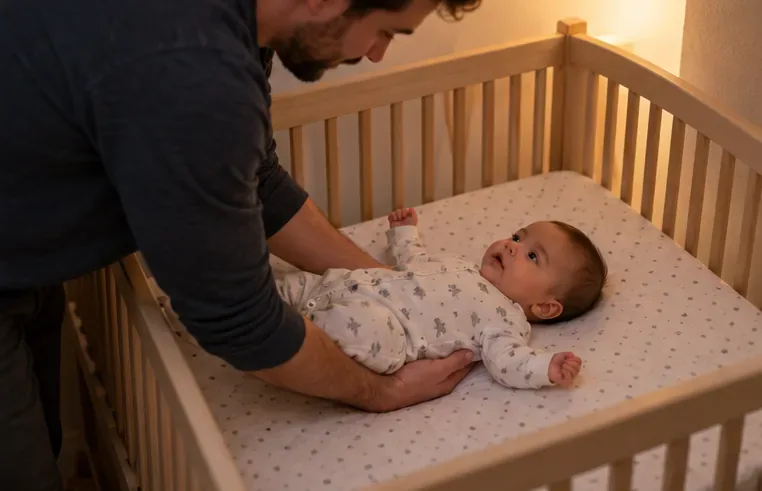
Although not included in the program of free expanded vaccination and the price is not cheap, the 6-in-1 vaccine is always "expensive" and is chosen by many mothers.
content
When should 6 in 1 vaccination be given to my baby?
Where is the 6-in-1 vaccine injected into the baby's body?
How long are the injections spaced?
How safe is 6 in 1 vaccine?
Can the 6-in-1 vaccine be given with other vaccines?
Which child should not get the 6-in-1 vaccine?
What if I miss the 6-in-1 vaccination time?
What should a child with a fever when getting the 6 in 1 vaccine?
Additional "amount of antibodies" needed for babies right after birth by vaccination on time, the ability to protect babies' bodies and babies is over 90%.
When should 6 in 1 vaccination be given to my baby?
Similar to the 5-in-1 vaccination period, the 6-in-1 vaccine is also given to infants at 8, 12 and 16 weeks of age. The mother needs to make sure the ticket is given 3 doses to ensure the development of immunity and protect the baby from 6 diseases:
Diphtheria
Whooping cough
Tetanus
Hepatitis B
Disabled
Hib
Each vaccinated vaccination gets vaccinated with a stronger infant's immune system .

The first 6-in-1 injection starts at 8 weeks of age
Where is the 6-in-1 vaccine injected into the baby's body?
The vaccine is injected into the baby's thigh.
How long are the injections spaced?
The three primary doses are given at least 28 days apart and the first shot at 2 months of age. The injection schedule can fluctuate depending on the reality (sick child, out of medicine ...), may be a bit slower with the plan, but should not be too late because waiting for the medicine. An outbreak can occur at any time of the year.
How safe is 6 in 1 vaccine?
The pertussis ingredient in the 6-in-1 vaccine is vacuole, so it is safe, has less fever and side effects than the whooping cough vaccines, which are whole cell types.
The vaccine also has few side effects, although it often feels uncomfortable after the shot. There may also be slight redness and swelling at the injection site.
The brand name of the 6-in-1 vaccine is Infanrix hexa (DtaP / IPV / Hib / HepB).
Can the 6-in-1 vaccine be given with other vaccines?
Infants can safely get the 6-in-1 vaccine at the same time as other vaccines, such as the rotavirus vaccine, pneumococcal vaccine, and Men B vaccine.
Which child should not get the 6-in-1 vaccine?
Most babies can get the 6-in-1 vaccine, but a few should not. Eg:
Children are allergic to vaccines
Have a high fever at the time of injection
Have signs of neurological abnormalities, including uncontrolled epilepsy
Children who have had a severe allergic reaction (anaphylaxis) should not be vaccinated to previous doses of the vaccine or have responded to any part of the vaccine, such as neomycin, streptomycin, or polymixin B.
There is no need to delay your baby's vaccination if he has only a mild illness, such as a cough or cold without a fever. But if the baby has a fever, it is best to stop the vaccination until fully recovered.
For children with abnormal neurological signs during vaccination, it is necessary to consult a specialist. If your child has a history of numerical seizures or has had anaphylaxis within 72 hours of a previous vaccination, talk to your doctor or nurse for advice.
What if I miss the 6-in-1 vaccination time?
It is best for children to be vaccinated at the recommended age, as they are protected from serious diseases as soon as possible.
But don't worry if your child misses a point on the 6 in 1 vaccination schedule. It's never too late to get the shot. Make an appointment with your doctor or local children's health clinic to make the most reasonable time.
What should a child with a fever when getting the 6 in 1 vaccine?
Whether it is the first shot of the vaccine or the booster shot the mother should keep the child in follow-up for about 30 minutes, should not let the child leave immediately to prevent anaphylaxis.
![8 questions for the 6-in-1 vaccination to be effective in integrity]()
After vaccination, any injection should be kept for 30 minutes at the health center
When detecting a baby's body heat up, especially the forehead area, the best thing that parents need to do now is the baby's temperature to monitor the temperature. If the baby has a mild fever below 38.5 degrees C, mothers only need to use a warm towel to wipe the baby. At the same time, children should lie in a cool place, wear loose, comfortable clothes.
If the baby has a high fever of 39 or more poisonous C, the mother should give him fever-reducing medicine with cool wipe. Your baby may also experience redness at the injection site for a few days, but this is a normal response and usually goes away on its own. For children under three months of age, it is necessary to consult a doctor before using fever-reducing medicines. If there is instruction, give the baby medicine.
When the baby has a fever, they can lose water and electrolytes, so the mother needs to let the baby drink enough fluids and breastfeed many times a day. For weaned children, Oresol can be given or fed with dilute salt porridge.
![8 questions for the 6-in-1 vaccination to be effective in integrity]()
Children with a fever should eat and drink? For young children, when they have a fever for a long time, the body will be weakened, tired, leading to anorexia, so it is more difficult to recover. So what should babies eat to quickly overcome? Mother please add the following foods to the daily diet, to help your baby "fight" the annoyance and drowsiness brought by fever!
As advised by the World Health Organization, no vaccines are absolutely safe, including the 6 in1 vaccine. Reactions after injection can be mild, moderate, and severe. The reaction can be systemic or at the vaccination site and specific to each vaccine. However, serious reactions are very rare. Depending on needs, mothers can choose 5 in 1 or 6 in 1 vaccine.