How Two Caregivers Can Follow the Same Baby Sleep Routine

Help two caregivers share a calm, flexible baby sleep routine with a clear handoff, age-aware steps, and the same safe-sleep finish.
Being a father is like taking part in a long race. Throughout life, father and son will go through many different stages together
There are many factors that prove that fatherhood is a long-distance race: it needs resilience, strategic thinking, proper adjustments along the way, support and encouragement from those around you. and reference milestones for performance evaluation. For example, during the first three stages of life that a father and child go through together, namely before the children reach adolescence, bringing up the children to grow up healthy is paramount. And in the adolescent stage, the resolution of the crisis is the first factor that needs to be concerned. Additionally, a father's satisfaction level will develop over a six-stage process as shown below.
Stage 1: Connecting - This begins when you learn you are about to be a father and lasts through the first two years of your child's life . During this stage, you will need to adapt yourself to your new roles and responsibilities as well as capture the great favors and responsibility of becoming a father. This is the period when father and child will become more intimate from a new place, as if welcoming a new friend into their own world.
Stage 2: Idealism - This phase happens before the child reaches school age. At this time, the child's needs are mainly in the physical perspective and gradually building relationships. This is the time when you and your father are both giving priority to tightening love. You will find yourself excited about the new role.

The pre-school period is a time when you and your father will experience many beautiful memories together
Stage 3: Understanding - This is when your little baby starts school. Relationships are widened, and their physical dexterity increases, making children more competitive. This phase will last throughout the teenage years.

80 "Truth" immutable for all fathers You - a real father, is worried about what he is about to face when the new member is about to "naturalize" into the house. Do not worried! The long list is a collection of 80 tips and tricks, do's and don'ts, must-try and skip for every stage ...
Stage 4: Awake - This is probably the stage when fathers will get angry most easily. Children begin to seek for themselves a place and show independence. External factors will begin to obscure the role of father in a child's life. This is the period between father and child that most often have conflicts, quarrels and anger. And if you yourself are in the middle of middle age self-correction, this becomes even more difficult.
Stage 5: Reflection - This is when your child leaves home to go to college, go to work or get married. When a child's independent lifestyle is revealed, you begin to think about your effects on your children and what you might have failed.
Stage 6: Next generation - This is the last stage when you become a grandfather / grandfather. At this point, the father-son relationship has matured and is almost like a friendship. You will be fully aware of your effects on your children and will tend to want to participate in their lives. And at this point you will realize that being a father is the biggest role you have ever played in your life.
Help two caregivers share a calm, flexible baby sleep routine with a clear handoff, age-aware steps, and the same safe-sleep finish.
Face or ear rubbing can accompany tiredness, but it is not a diagnosis. Learn common explanations, what to watch for, and when to call the pediatrician.
Babies may scoot backward as they learn to coordinate their arms and legs. Learn what is common, how to encourage safe floor play, and when to ask a pediatrician.
Recurring diaper rash may be linked to ongoing irritation, diarrhea, yeast, product sensitivity, or another skin condition. Learn what to track and when to call the pediatrician.
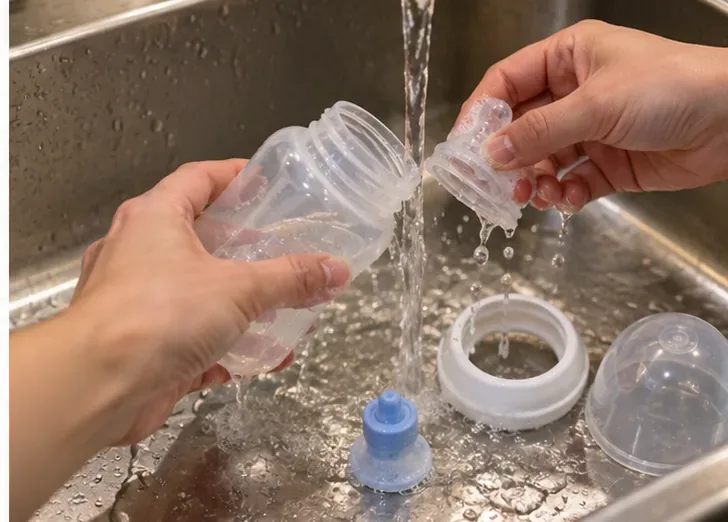
Learn a safe, practical way to hand-wash bottles and feeding equipment while traveling, including rinsing, air-drying, sanitizing, and safe-water tips.
Learn how to track a baby’s wet diapers, feeds, urine changes, and warning signs—and when a drop in output needs prompt medical advice.
Keep your baby comfortable in a simple Halloween costume, take a few quick photos, and follow practical guidance for warmth, car seats, and safe sleep.
Discover the key signs of newborn fast breathing, learn how to identify pneumonia risks, and explore effective solutions for infant respiratory health. Stay informed about your baby
Discover the best cooking oils for 6-month-old babies to ensure proper nutrition and development. Learn why fats are essential, how to use them, and which oils are most beneficial for your baby’s health.
Discover essential baby development milestones from 3 to 6 months old. Learn how to support your baby’s growth with expert tips and activities for better bonding and development.