How to Introduce a Bottle When a Breastfed Baby Refuses It
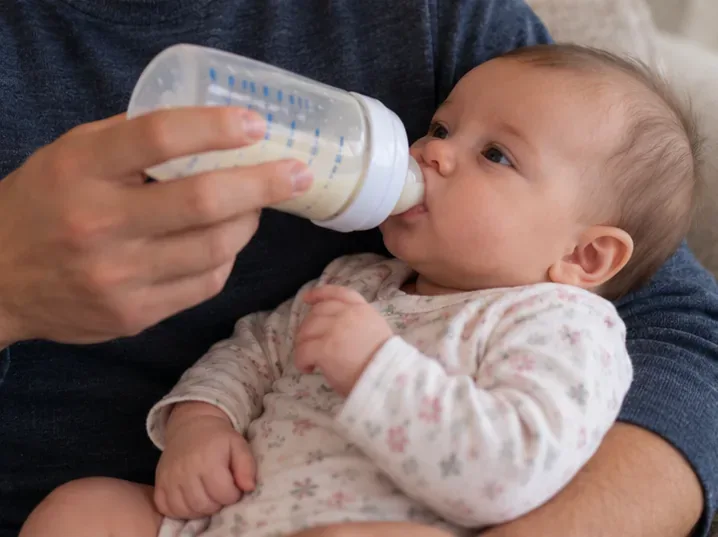
A practical guide to bottle refusal in breastfed babies: compare timing, caregiver, nipple flow, milk temperature, paced feeding, and when to get help.
Positive, scientific punishment will bring results faster than unreasonable whips or painful scolding that will go nowhere.
content
When your baby doesn't want to share toys
I beat or bit anyone when I didn't get it
Positive punishment is to focus on good points in the child's behavior instead of yelling or scolding, making the child more stubborn. Parents who support this discipline approach believe good behavior can be reinforced in a positive, encouraging way.
Your child also learns how to better solve problems and handle situations. But note that this solution can not be effective immediately, it takes time, patience and consistency between the couple.
Tell her it's okay if she's not ready to share that particular favorite toy. Some toys are more important than others, so learn how important toys are to children. And see if there are other "less important" toys that your child can share and encourage from there.
A parent who uses positive discipline will also be a good example of good behavior. Nurture a culture of sharing in your daily life and your baby will follow.
Develop a positive routine with a fixed sequence of typical bedtime routines. Praise your baby for every step of the routine.

Babies do not want to go to bed give them more limited time
Find out why your baby doesn't want to sleep. For example, if she wants to play, you can let her do it, but specify a time limit. For example, set a five-minute timer and say when the clock rings, play time is over and your baby will have to go to bed. Make sure your kids agree to this compromise.
There may be other reasons why your baby may not want to sleep, for example eating too many sweets that make them feel upset.
Find out why your child bites - is he angry or scared? And then describe the behavior or use appropriate language to help the child express feelings of disagreement.
For example, you could teach your child to say “no”, call the teacher or go outside rather than bite or hit you. One sign of positive discipline is also helping children understand the feeling of being hit or being rooted by someone.
A good way to do this is through reading and storytelling. As you read the story, help your child understand how the different characters might feel through each situation.
A practical guide to bottle refusal in breastfed babies: compare timing, caregiver, nipple flow, milk temperature, paced feeding, and when to get help.
Help two caregivers share a calm, flexible baby sleep routine with a clear handoff, age-aware steps, and the same safe-sleep finish.
Face or ear rubbing can accompany tiredness, but it is not a diagnosis. Learn common explanations, what to watch for, and when to call the pediatrician.
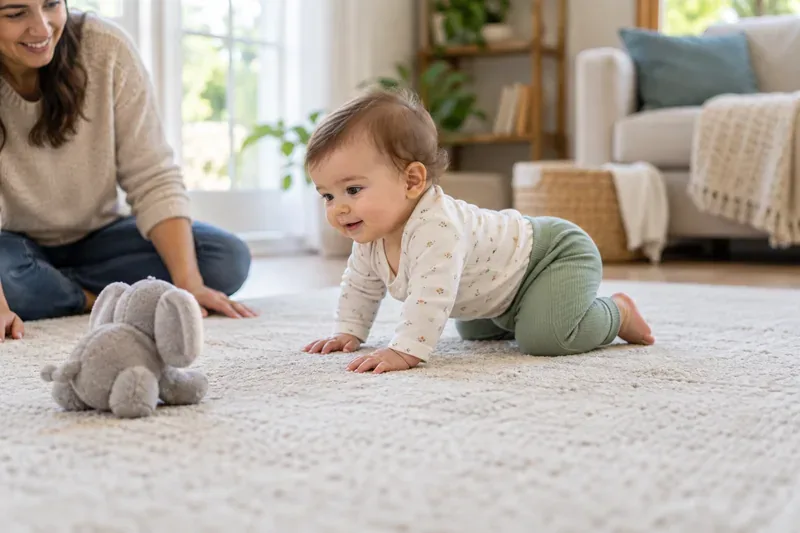
Babies may scoot backward as they learn to coordinate their arms and legs. Learn what is common, how to encourage safe floor play, and when to ask a pediatrician.
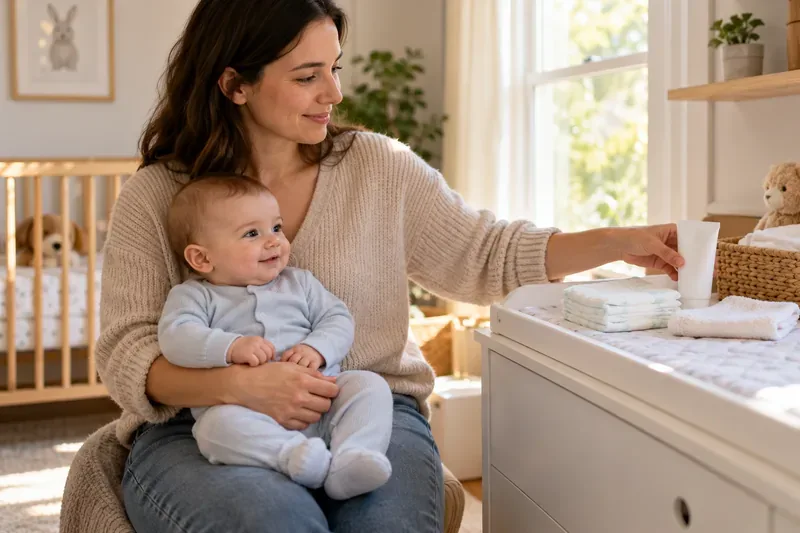
Recurring diaper rash may be linked to ongoing irritation, diarrhea, yeast, product sensitivity, or another skin condition. Learn what to track and when to call the pediatrician.
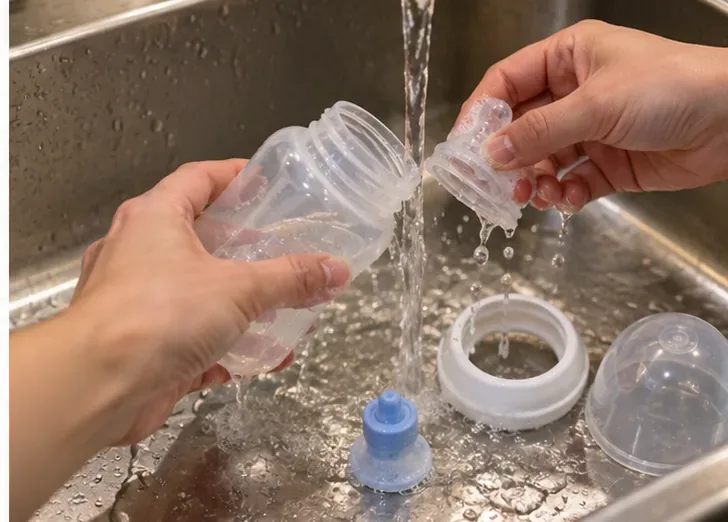
Learn a safe, practical way to hand-wash bottles and feeding equipment while traveling, including rinsing, air-drying, sanitizing, and safe-water tips.
Learn how to track a baby’s wet diapers, feeds, urine changes, and warning signs—and when a drop in output needs prompt medical advice.
Keep your baby comfortable in a simple Halloween costume, take a few quick photos, and follow practical guidance for warmth, car seats, and safe sleep.
Discover the key signs of newborn fast breathing, learn how to identify pneumonia risks, and explore effective solutions for infant respiratory health. Stay informed about your baby
Discover the best cooking oils for 6-month-old babies to ensure proper nutrition and development. Learn why fats are essential, how to use them, and which oils are most beneficial for your baby’s health.