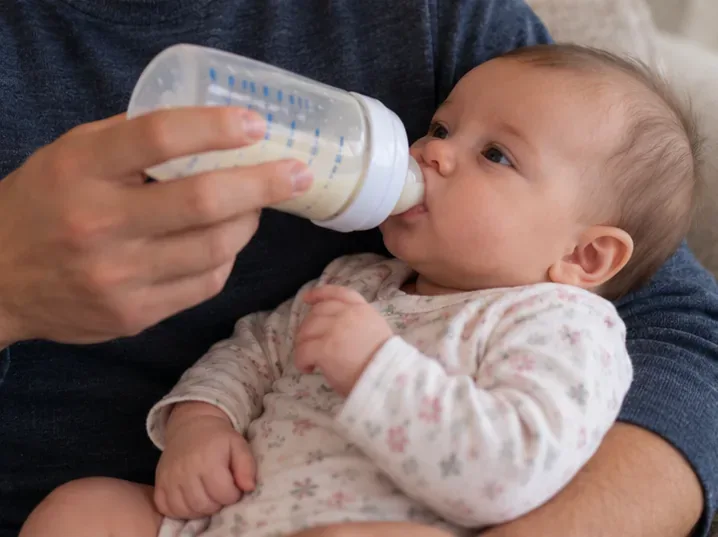
Taboos for formula milk

Taboos for formula milk

Sometimes moms can't be sure what they can do and what to avoid when giving their baby formula. If you can't remember all the cumbersome rules, you just need to make sure you avoid some of the taboos below.

Mix more water than directed

Adding more water than indicated on the product packaging will thin the milk and reduce the amount of nutrients your baby receives. Formula milk is made with vitamins, minerals and nutrients that are specific and essential to your child's development, so it is important to match exactly as directed on the packaging of the formula to ensure that Your child gets the maximum amount of nutrients.


Use the microwave to warm milk


This is something that is noted in most formula guides. Warming the bottle in the microwave can create unevenly heated portions of the milk that easily burn your baby's mouth, and at the same time heat causes the nutrients in the milk to decompose.

In most cases, if formula is left at room temperature or in a cool place, there is no need to reheat it.

If prepared formula has been stored in the refrigerator, you can heat the bottle in a pot of warm water or keep it under warm running water.

Reuse excess milk

This is not a good measure of savings at all. Bottles left over can infectious saliva from the baby, and the heating or cooling can not kill all the bacteria. Therefore, it is no use when mothers regret that the milk has not been used up. You should never use a formula bottle for more than 1 hour after your baby has consumed it. To avoid waste, the best way is to adjust the amount of milk according to the baby's feeding capacity.

Buy distorted milk cans

Do you think the packaging is not that important? The advice is never to buy any formula that has been distorted or damaged. Damaged outer protective box can affect the milk powder inside. This can lead to food poisoning. Also, always check the expiration date on each carton and do not buy products that have expired.

Change milk continuously

You should only change between different forms of the same milk. For example, if you are using a hypoallergenic formula for your baby, it is possible to alternate between formula, concentrate or ready-to-drink formula.


Leave a Comment

How Two Caregivers Can Follow the Same Baby Sleep Routine

How Two Caregivers Can Follow the Same Baby Sleep Routine

Help two caregivers share a calm, flexible baby sleep routine with a clear handoff, age-aware steps, and the same safe-sleep finish.

Why Does a Baby Rub Their Face and Ears When Tired?

Why Does a Baby Rub Their Face and Ears When Tired?

Face or ear rubbing can accompany tiredness, but it is not a diagnosis. Learn common explanations, what to watch for, and when to call the pediatrician.

Why Some Babies Crawl Backward Before Moving Forward

Why Some Babies Crawl Backward Before Moving Forward

Babies may scoot backward as they learn to coordinate their arms and legs. Learn what is common, how to encourage safe floor play, and when to ask a pediatrician.

Why Diaper Rash Improves, Then Comes Back: Causes and Next Steps

Why Diaper Rash Improves, Then Comes Back: Causes and Next Steps

Recurring diaper rash may be linked to ongoing irritation, diarrhea, yeast, product sensitivity, or another skin condition. Learn what to track and when to call the pediatrician.

How to Clean Baby Feeding Equipment While Traveling Without a Dishwasher

How to Clean Baby Feeding Equipment While Traveling Without a Dishwasher

Learn a safe, practical way to hand-wash bottles and feeding equipment while traveling, including rinsing, air-drying, sanitizing, and safe-water tips.

What Should Parents Track When a Baby Has Fewer Wet Diapers?

What Should Parents Track When a Baby Has Fewer Wet Diapers?

Learn how to track a baby’s wet diapers, feeds, urine changes, and warning signs—and when a drop in output needs prompt medical advice.

Baby’s First Halloween: Comfortable Costumes and Short Photo Sessions

Baby’s First Halloween: Comfortable Costumes and Short Photo Sessions

Keep your baby comfortable in a simple Halloween costume, take a few quick photos, and follow practical guidance for warmth, car seats, and safe sleep.

Newborn fast breathing, is pneumonia visiting?

Newborn fast breathing, is pneumonia visiting?

Discover the key signs of newborn fast breathing, learn how to identify pneumonia risks, and explore effective solutions for infant respiratory health. Stay informed about your baby

Cooking oils for children 6 months old mothers should choose when children eat solids

Cooking oils for children 6 months old mothers should choose when children eat solids

Discover the best cooking oils for 6-month-old babies to ensure proper nutrition and development. Learn why fats are essential, how to use them, and which oils are most beneficial for your baby’s health.

Baby development from 3 to 6 months old

Baby development from 3 to 6 months old

Discover essential baby development milestones from 3 to 6 months old. Learn how to support your baby’s growth with expert tips and activities for better bonding and development.