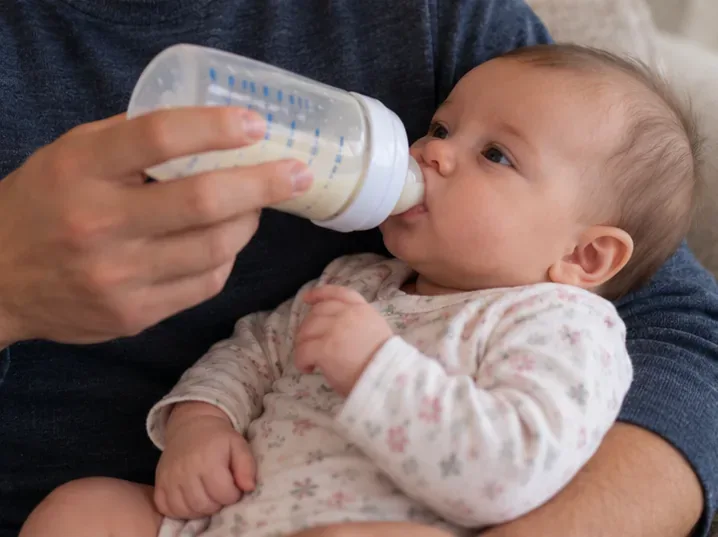
There are kids who will always refuse meat or fish and the problem of protein supplement becomes a challenge for mothers. If you are facing this difficulty, try to find yourself a solution through the suggestions below
Protein Sources
Protein or protein is an important part of a baby's diet because it provides energy, allows the body to recover from injuries and promotes the growth of muscles. The most abundant source of protein is meat and fish, but this nutrient also exists in many other foods. Even if your baby refuses to touch a grilled chicken or a tiny, fragrant aroma, do not worry too much. Legumes, nuts, sunflower seeds ... all contain protein, so do dairy products. What you need to do is to diversify your baby's meals with meat substitutes once they have refused this dish.

Legumes and seeds are rich in protein that mothers can add to their baby's diet
Protein requirements in children
The baby's food sickness can come from the fact that the mother has fed her baby more than the body needs. Protein requirement of baby from 1 to 3 years old is about 13g per day. Between the ages of 4 and 8, babies need 19g of protein per day. Between the ages of 10 and 13, the level of protein required for daily activities increases to 28g. At the age of 15, a girl needs about 46g while boys need about 52g of protein per day. Therefore, mothers can be assured that they can completely provide their children with a complete protein diet.
Add protein in an attractive way
Turning a baby's menu is also a way for mothers to improve their cooking skills and add joy every day, so don't hesitate to try the following methods.
Breakfast with eggs and milk: Eggs and milk seem to be an attractive breakfast menu for babies. You can create colorful eggs by adding vegetable broth and making the milk even more attractive with a chocolate or strawberry syrup flavor.
Creative sandwiches: Baby sandwiches are also preferred over rice or casseroles, if you make them colorful dishes with eggs, corn, sausages, vegetables and chili, cheese.
- Try beans: The pulp of the beans can become more delicious when processed into tea, soup or cake, ice cream, milk tea ... You have a lot of options, just excitedly embark on it. stop it.